The Gift That Keeps On Giving

prevacation-10-june-2010-016.jpgprevacation-10-june-2010-015.jpgprevacation-10-june-2010-014.jpgprevacation-10-june-2010-013.jpg

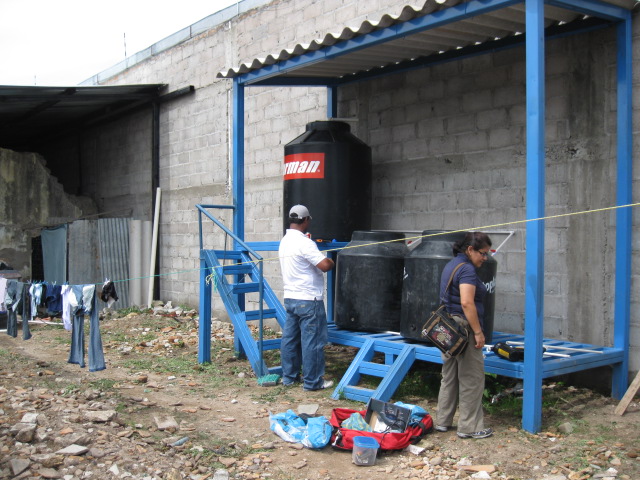
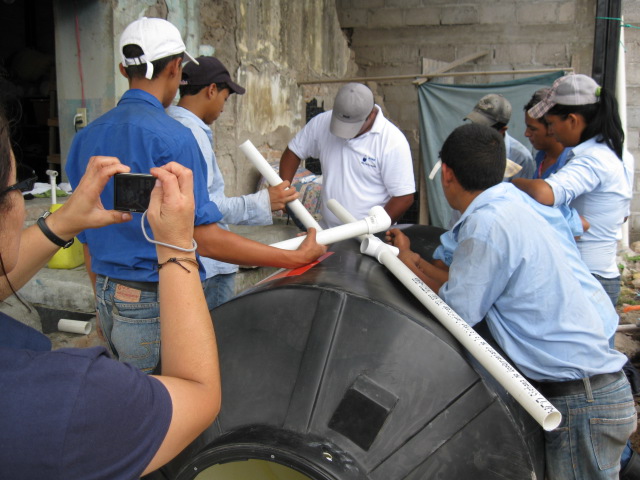
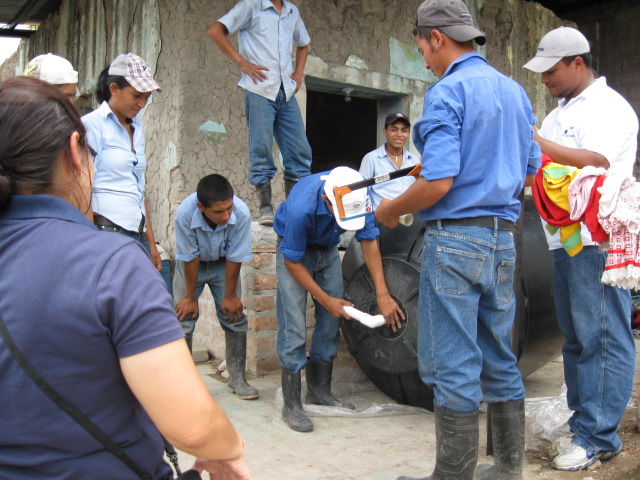
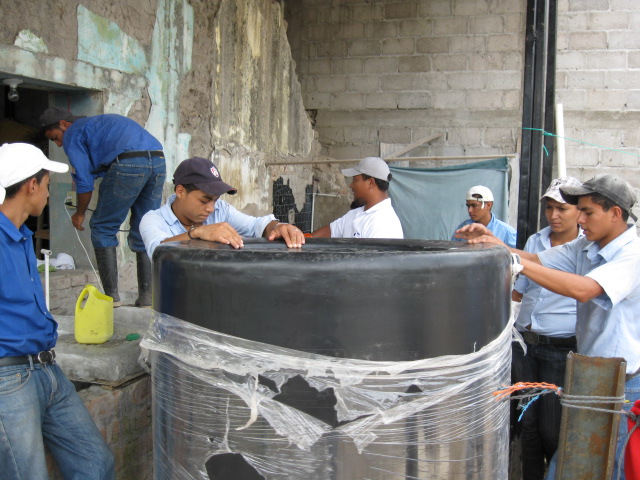
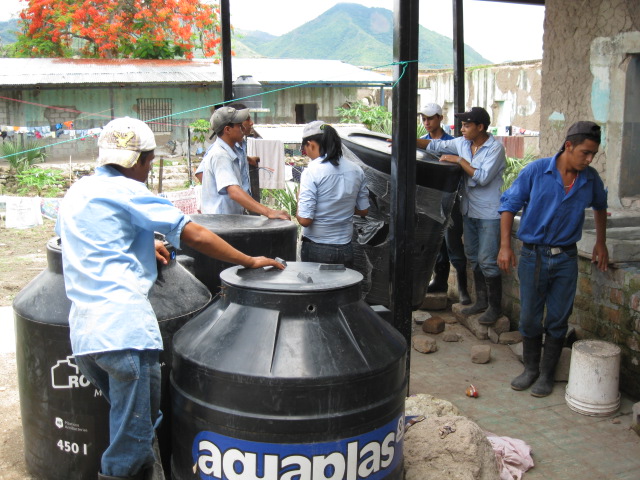
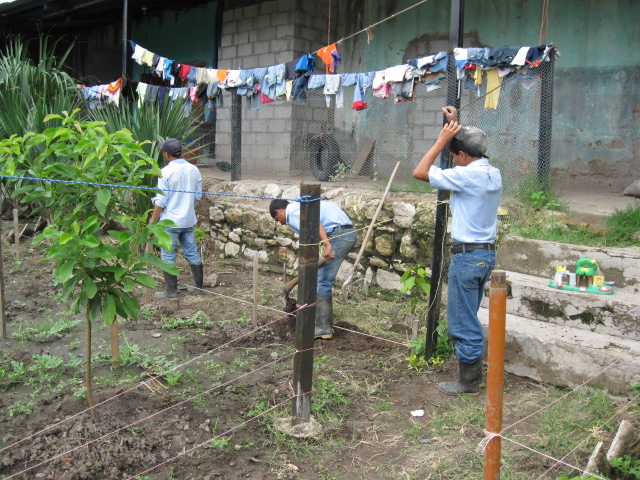
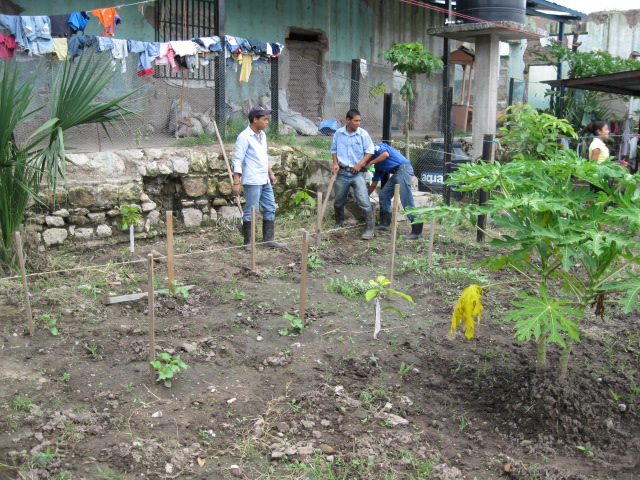
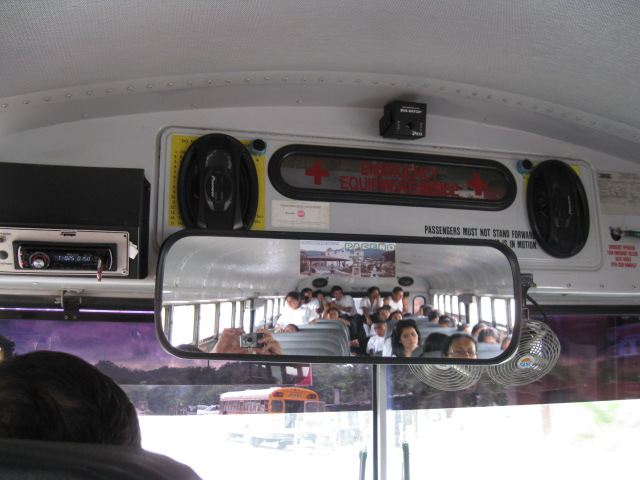
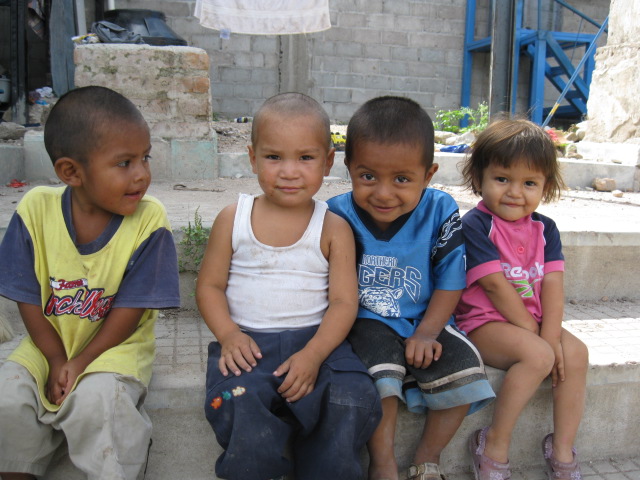
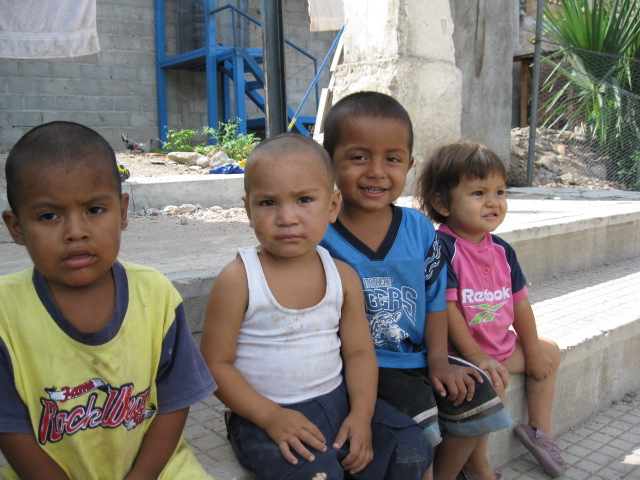
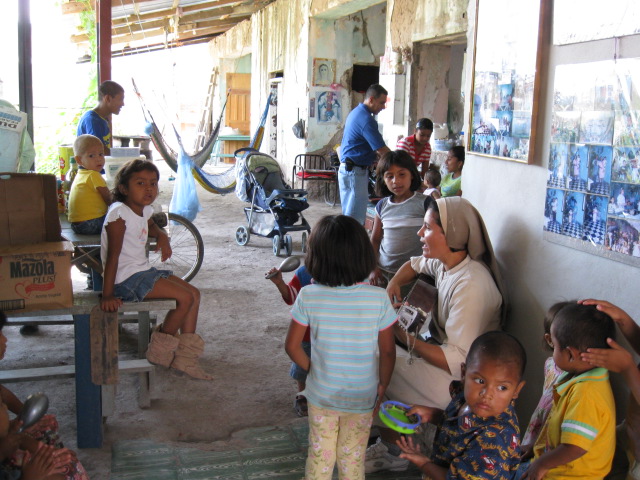
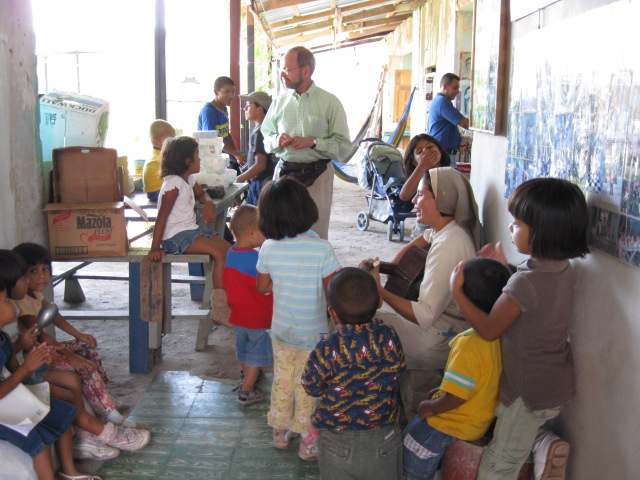
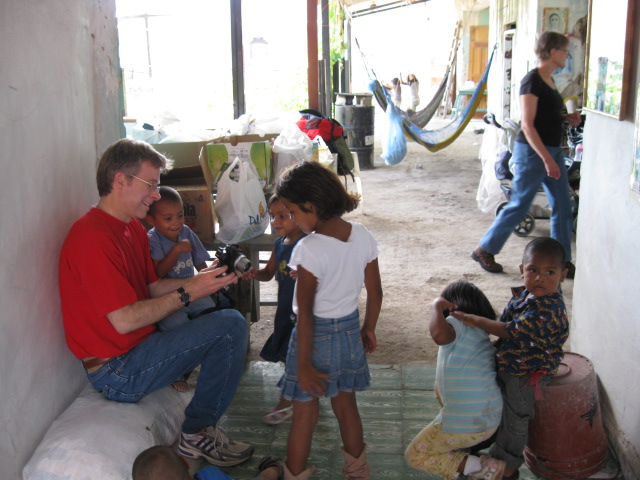
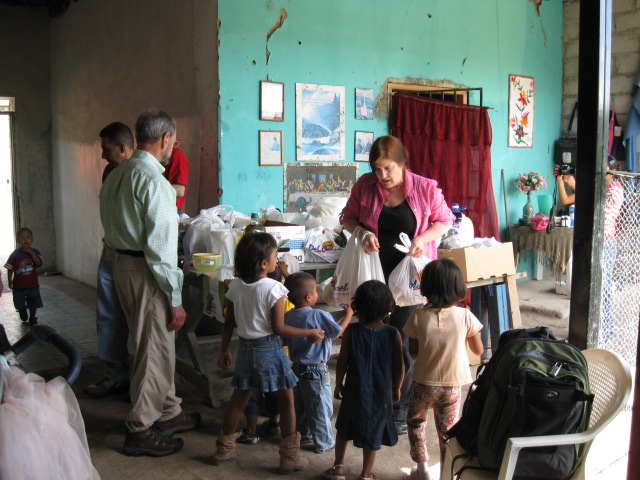
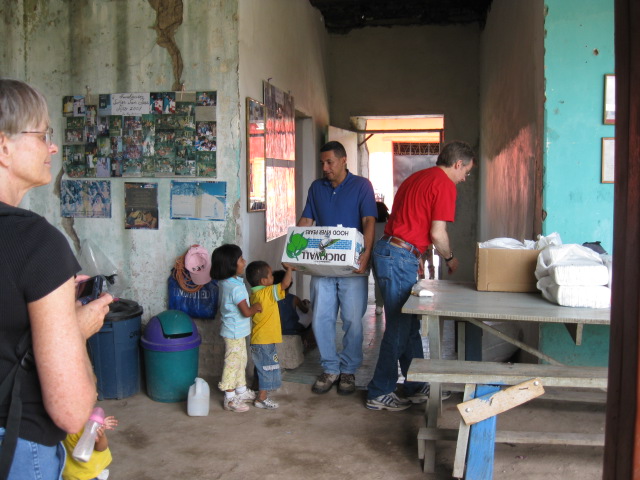
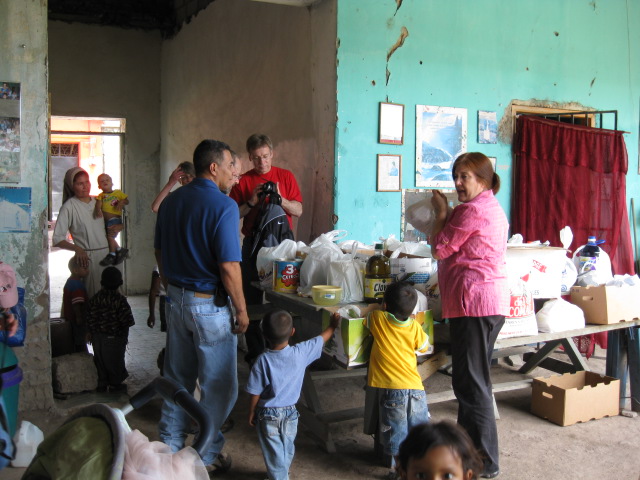
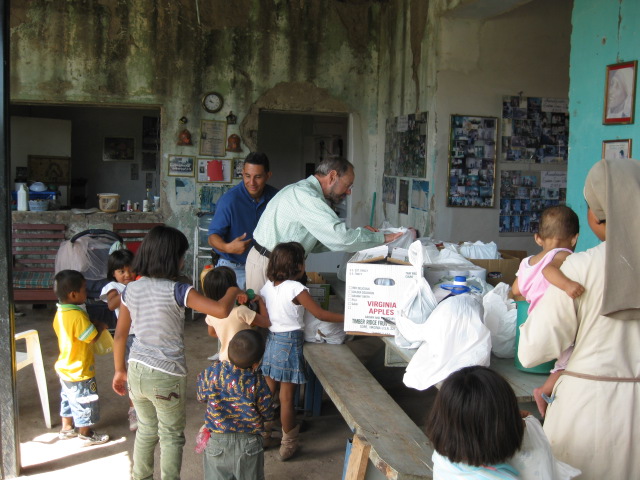
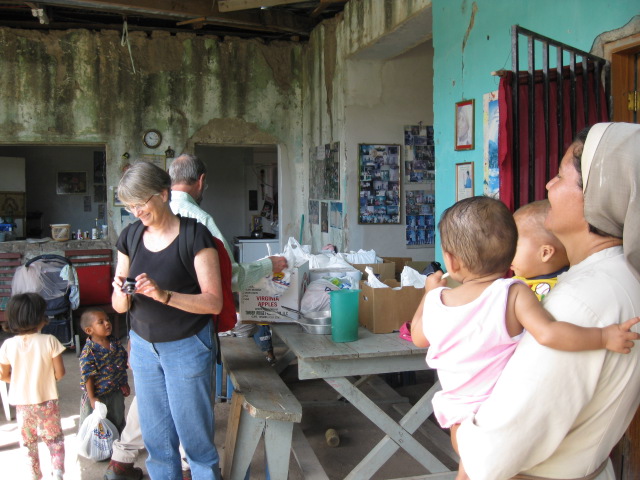
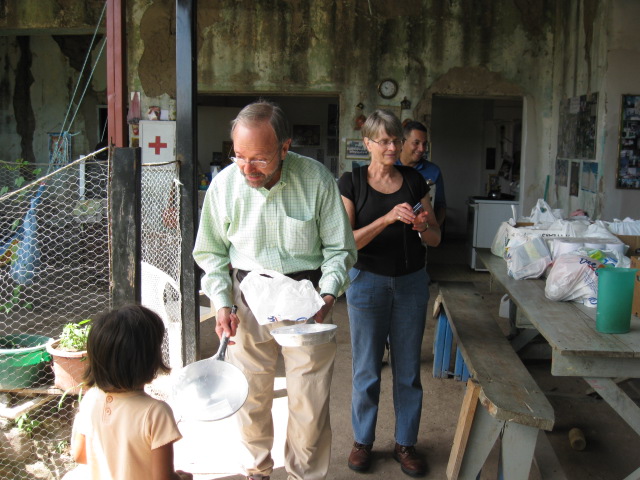
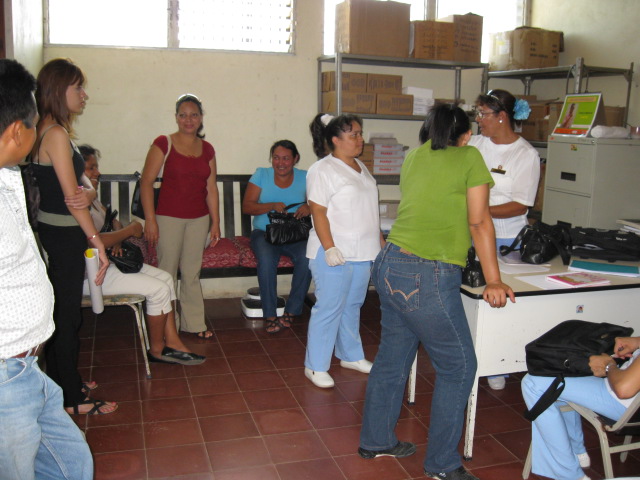
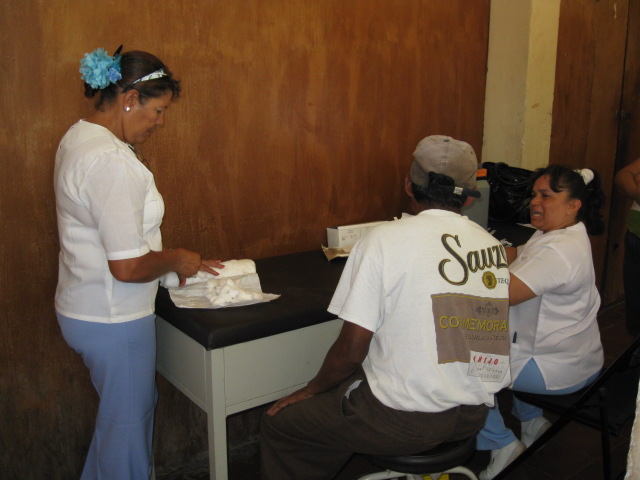
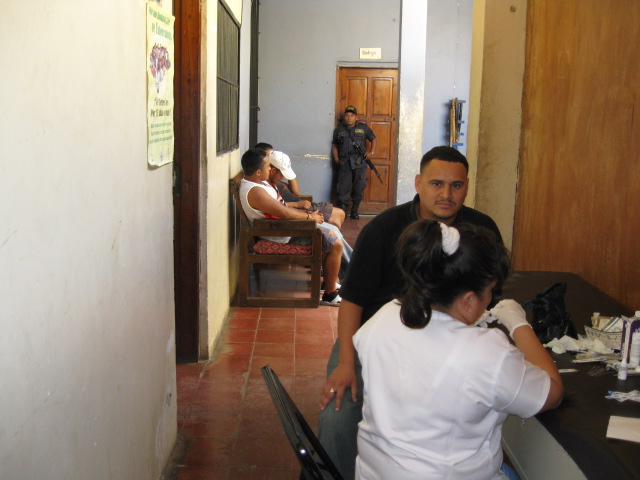
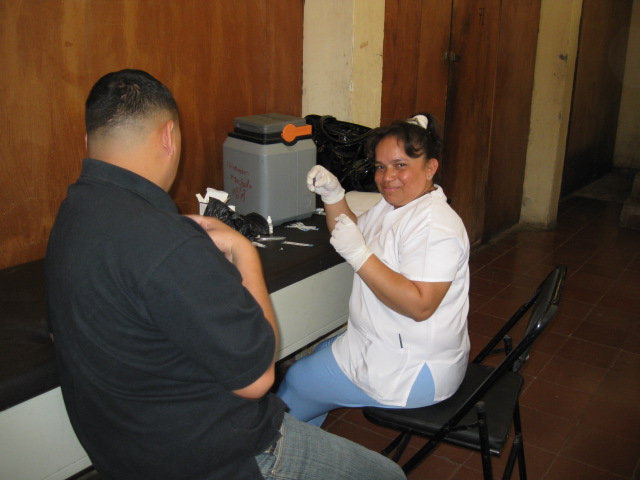
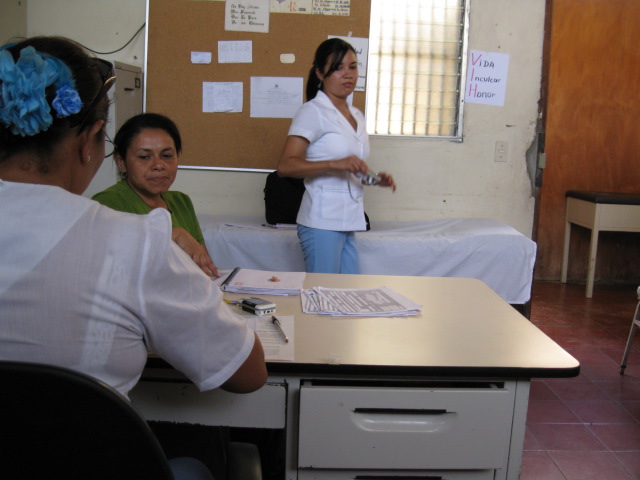
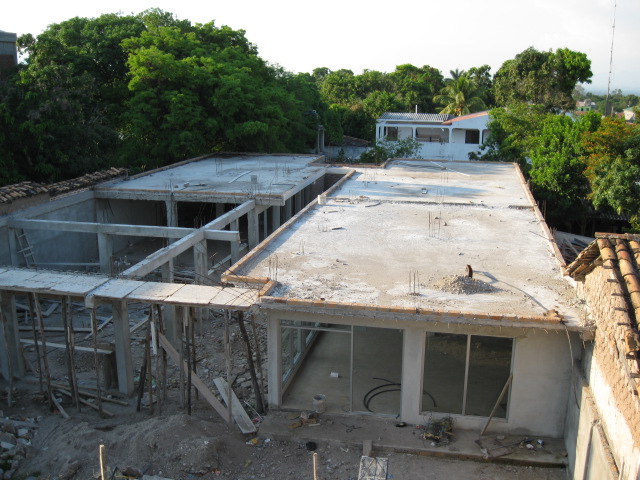
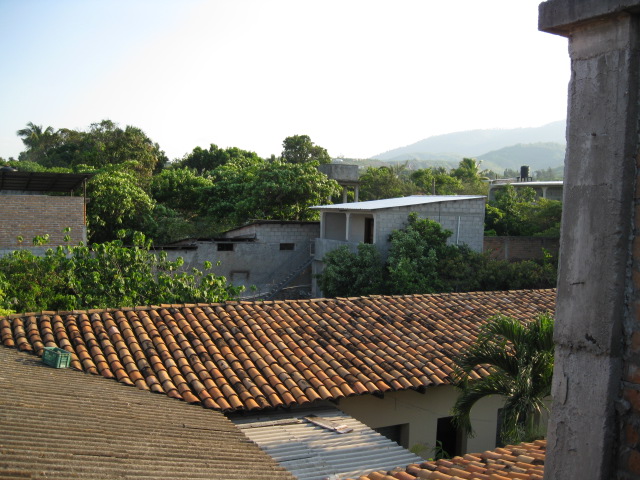
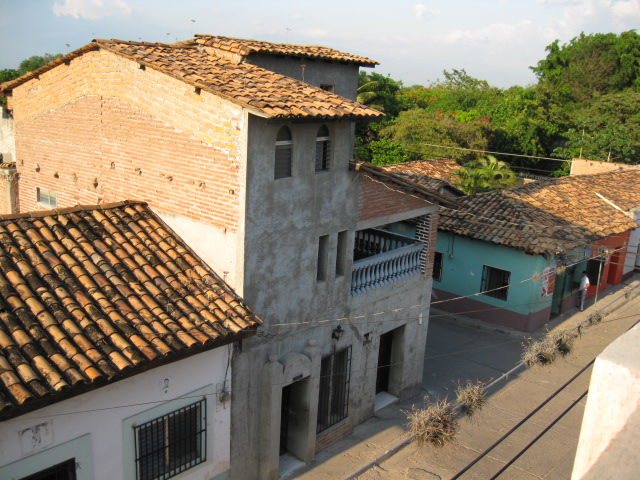
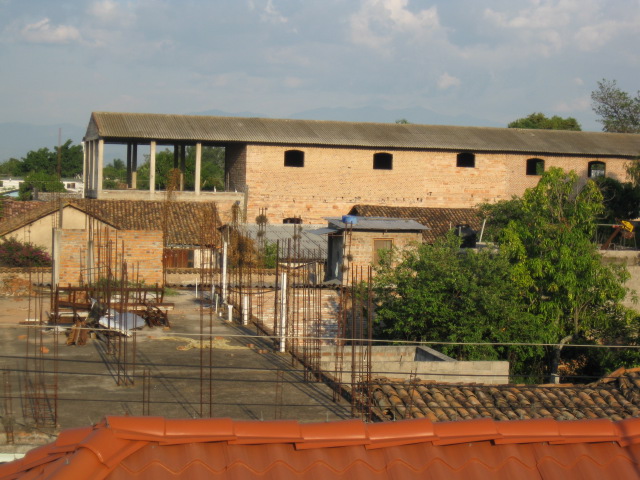
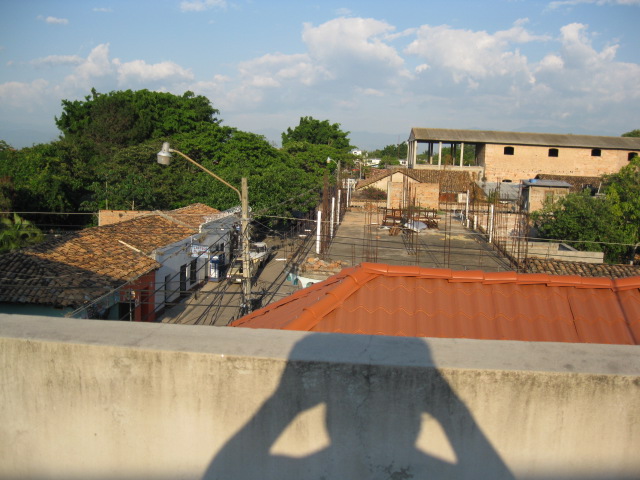
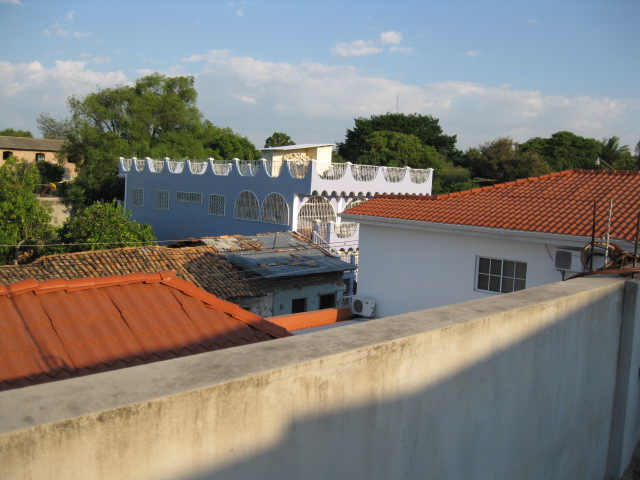
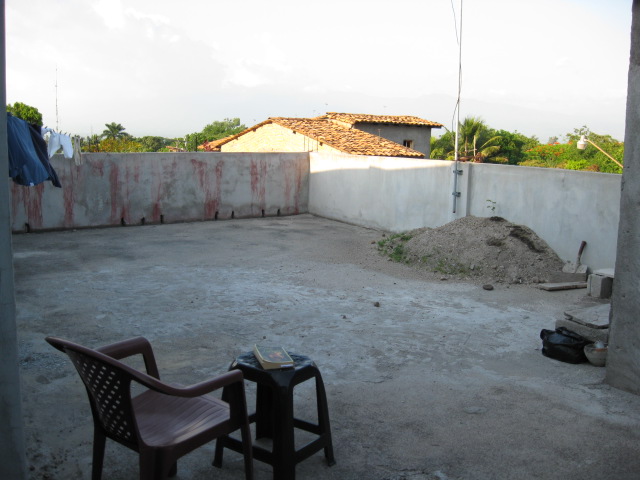
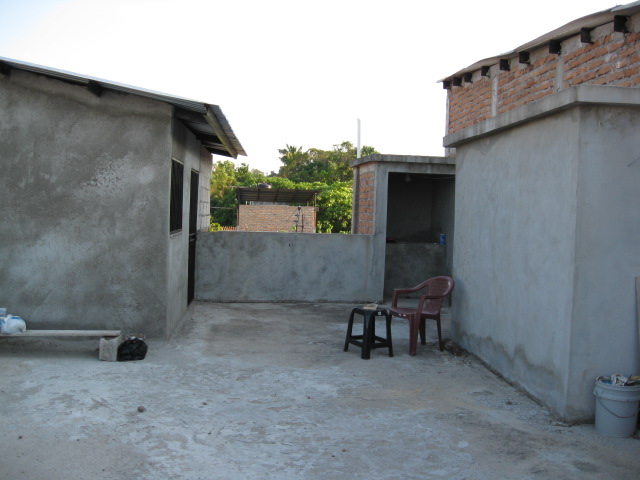
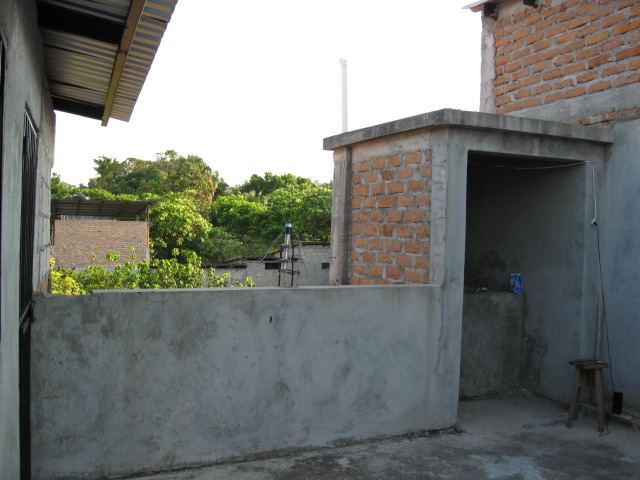
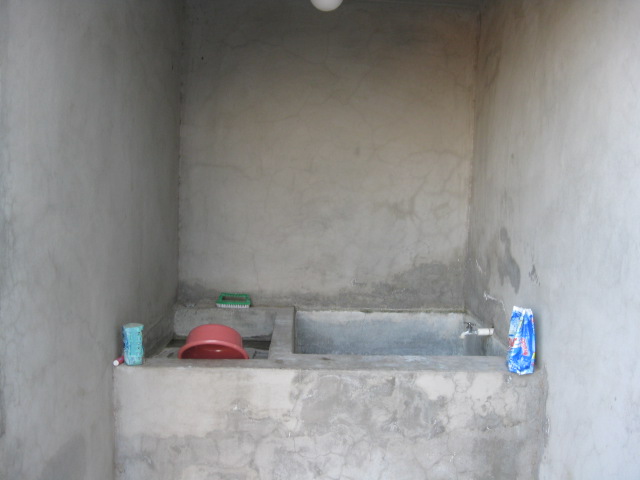
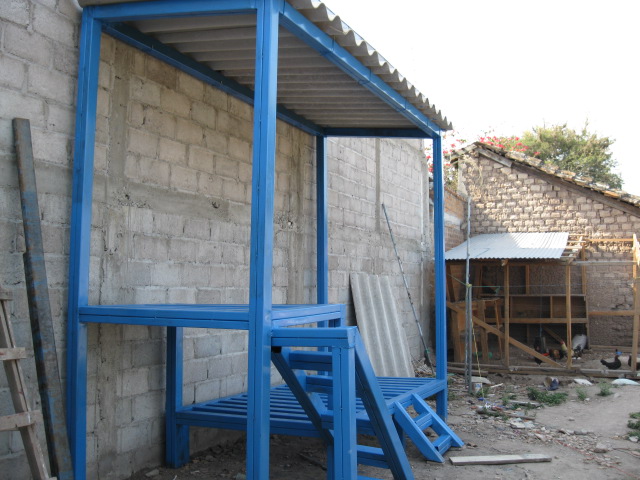
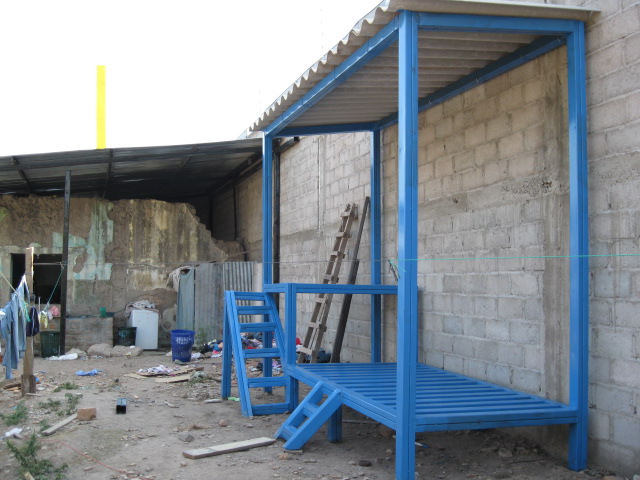
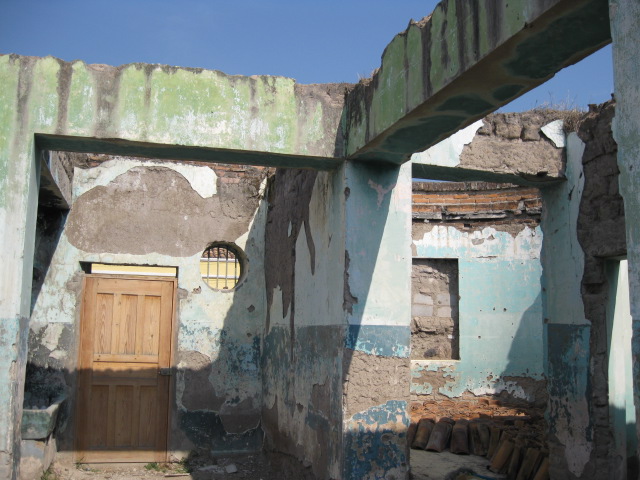
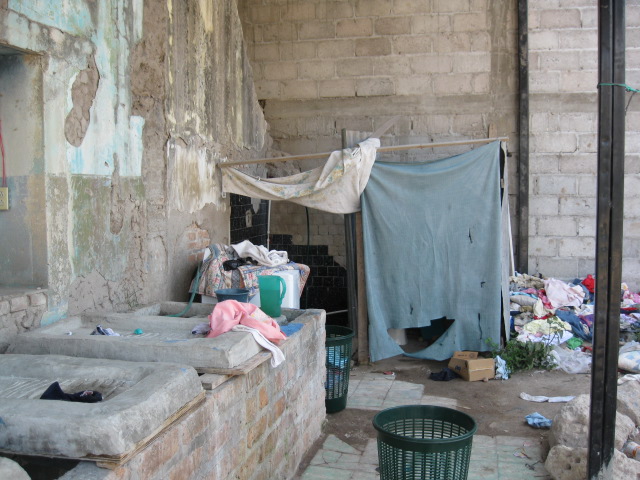
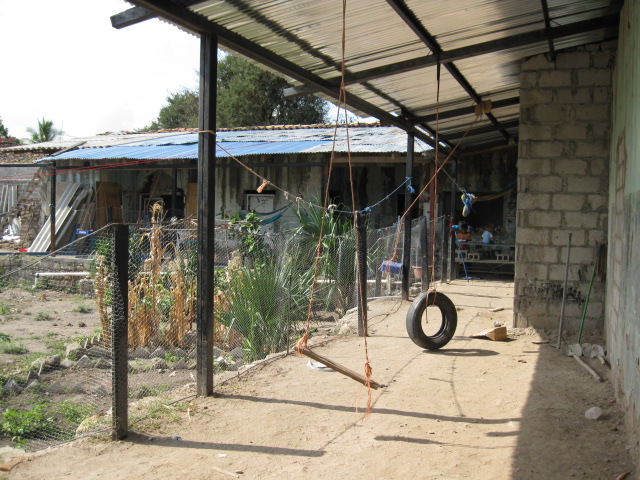
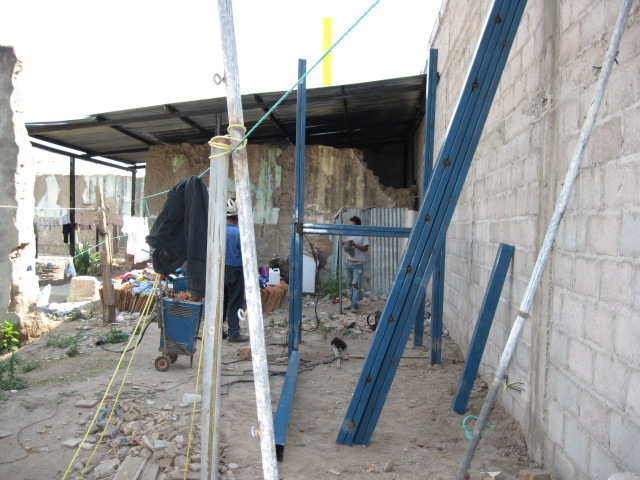
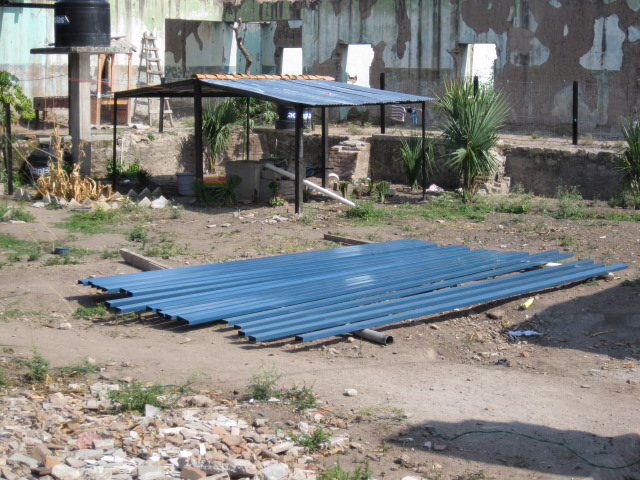
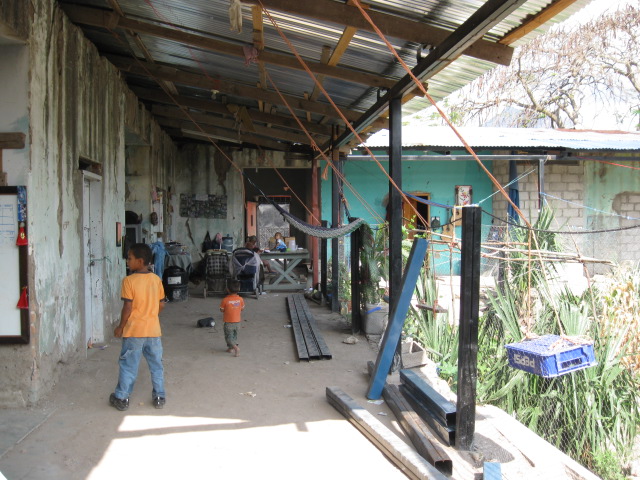
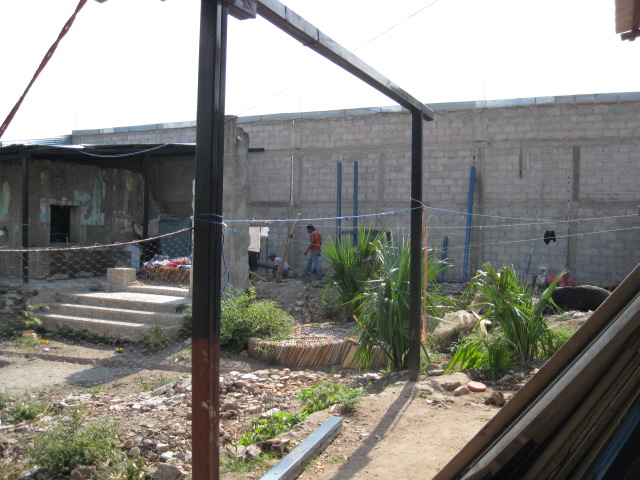
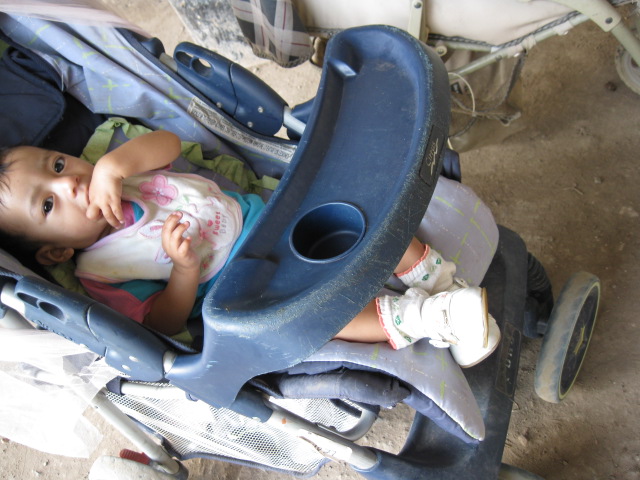
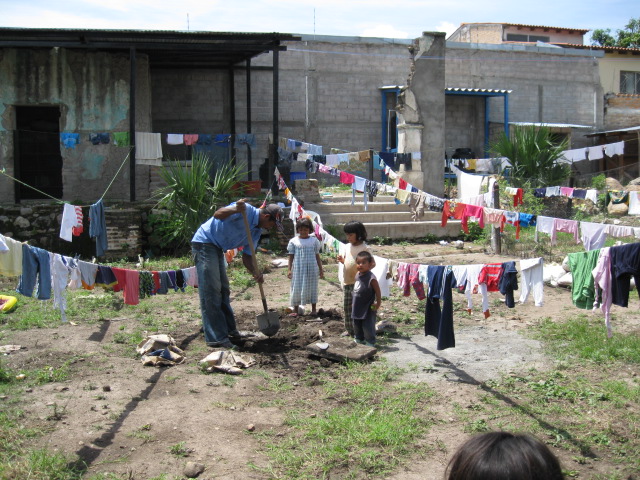
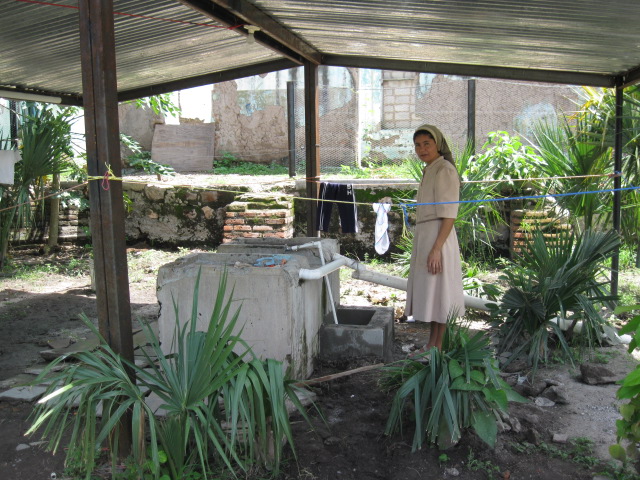
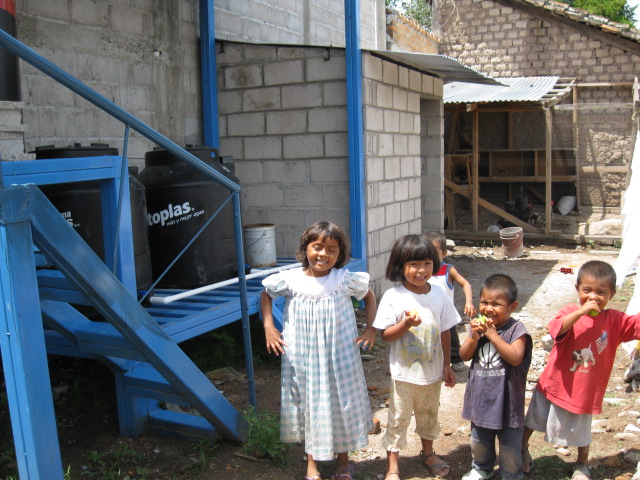
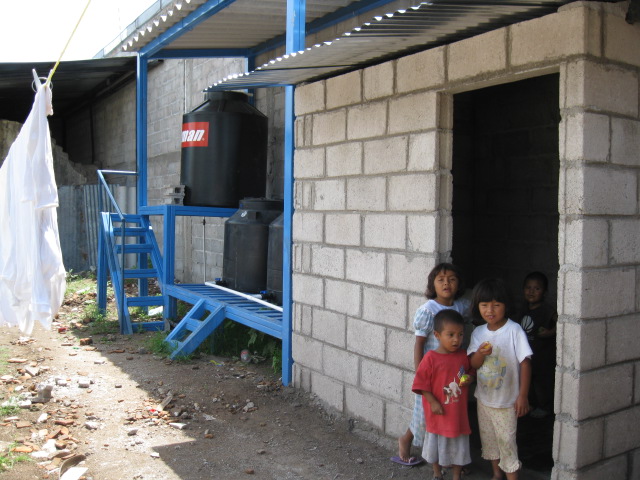
The bites began the day after I returned from Tegus last Thursday from Mid-Term Meds.  The little critters like to eat at night.  Halfway through a PCVs term of service we are required to see the PCMO (Peace Corps Medical Officer) for a medical evaluation.  We submit stool samples, they draw blood, we have a dental exam and eye exam and the docs address any questions we have with a brief physical exam.  Ironically, the critters weren’t even considered.  They must have climbed aboard my body from the filthy seat I occupied on the bus, either to there, or back home.  Sunday night the bites were so bad I couldn’t sleep, yet I could not see anything on my body; just the felt bite and intense itching afterward.  But Sunday night, I couldn’t sleep after all, I captured two of the tiny little buggers between my fingertips and squashed them onto a piece of paper.  As big as a period and tan colored.  The doc in La Paz didn’t know what they were, but prescribed meds.  The dermatologist I consulted in Comayagua two days later diagnosed Scabiasis y Pediculiasis and showed me blown-up pictures of numerous of the vile creatures, all related.  There, I said, recognizing my tormentors from the many photogenic beasties and the welts they raised as they fed on my carcass.  I will be medicating myself as I vacation to the Copan Ruinas, Guatemala, Cancun and Merida, capital of the Yucatan in Mexico where I will meet up with my daughter Andrea and her family.  The photos above show the purified water project complete and the final touching up of the operational system.  I return to La Paz July 3rd.  Life is good, bugs or no bugs.
Relentless Rain

infop-help-with-tanks-25-may-2010-018.jpginfop-help-with-tanks-25-may-2010-015.jpginfop-help-with-tanks-25-may-2010-013.jpginfop-help-with-tanks-25-may-2010-012.jpginfop-help-with-tanks-25-may-2010-011.jpginfop-help-with-tanks-25-may-2010-008.jpginfop-help-with-tanks-25-may-2010-005.jpginfop-help-with-tanks-25-may-2010-003.jpg

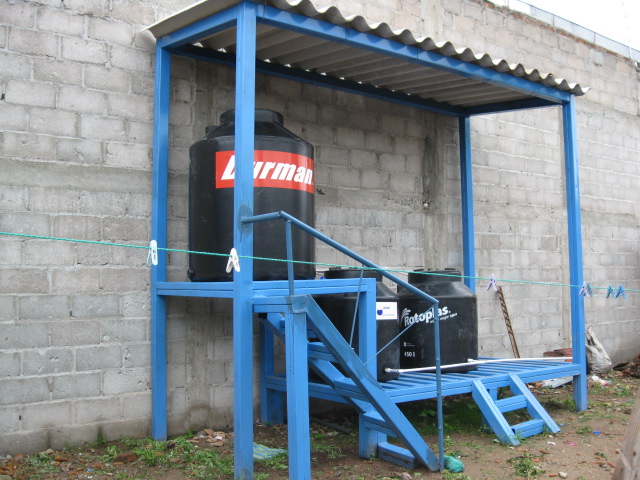
It has been raining every day for the past three weeks, mostly at night, although there are occasional daytime showers.  Last night, however, it rained all night and it is still raining right now in the middle of the day.  And these are not sprinkles but a downpour that has been coming down for several hours.  There is so much water in the air that the salt in my shaker has become a viscous goo.  The rainy season is during May and June, this year with a vengeance.  We had a team of eight INFOP (Instituto de Formacion Profesional) agricultural students at the Hogar San Jose last week to help plant valeriana on the grounds and lay out future gardening spots.  They were there when our last two water tanks arrived and helped with the installation.  It was hands-on learning and right up their alley.  The final installation has unfortunately been delayed due to a missing regulator valve.  Consequently, the delivery of potable water cannot begin until the valve arrives, which I hope is soon.  For I leave on vacation June 12th and will not return to La Paz until July 3rd and I would sure like to have the system in place before my departure.

Hicks From the Sticks

museo-en-tegus-22-mayo-2010-029.jpgmuseo-en-tegus-22-mayo-2010-027.jpgmuseo-en-tegus-22-mayo-2010-024.jpgmuseo-en-tegus-22-mayo-2010-023.jpgmuseo-en-tegus-22-mayo-2010-022.jpgmuseo-en-tegus-22-mayo-2010-006.jpgmuseo-en-tegus-22-mayo-2010-019.jpgmuseo-en-tegus-22-mayo-2010-016.jpgmuseo-en-tegus-22-mayo-2010-012.jpgmuseo-en-tegus-22-mayo-2010-010.jpgmuseo-en-tegus-22-mayo-2010-009.jpgmuseo-en-tegus-22-mayo-2010-005.jpgmuseo-en-tegus-22-mayo-2010-007.jpgmuseo-en-tegus-22-mayo-2010-001.jpgmuseo-en-tegus-22-mayo-2010-002.jpg

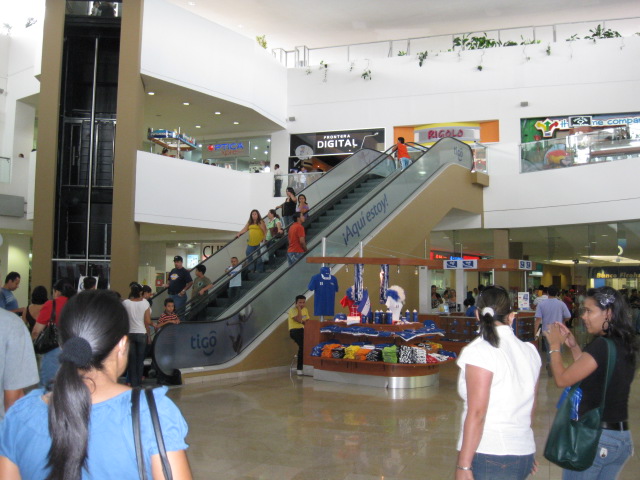
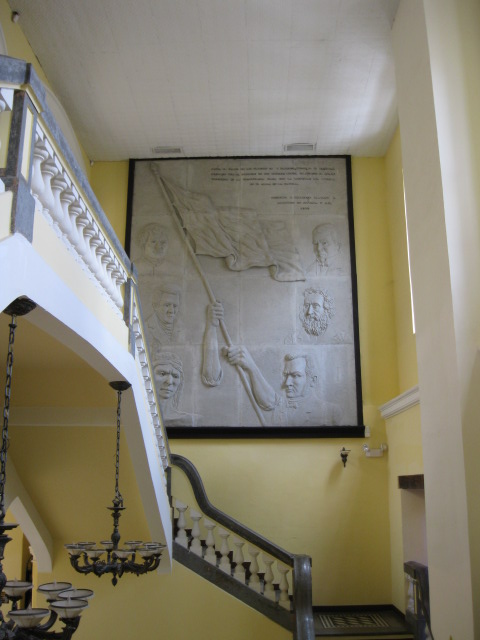
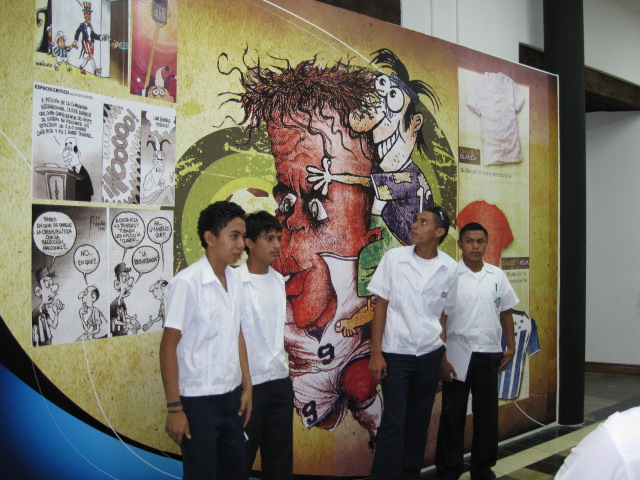
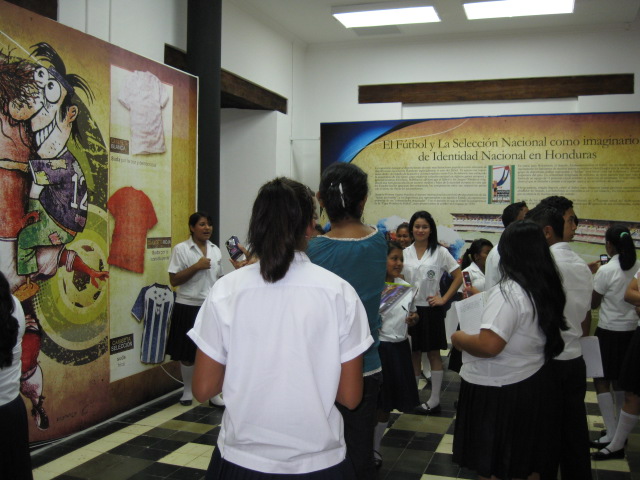
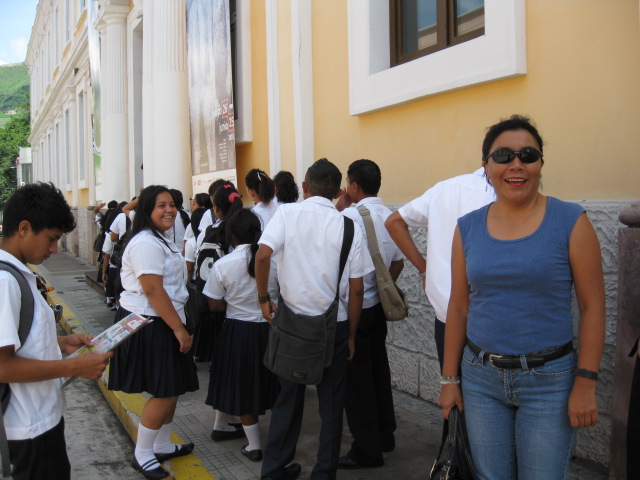
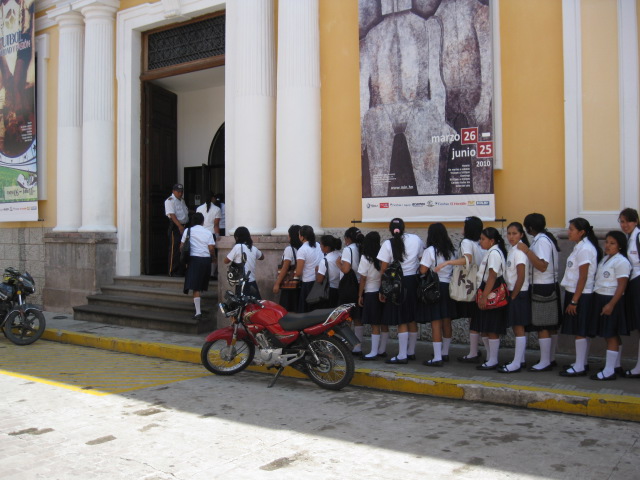
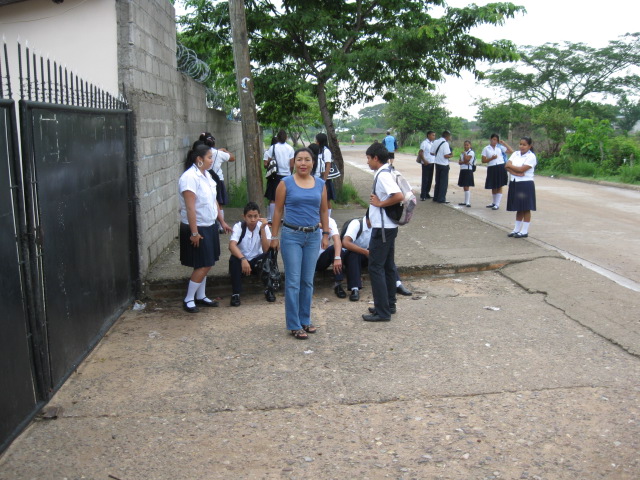
“Tengo miedo,” she said.  I’m scared.  The second-year high school student stood before the escalator at the Cascadas Mall.  She had never seen an escalator and hesitated putting her foot onto the upwardly moving step.  Many of the students at the Instituto Lorenzo Cervantes are from rural aldeas (villages) that have few services or amenities (no running water, paved streets, stores).  My contraparte Ana, the Profe Guadalupe, and myself chaperoned thirty alumnos to Tegucigalpa’s Museo de la Historia de Honduras last Saturday.  Tegus, the capital city of more than one million inhabitants, contains many wonders, the fabulous museum being one.  Although prohibited from taking pictures in most exhibits, especially the mixographs of Mexican artist Tamaya, we were allowed a little freedom.  Afterward we went to the mall for lunch and shopping.  The kids had a great day.  I had a great day.  I love my job!

Medical Brigade

virginia-brigade-15-may-2010-002.jpgvirginia-brigade-15-may-2010-001.jpgvirginia-brigade-15-may-2010-015.jpgvirginia-brigade-15-may-2010-014.jpgvirginia-brigade-15-may-2010-013.jpgvirginia-brigade-15-may-2010-012.jpgvirginia-brigade-15-may-2010-011.jpgvirginia-brigade-15-may-2010-004.jpgvirginia-brigade-15-may-2010-010.jpgvirginia-brigade-15-may-2010-008.jpgvirginia-brigade-15-may-2010-006.jpgvirginia-brigade-15-may-2010-005.jpg

Dr Barry Byer of the Virginia Hospital Center Medical Brigade arrived with his team last Saturday to assess the Hogar San Jose’s needs.  The expectant children brushed their teeth twice that morning and dressed in their best clothing.  Sister Edith played the guitar to make the norteamericanos feel welcome.  We hope they remember us when they return to the States.  Monday, my contraparte Licenciada Ana and I returned to the prison to complete the HIV post-testing with the results of the 47 tests we did on the 11th.  Everyone turned out negative.  To document more good news, I have been notified by the ADEC water engineers that the purification tanks will be installed at the Hogar San Jose next Tuesday May 25th.  The children will soon have potable water to drink on a 24-hour basis.

A Day In Prison

la-paz-prison-11-may-2010-012.jpgla-paz-prison-11-may-2010-011.jpgla-paz-prison-11-may-2010-009.jpgla-paz-prison-11-may-2010-008.jpgla-paz-prison-11-may-2010-007.jpgla-paz-prison-11-may-2010-006.jpgla-paz-prison-11-may-2010-004.jpgla-paz-prison-11-may-2010-002.jpgla-paz-prison-11-may-2010-001.jpgla-paz-prison-11-may-2010-013.jpgla-paz-prison-11-may-2010-014.jpg

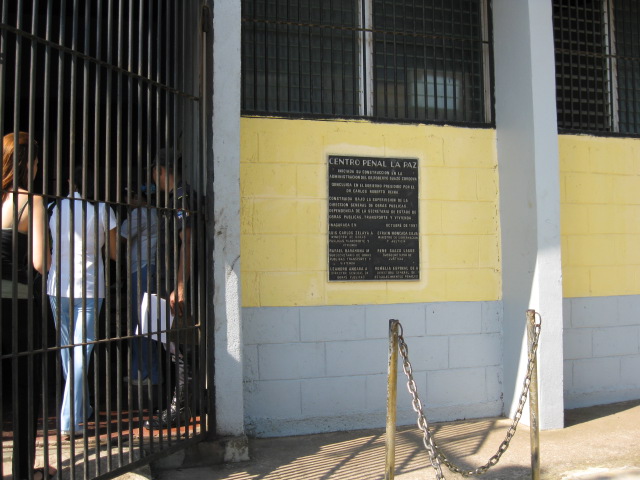
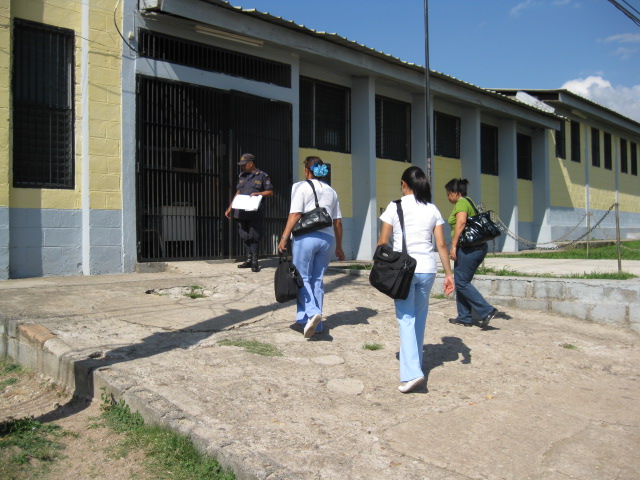
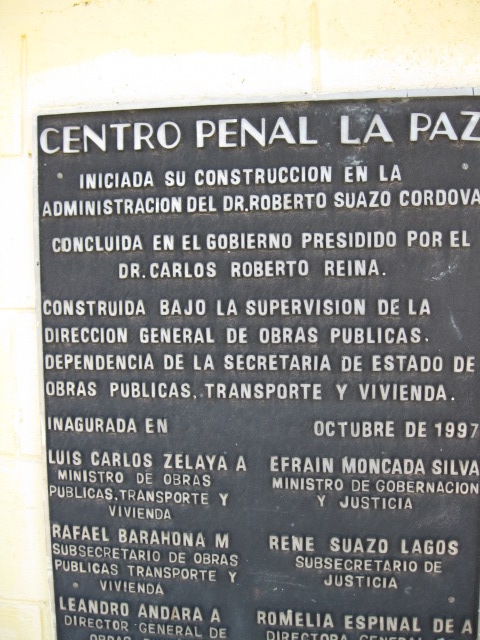
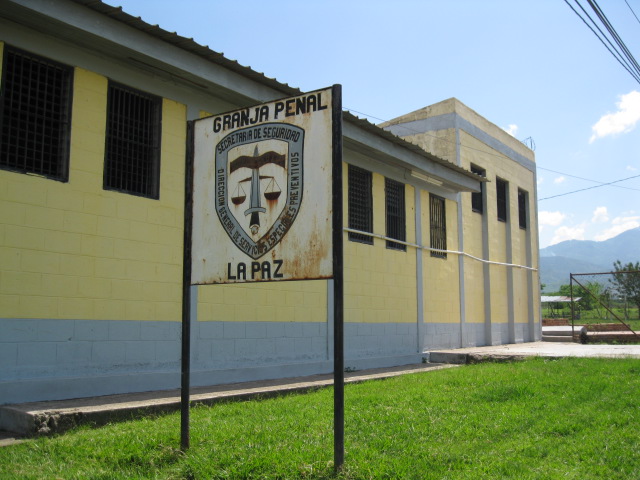
Of the 176 prisoners at the Centro Penal (15 of them women) 40 elected to have HIV tests done, a quarter of them women.  Our team is led by a dynamo of a nurse, Licenciada Ana, who has rejuvenated the approach to the education and treatment of HIV/AIDS in the departamento of La Paz.  All university graduates in the country are called Licenciado, hence yours truly, who has also been appointed to the board of the Comite Interinstitucional de Lucha Ante el VIH/SIDA, a group organized of different community activists to fight the scourge of HIV in the country, Central America’s highest.  My title on the comite is that of an Asesor-Tecnico, sort of like an educator.  Each departamento has a comite.  I personally interviewed and provided HIV counseling to 8 prisoners who chose to be tested.  The bottom pics show our arrival at the prison and the top left pic shows our team of health care workers, four of whom were auxiliary nurses in training.  It is an honor to have been selected to work with these dedicated professionals.  Three weeks ago, a brand-new CAI clinic (Centro de Asistencia Integral) opened at the hospital in La Paz, a clinic focused on the education and treatment of those in the community diagnosed with HIV.  It will be a challenge to try and overcome the stigma and discrimination in the local populace that accompanies a diagnosis like this in a semi-rural community whose citizens still take pride in being known as a Paceno, someone who was born here, and who subsequently takes pride in knowing everyones’ lineage.

Dia de Las Madres 2010

dia-de-las-madres-9-mayo-2010-010.jpgdia-de-las-madres-9-mayo-2010-008.jpgdia-de-las-madres-9-mayo-2010-006.jpgdia-de-las-madres-9-mayo-2010-009.jpgdia-de-las-madres-9-mayo-2010-012.jpgdia-de-las-madres-9-mayo-2010-004.jpgdia-de-las-madres-9-mayo-2010-005.jpgdia-de-las-madres-9-mayo-2010-002.jpgdia-de-las-madres-9-mayo-2010-003.jpgdia-de-las-madres-9-mayo-2010-013.jpgdia-de-las-madres-9-mayo-2010-007.jpgdia-de-las-madres-9-mayo-2010-001.jpg

I still have to wash my undies on Mother’s Day.  From bottom right is my pila where I do my laundry on my rooftop terraza.  I have great plans for a rooftop garden that will one day change the ecological landscape of my home.  I spend a lot of time up here, the view is terrific, as you can see from my panoramic pics.  I live right in the center of the city and across the street a new commercial establishment is being constructed. Sunday is my only day off and the only day I have to take care of housekeeping tasks. Tomorrow I’m coordinating the shipment of 20+ bags of compost to the Hogar San Jose; Tuesday I’m going to the local prison as part of a team to do HIV counseling and testing for 40 scheduled prisoners; and Saturday I am facilitating a medical brigade team from the states at the orphanage.  Interspersed among those activities are four English classes I give weekly to different age groups.  This past weekend my friend Jen came to visit from Trujillo, a twelve-hour trip away, bless her heart.  She was in town to give an HIV charla to the soon-to-be new class of H-16 Peace Corps Volunteers. There is never a dull moment in Honduras.

Hamburger Day!

A hamburger has to have pickles, tomato, lettuce, onion, cheese, mustard, mayonnaise, meat and a hamburger bun, which is what we feasted on last Saturday at the Hogar San Jose.  The kids had their first cheeseburgers ever with Lays Potato Chips and they loved them.  My friend Patrick, posted at San Marcos, Santa Barbara, had stopped for the night on his way to Tegus from where he would ship out after having finished his two-year tour and I put him to work cooking hamburgers.  He’s tall as a pine tree, very Anglo-looking, and dressed in a bright green T-shirt and bright yellow pants he kind of reminded me of a hamburger himself.  The kids loved him.  Afterward we sat around and ate watermelon, the kids commenting on the technique of eating hamburgers that I taught them.  Grab the burger with both hands, open mouth wide, bite!  And enjoy!

The Work Continues With Aspirante Help

17-april-2010-aspirantes-h-16-003.jpg17-april-2010-aspirantes-h-16-002.jpg17-april-2010-aspirantes-h-16-015.jpg17-april-2010-aspirantes-h-16-016.jpg17-april-2010-aspirantes-h-16-013.jpg17-april-2010-aspirantes-h-16-009.jpg17-april-2010-aspirantes-h-16-006.jpg17-april-2010-aspirantes-h-16-005.jpg17-april-2010-aspirantes-h-16-004.jpg17-april-2010-aspirantes-h-16-007.jpg

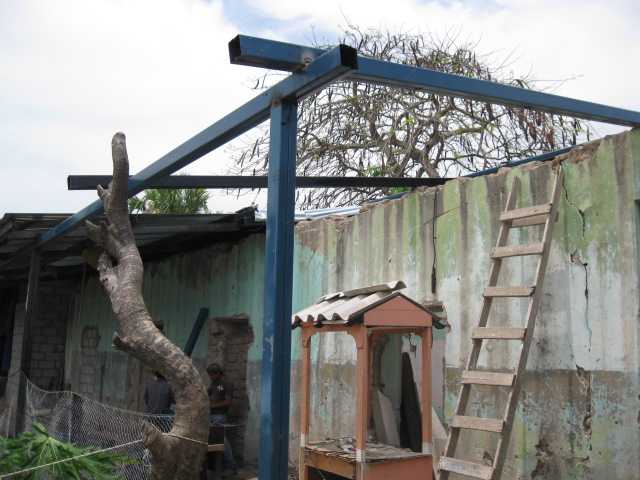
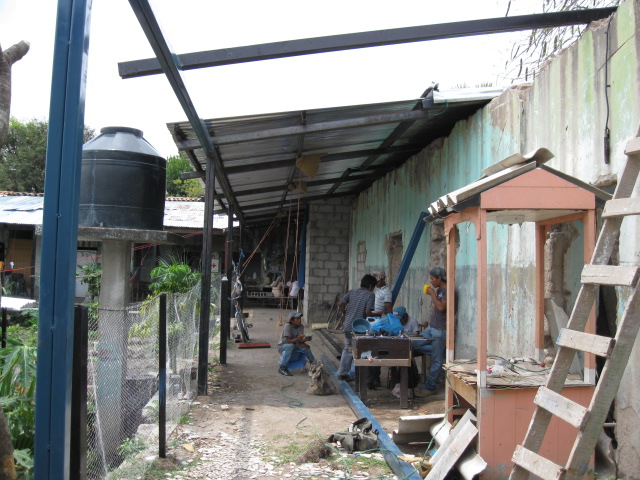
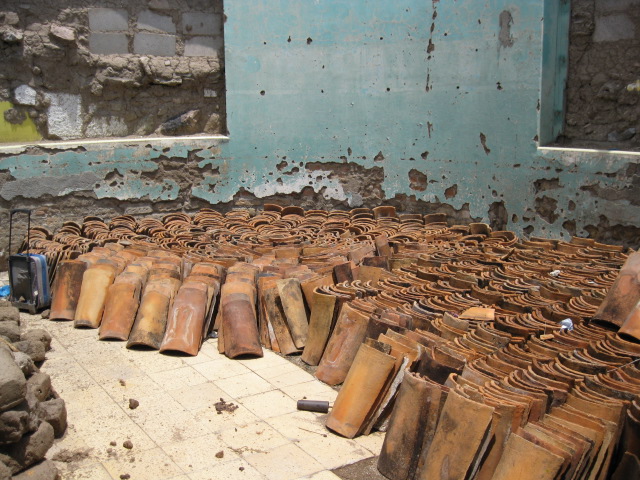
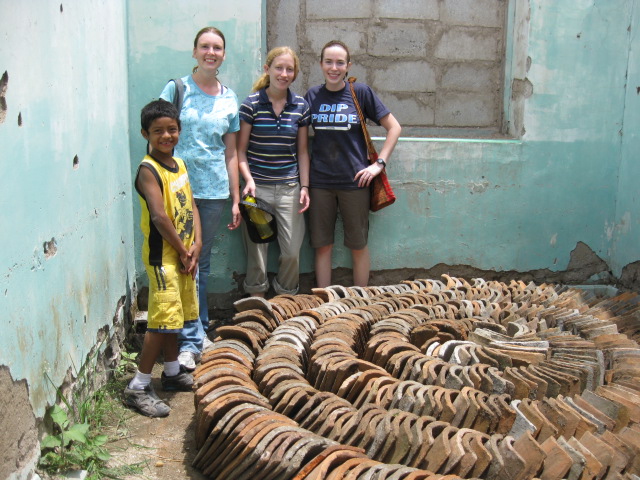
We worked our butts off, the aspirantes (trainees) and I, last Saturday.  From the bottom right the pic shows the tejas (tiles) in the distance that we moved that morning.  Past the shower/bathroom around the patio to an empty corner room where Evan, Katy and Anastasia and I hand-carried the tejas for temporary storage while construction continues.  Outside the storage area the workers continued the rebuilding across from the patio where they had already constructed the tarima (platform visible in the last two upper left pics) for the water tanks that will be installed in a couple of weeks; the tarima just visible in the bottom right pic from where we moved the tejas.  The aspirantes volunteer their labor every Saturday morning.  They finish their capacitacion (Field Based Training) in La Paz on May 7th, after which they will be sworn in by the U.S. Ambassador at the U.S. Embassy in Tegucigalpa as Peace Corps Volunteers and sent to posts all across the country.

Hey, Nico! Clean Water!!

tarimas-i-8-april-2010-007.jpgtarimas-i-8-april-2010-006.jpgtarimas-i-8-april-2010-005.jpgtarimas-i-8-april-2010-004.jpgtarimas-i-8-april-2010-003.jpgtarimas-i-8-april-2010-002.jpgtarimas-i-8-april-2010-001.jpg

My friend, Nick Wobbrock, is a Returned Peace Corps Volunteer (RPCV) who has made a tremendous impact in Honduras.  I am in La Paz because of him.  The month before he left last May, he introduced me to Sister Edith and the children of the Hogar San Jose who had been forced from their original home because the alcaldia wanted to establish a museum on the property, which never happened.  They had no other place to go except the abandoned property that had been used as the neighborhood dump for 30 years.  The night I went there with Nick he asked if I could help.  Hey Nick, check out the fence around the patio; check out the canaletas being soldered together for the platforms that will support the water purification tanks so the kids can have potable water to drink; check out eight-month-old Maria Jose who is wearing her first pair of shoes.  We have only just begun.  Thank you and your family for your help.

My Second Easter in La Paz

second-easter-in-la-paz-march-28-2010-007.jpgsecond-easter-in-la-paz-march-28-2010-006.jpgsecond-easter-in-la-paz-march-28-2010-005.jpgsecond-easter-in-la-paz-march-28-2010-004.jpgsecond-easter-in-la-paz-march-28-2010-003.jpgsecond-easter-in-la-paz-march-28-2010-002.jpgsecond-easter-in-la-paz-march-28-2010-001.jpg

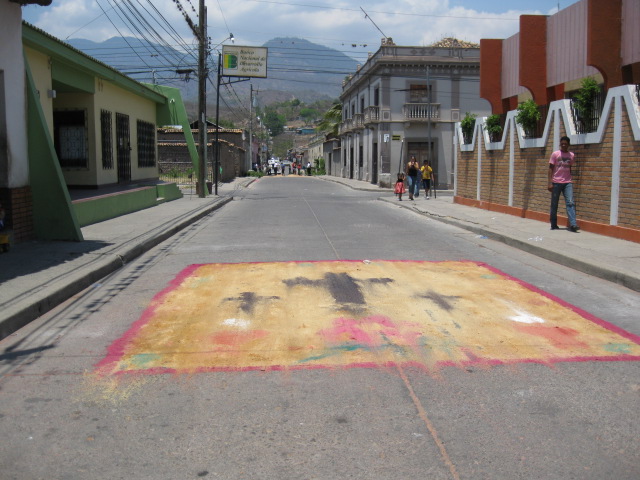
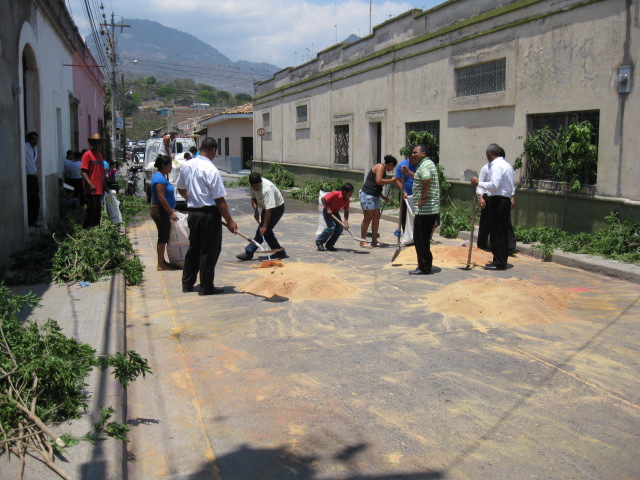
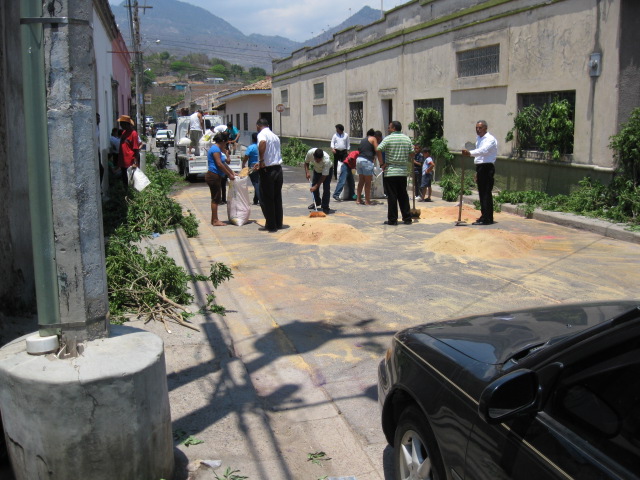
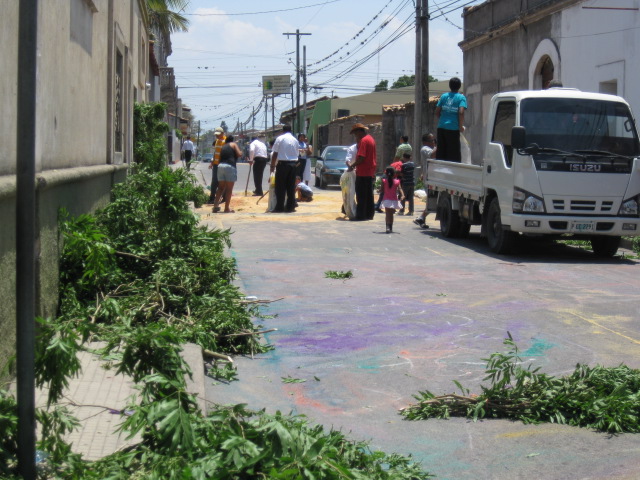
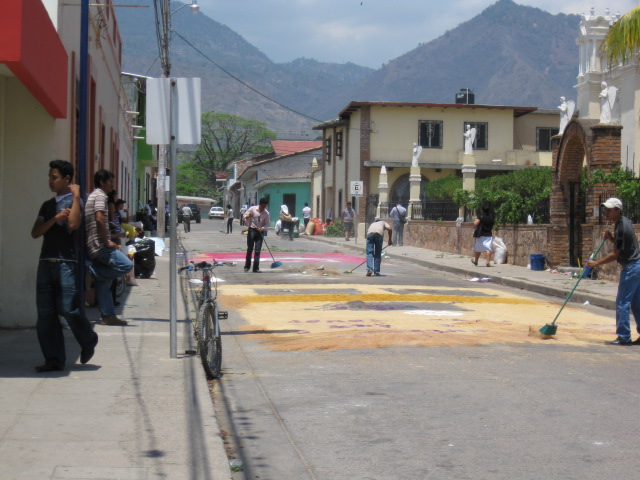
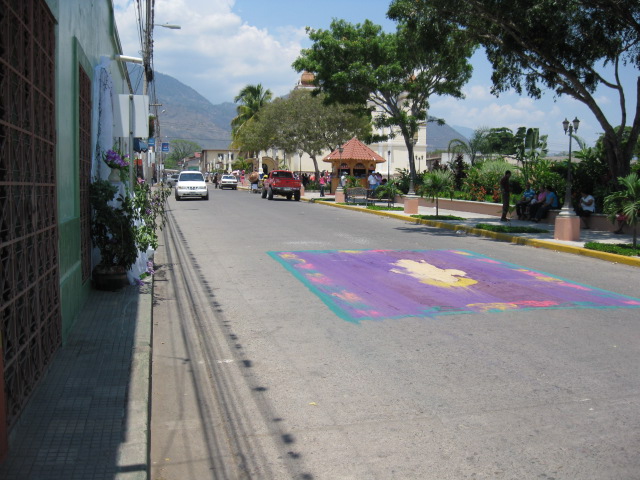
A year ago I walked the 12 stations of the cross around the city beginning at 8AM and finishing around noon with my host mother.  I had never noticed before but there are actually 12 stations placed at strategic points around the city in a large square comprising several city blocks of the downtown area.  On Good Friday thousands of citizens led by the parish priests and acolytes form a procession and begin at the church steps to commence a march with a stop before each station of the cross where the procession stops to pray (please see my entry from April 2009 for pics).  It was unbearably HOT a year ago so I decided to wait until the procession came to an end in front of the church this year to take pics.  I was too late.  The procession had just ended when I arrived at the church.   The photos, consequently, are of the clean-up after thousands of people had already walked over the dozens of alfombras that are carefully constructed by legions of believers the day before.  The alfombras are constructed over several hours using brightly colored sawdust, much like Tibetan or Hopi sand paintings.  And like the former, their existence is transitory.  As is our own existence on earth.