Author Archives: Fortunato Velasquez

About Fortunato Velasquez

Fortunato Velasquez received his Registered Nurse's license from the State of California during the month that Neil Armstrong walked on the moon. On February 15, 2020, my friend and the director of the Fundación Señor San José in La Paz, La Paz, Honduras, Sister Edith Suazo Fernandez died at the age of 47. https://youtu.be/Poqcf0vn0qQ This a video of her funeral.

We Keep Moving Forward

more-steps-forward-19-march-2010-002.jpgmore-steps-forward-19-march-2010-001.jpgmore-steps-forward-19-march-2010-003.jpgmore-steps-forward-19-march-2010-004.jpgmore-steps-forward-19-march-2010-005.jpgmore-steps-forward-19-march-2010-006.jpgmore-steps-forward-19-march-2010-007.jpgmore-steps-forward-19-march-2010-008.jpgmore-steps-forward-19-march-2010-009.jpgmore-steps-forward-19-march-2010-010.jpgmore-steps-forward-19-march-2010-011.jpg

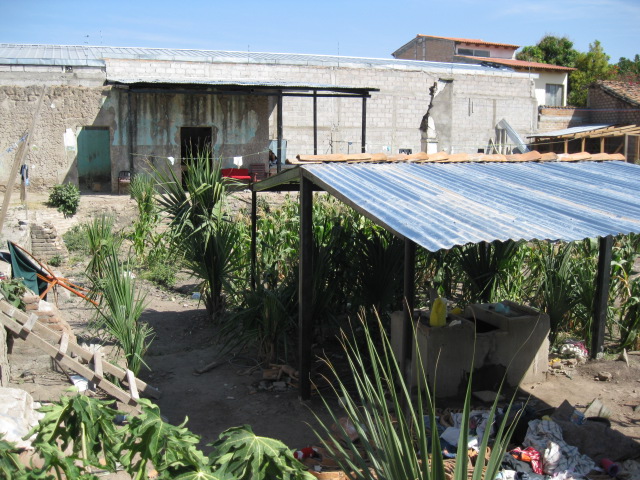
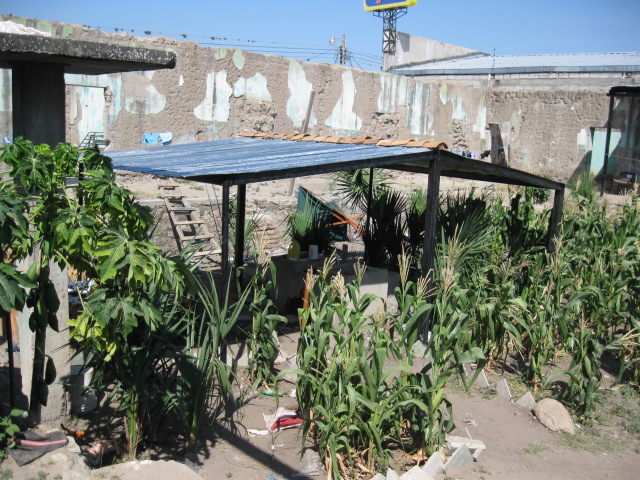
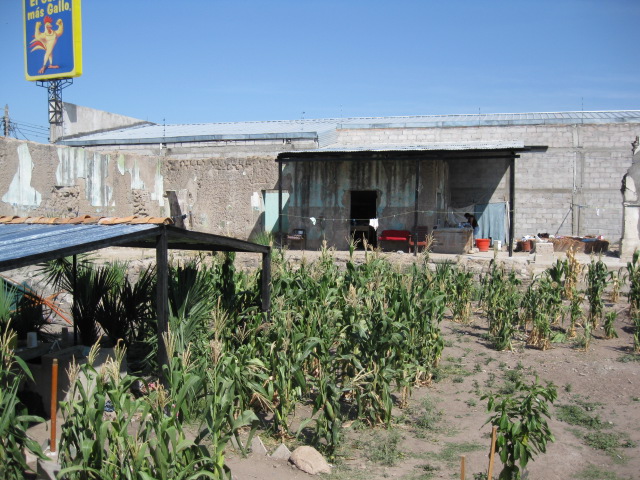
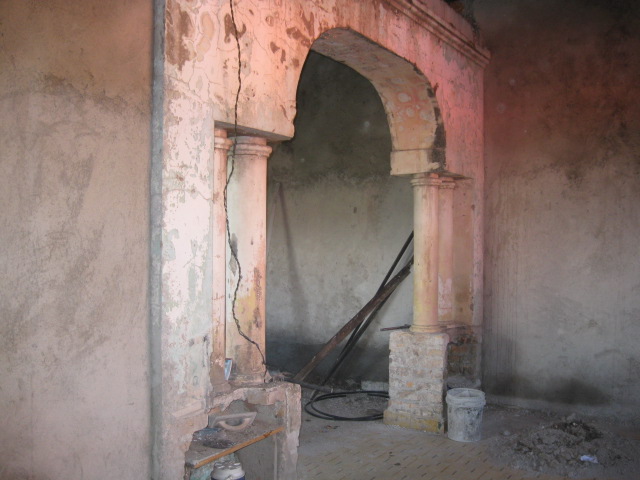
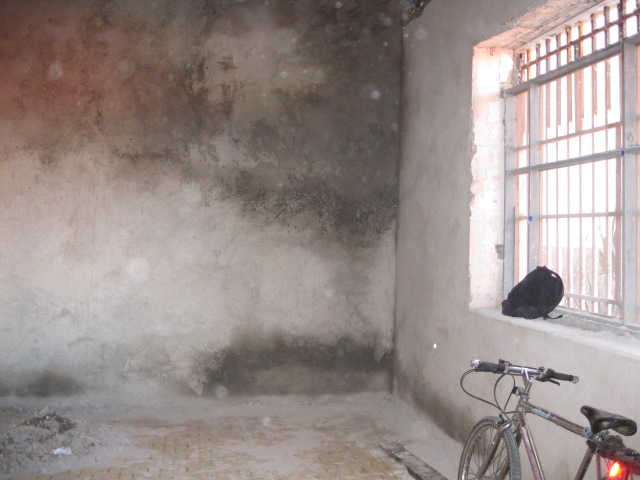
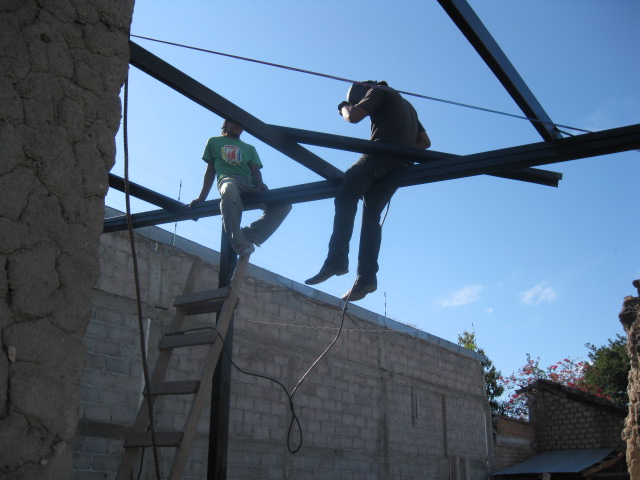
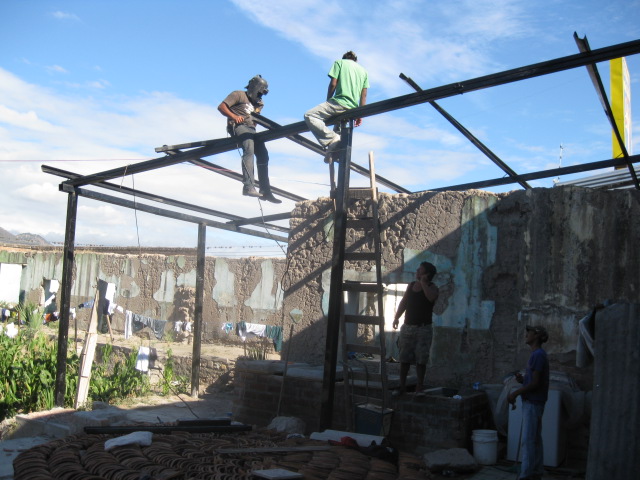
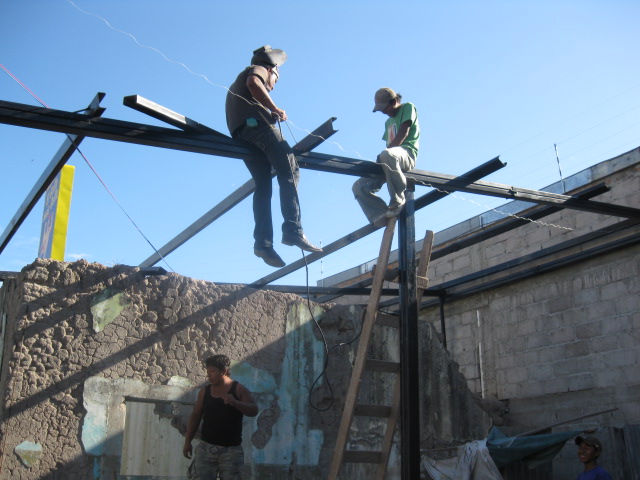
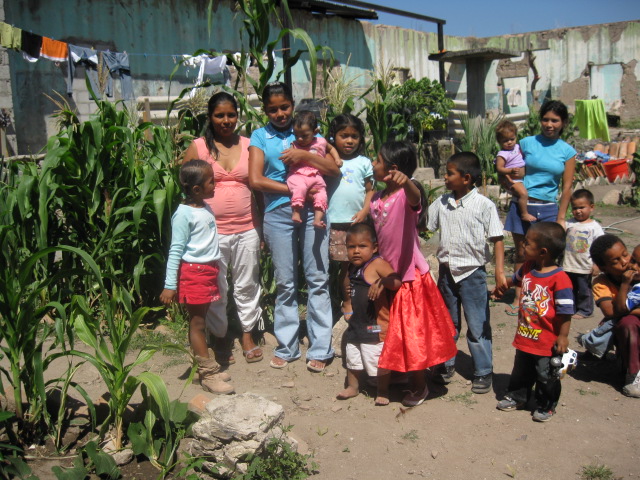
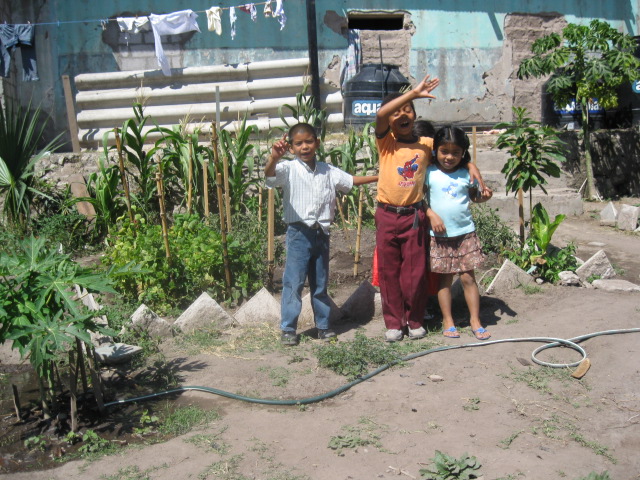
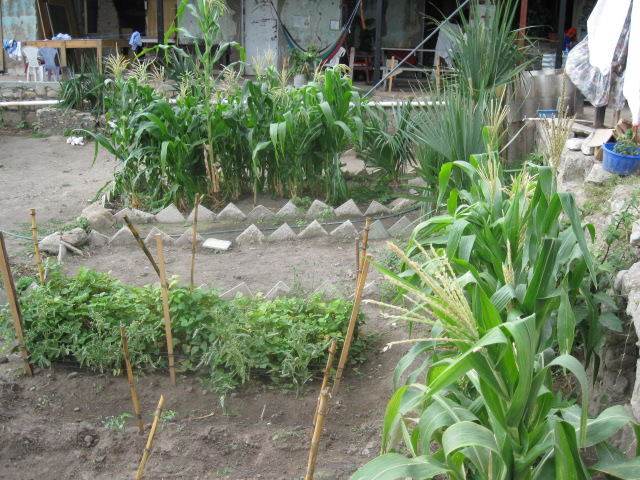
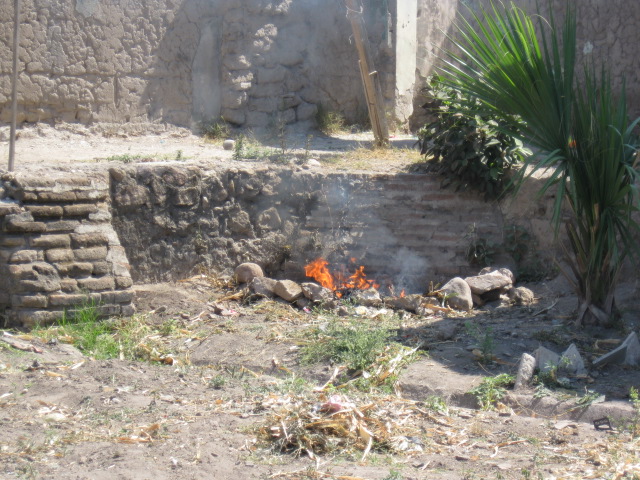
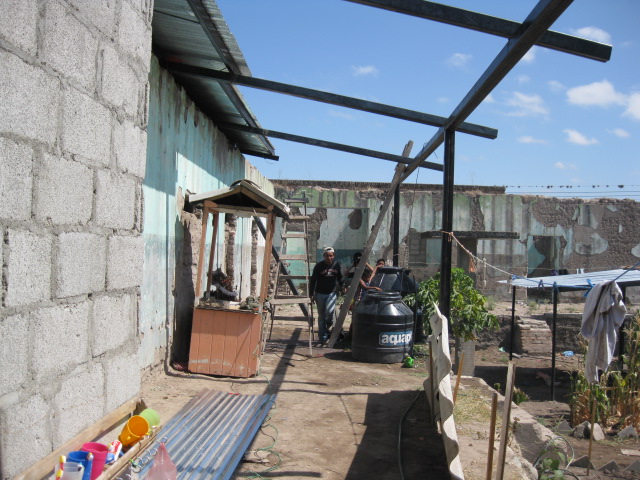
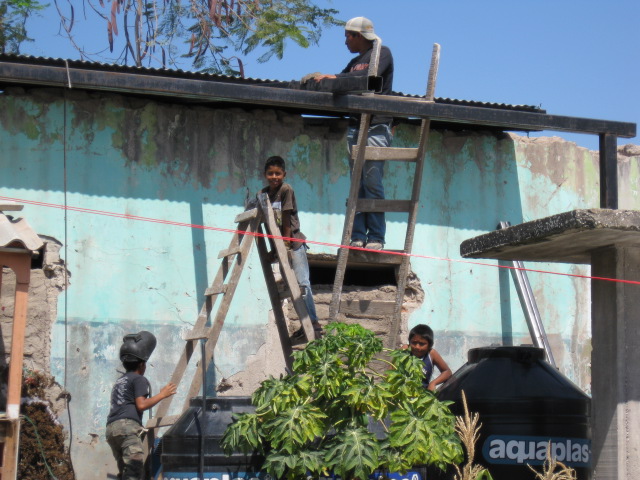
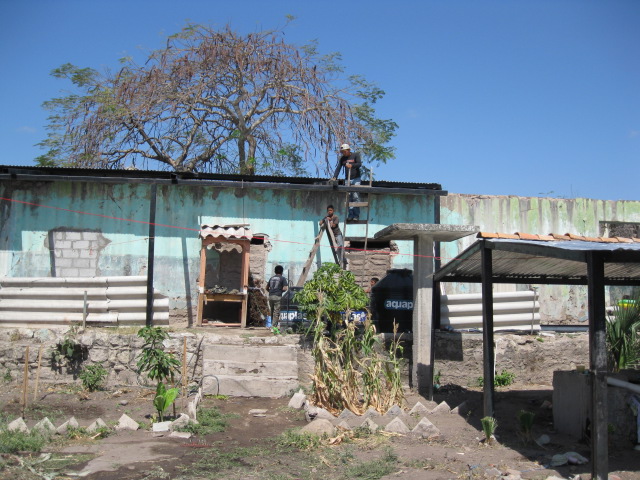
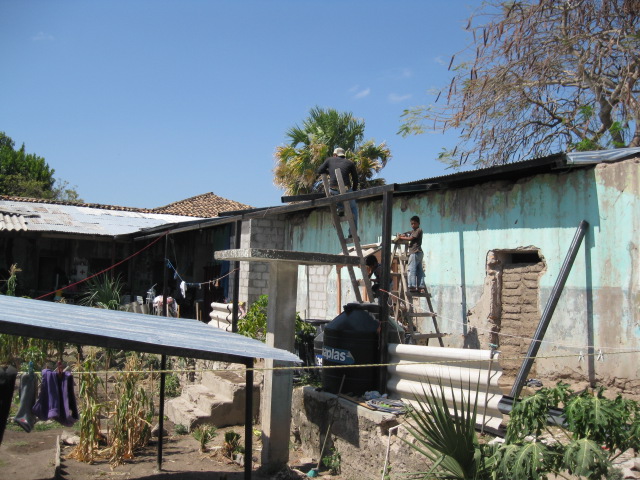
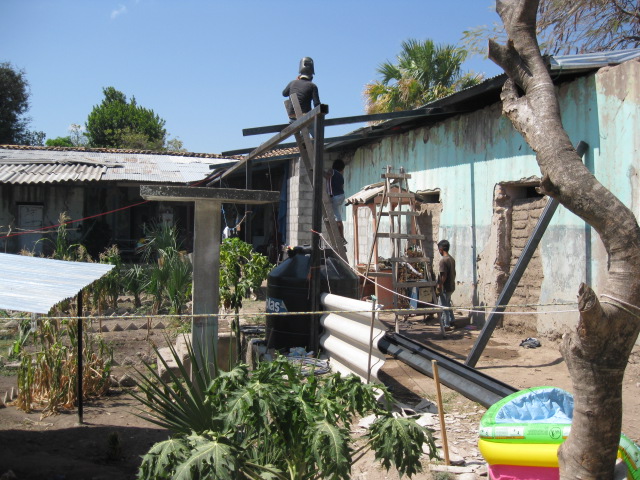
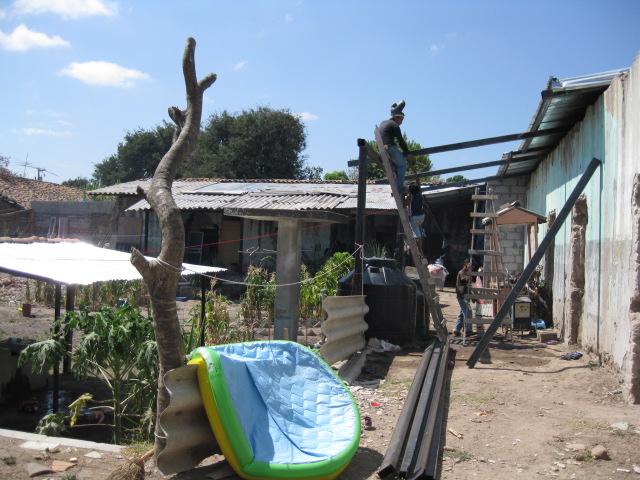
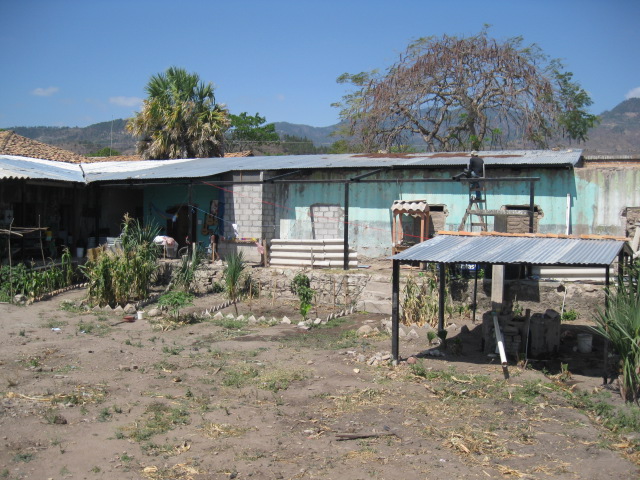
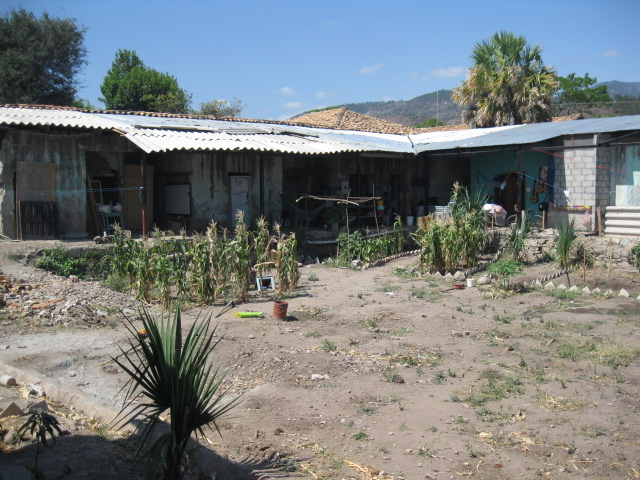
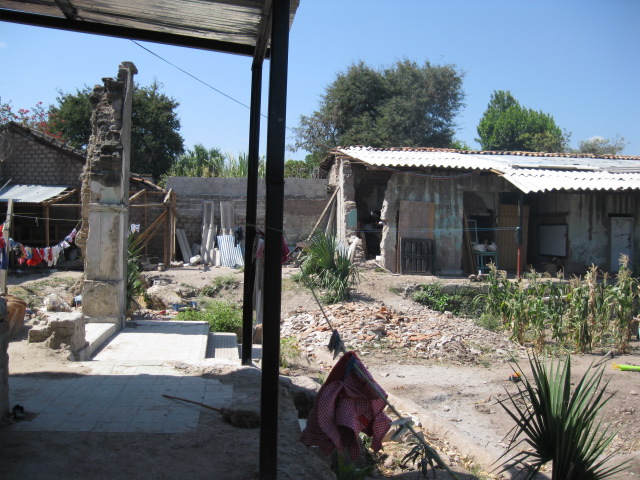
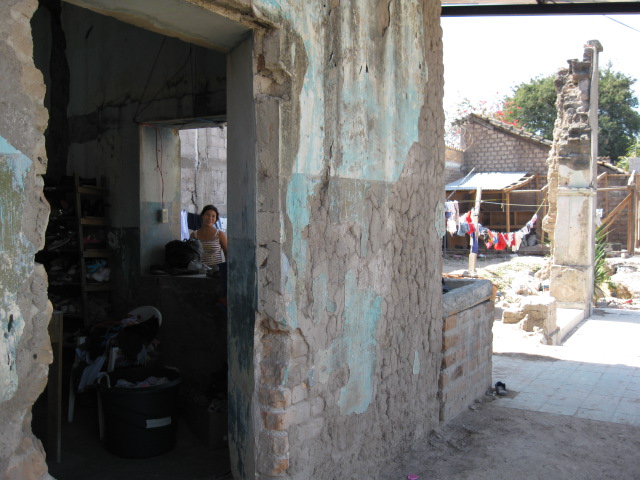
The Fundacion Senor San Jose was told to exit its original home by the alcaldia a year ago, that’s when I became involved with the children, during my Field Based Training (FBT) that all aspiring trainees (aspirantes) must complete satisfactorily before becoming Peace Corps Volunteers: much like military boot camp.  The alcaldia’s plan was ostensibly to turn the building into a museum (which never happened).  So Sister Edith was left with no place to go and the responsibility of caring for 17 children.  She chose a building abandoned for approximately 30 years that had degenerated to the point of being used as the neighborhood dump.  She went before the alcaldia’s town council and received written permission to move onto the abandoned premises.  Over the past year it has become home to the Hogar San Jose.  There, however, remains one major problem.  The title to the property is missing and no one seems to know who is the rightful owner.  The story is that the property was sold to the state.  This is a very important point as no foundation or funding source will invest for improvement in a property that has no clear title.  All the improvements being made at present are being completed via the personal donations of persons like the Wobbrock family in Portland, Oregon and Dan Tiedge of the Virginia Health Center.  The above pics show the trash-burning fire, at the far top center of the large central patio where we’re growing a garden, smack in the middle of the 11-picture collage.  The pic next to the fire shows the new construction to the left as we enter the Hogar and the sequence of photos continues around the square to the end where the most recent construction has been finished.  Because of the title dispute the only construction at present is limited to metal supports and sheet-metal roofing to provide shade for the children and shelter from the elements.  More about this later….
Thieving Vultures

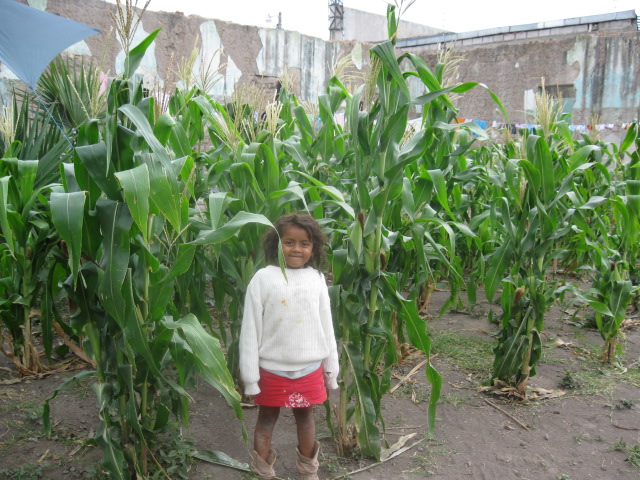
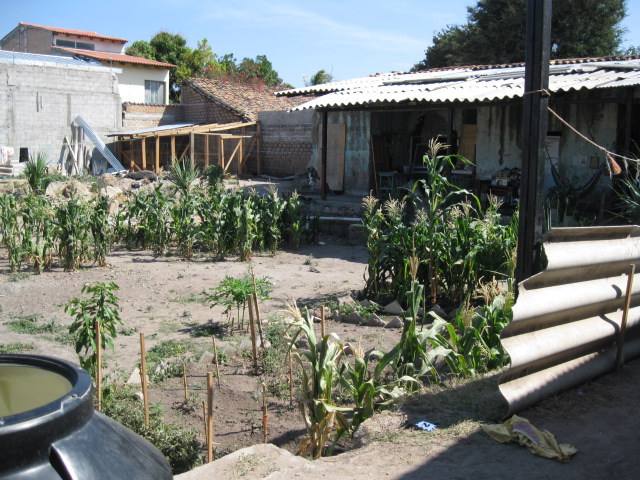
I had been sitting in the shade after irrigating and picking corn from the milpa talking with Leroy, shucking corn just before lunch, while he did his homework.  Out of the corner of my eye I saw the first vulture light atop one of the Hogar’s ruined walls.  It sat there hunched over like vultures do.  Leroy commented on the birds when the second vulture flew in to sit close by the first.  Zopilotes, I said.  He laughed.  I wonder what they’re doing here?  The scavengers are ubiquitous, dozens float in the wind currents high above the city daily.  A half-dozen toddlers played around my feet making a nuisance of themselves asking for corn shucks in their childish garbles.  Suddenly I heard a cry: The chicken! screamed the nun.  I saw her dash from the kitchen, yelling.  I looked and saw that one of the vultures had swooped down to where Sister Edith had set a large pan with a frozen chicken to defrost in the sun a short distance away.  The startled vulture had just started to peck at the chicken carcass and quickly jumped into the sky to settle back on the ruined wall.  The nun walked back clutching lunch tightly to her chest and the toddlers, as one, ran towards the two vultures waving their tiny arms, shouting in cherub anger to keep the birds at bay.

More Steps Forward

more-steps-forward-28-feb-2010-004.jpgmore-steps-forward-28-feb-2010-003.jpgmore-steps-forward-28-feb-2010-001.jpgmore-steps-forward-28-feb-2010-002.jpgmore-steps-forward-28-feb-2010-005.jpg

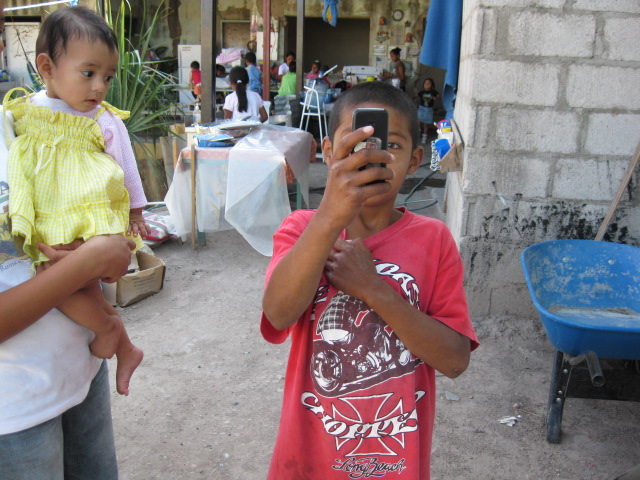
I came by the Hogar this Sunday to take the kids’ shoe size measurements because the Palmerola Military Base is donating shoes for all the kids: as well as backpacks for the school age children.  The US soldiers also built our chicken pen paying the cost out of their own pockets.  Daniel decided to take my picture on his mom’s cell phone while I was taking pictures of the recent improvements.  A donation of $500 accomplished all the above.  In two weeks the Virginia Health Center will finance the building of the wood platforms for the installation of a water filtration system so that the kids can have potable water to drink.  Day after tomorrow I leave for Tegus early (6AM) for what I hope will be my last dental appointment.  We continue to move forward against all odds.  More about that later….
Another Step Forward

hogar-san-jose-repairs-begin-feb-2010-017.jpghogar-san-jose-repairs-begin-feb-2010-009.jpghogar-san-jose-repairs-begin-feb-2010-008.jpghogar-san-jose-repairs-begin-feb-2010-015.jpghogar-san-jose-repairs-begin-feb-2010-005.jpghogar-san-jose-repairs-begin-feb-2010-004.jpghogar-san-jose-repairs-begin-feb-2010-003.jpghogar-san-jose-repairs-begin-feb-2010-001.jpghogar-san-jose-12-feb-2010-008.jpghogar-san-jose-12-feb-2010-003.jpghogar-san-jose-12-feb-2010-022.jpghogar-san-jose-12-feb-2010-021.jpg

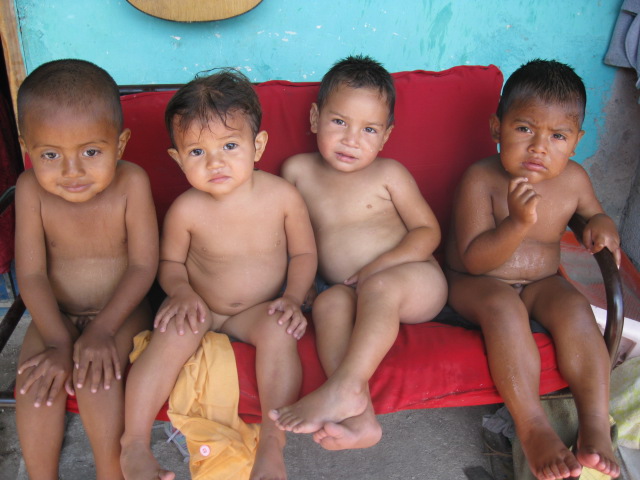
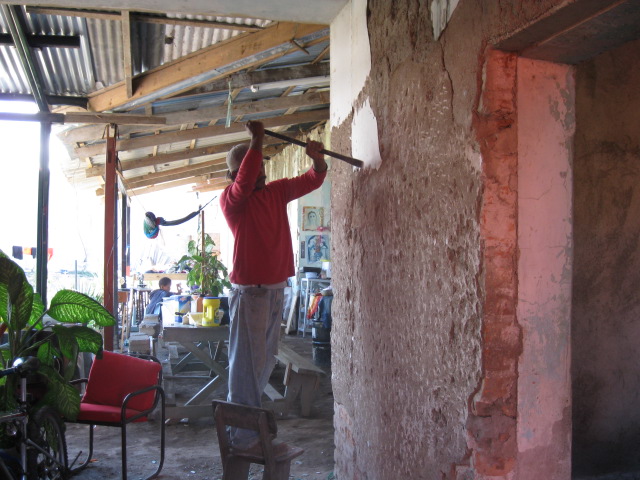
We harvested the first ears of corn from our milpa today for lunch.  Enough for the 22 Hogar San Jose residents and the volunteer workers putting up the metal posts that will support the metal laminas that will serve as a roof to protect from the sun and rain.  With the $500 that was donated by former PCV Nick Wobbrock and his family and Dan Tiedge of the Virginia Health Center, Sister Edith was able to purchase the materials to continue our renovation of the premises and solicit the volunteer help to make it happen.  In addition the alcaldia donated the labor and materials to replaster and paint the kitchen and dining room area and the entryway.  While all this activity occurs, life goes on: ergo the four youngsters waiting for bath time before lunch and the fresh corn on the cob.

The Power of a Peanut

A three-tooth permanent bridge, when it fails, is removed from its foundation by cutting it into three pieces with a high-speed drill.  I sat in the dentist’s chair for three hours yesterday for the second time in a month while a different dentist sawed the second bridge from my head.  The replacement bridge I had waited a month for and that was installed last Friday lasted one day.  Saturday night after dinner I sat watching television happily eating peanuts when I suddenly felt a familiar sensation.  A peanut had factured my day-old bridge!  It was obvious that the first dentist, a male, had been less than diligent installing my first replacement bridge.  It was more than obvious that the second dentist, a female, was thorough and fastidious and very professional.  The first guy hadn’t taken a single Xray.  The lady took three.  The first guy sent the tooth impressions to Guatemala for the bridge construction.  The lady is having my new bridge made in Tegucigalpa at a laboratory near her office.  My new bridge should be ready in one to two weeks.  I expect to be happily eating peanuts again shortly.

Random Thoughts

The last week in January I traveled to La Masica to visit with friends I worked with during my three-month residence in that small municipalidad.  My first day there I stayed with my Canadian friend, Bob.  He is a volunteer in a Canadian volunteer group similar to the U.S. Peace Corps.  An engineer, he works in forestation and water projects.  We had lunch in the very humble one-room home of his adopted Honduran family.  Bob’s contract has been suspended and he has been living on his own savings since last September.  His Honduran friend, a night watchman, has not been paid for two months.  My visit had been expected for a few weeks and therefore came at a very trying financial moment.  I learned all this while waiting for lunch, and also that the night watchman had gone fishing the previous day and caught an iguana and a turtle.  That is what we had for lunch, the amphibian flesh stewed in a coconut sauce that was truly delicious.  My last night in La Masica I was invited to a supper at my previous contraparte’s brother’s home, a gentleman who had just been elected to a seat as a diputado to the national legislature: a position similar to that of a congressman back in the states.  They killed a pig for the occasion, all the new diputado’s very large extended family participating.  I arrived just as the hapless porker was clubbed across the head and had its throat slit.  Sitting three feet away I watched as the men hired to prepare the chancho scrapped off the stiff red hairs with boiling water, washed the body with soap and cold water, cut off the pink skin in long strips, then disemboweled the creature hanging by its hind legs.  The carcass was subsequently cleaved in half with a machete and the meat cut into chunks and tossed into a wood-fired boiling vat of lard, the chopped up pieces of skin cooking in a separate vat into chicharros, in Mexico called chicharrones.  I used to participate in similar family events growing up in California on my grandmother’s farm.  Life as it is in Honduras.  I returned today from Tegucigalpa.  Yesterday I finally had my new Guatemalan-constructed bridge inserted into my old mouth.  I also saw my orthopedist while in the capital who pronounced my foot as improving but who wants to see me again in three months.  And my life goes on….  In a couple of weeks I will have been in-country for a year.
La Paz Street Scenes

la-paz-street-scenes-january-24-2010-032.jpgla-paz-street-scenes-january-24-2010-029.jpgla-paz-street-scenes-january-24-2010-026.jpgla-paz-street-scenes-january-24-2010-025.jpgla-paz-street-scenes-january-24-2010-022.jpgla-paz-street-scenes-january-24-2010-018.jpgla-paz-street-scenes-january-24-2010-016.jpgla-paz-street-scenes-january-24-2010-008.jpgla-paz-street-scenes-january-24-2010-011.jpgla-paz-street-scenes-january-24-2010-007.jpgla-paz-street-scenes-january-24-2010-006.jpgla-paz-street-scenes-january-24-2010-004.jpgla-paz-street-scenes-january-24-2010-010.jpgla-paz-street-scenes-january-24-2010-003.jpgla-paz-street-scenes-january-24-2010-033.jpgla-paz-street-scenes-january-24-2010-002.jpgla-paz-street-scenes-january-24-2010-001.jpg

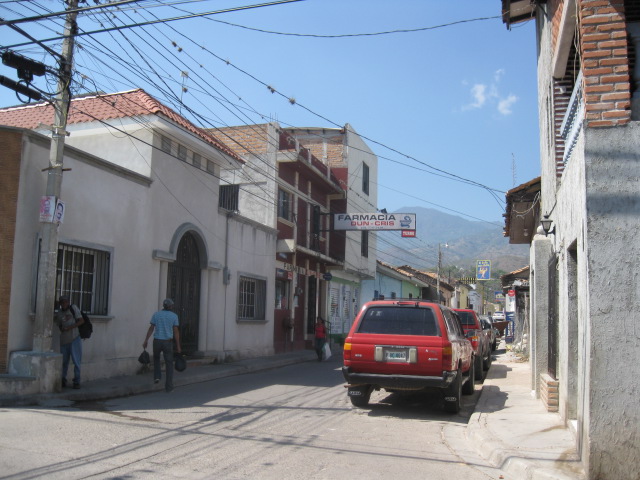
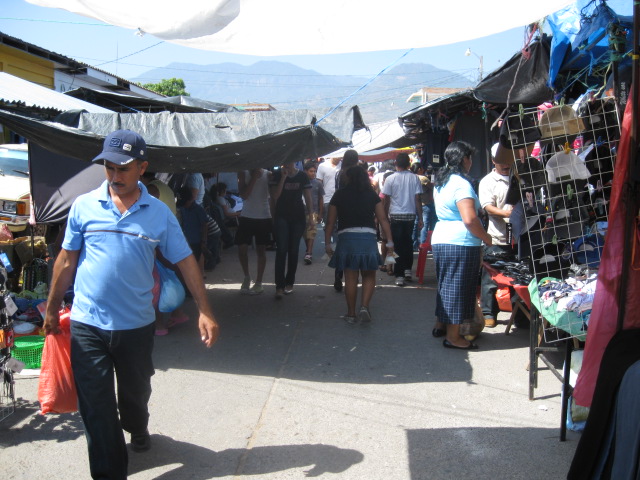
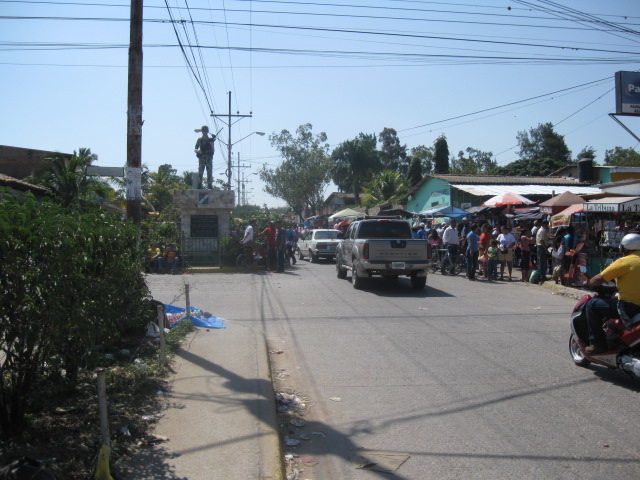
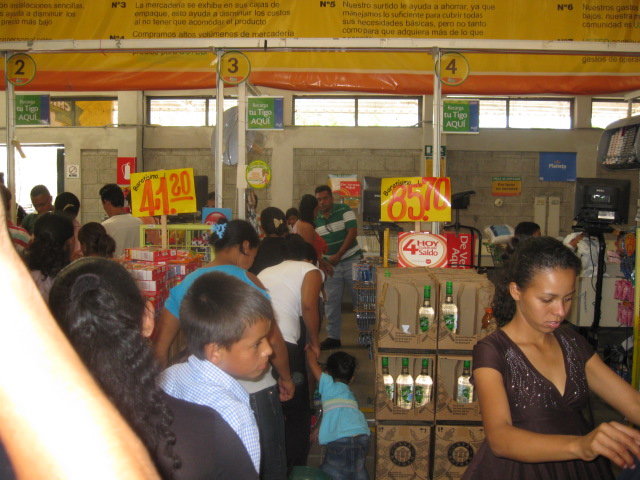
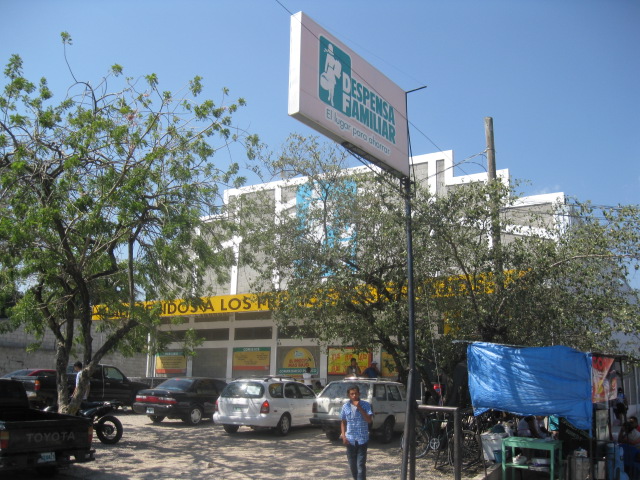
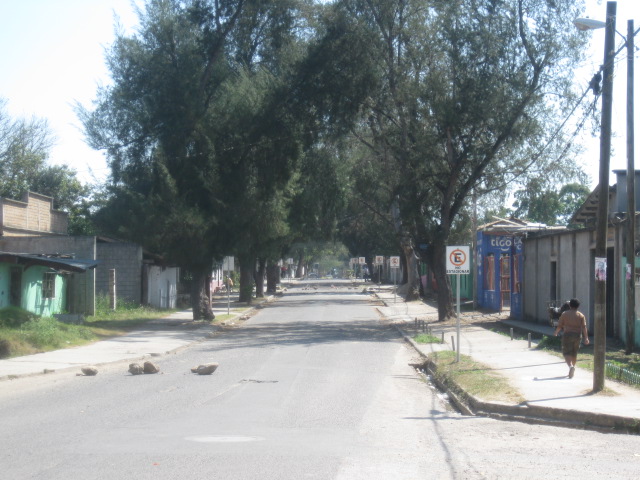
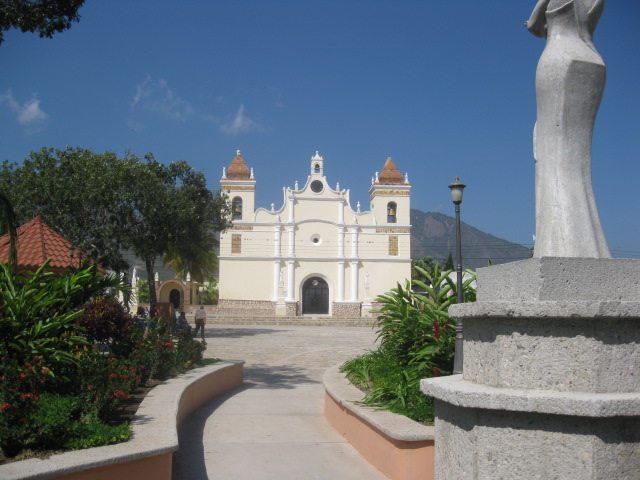
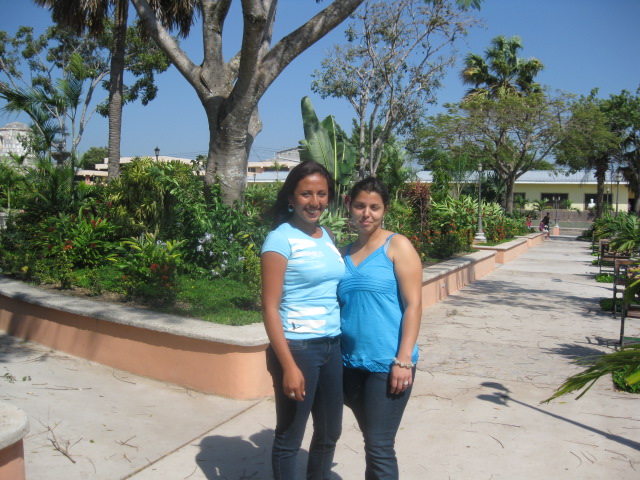
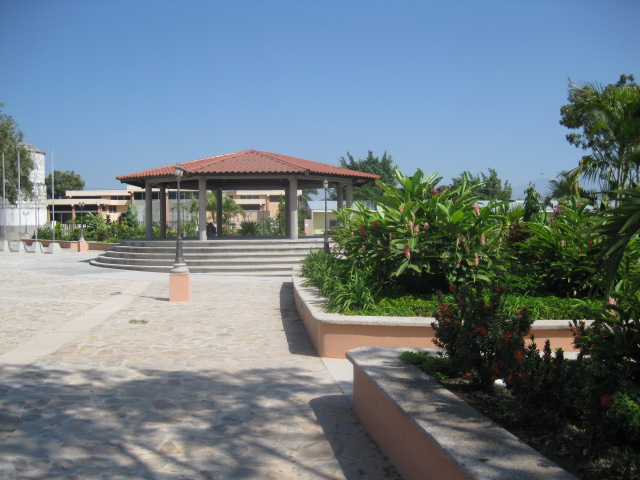
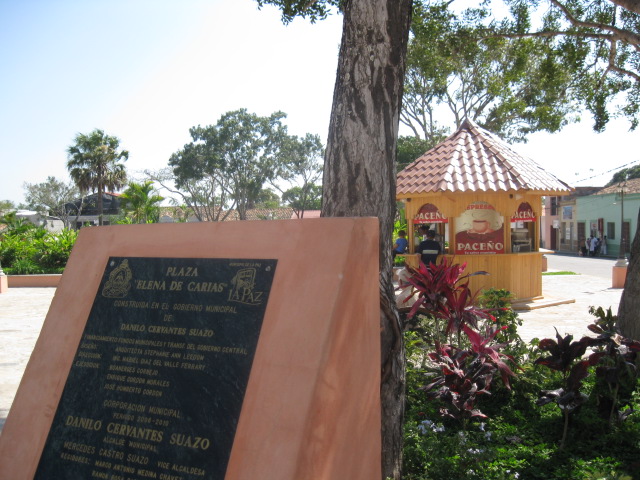
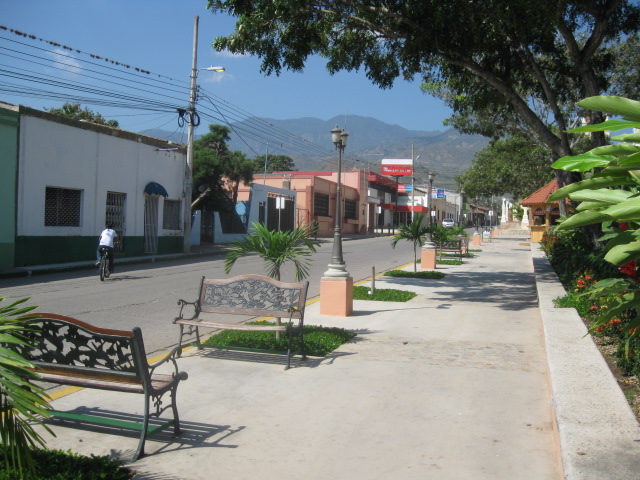
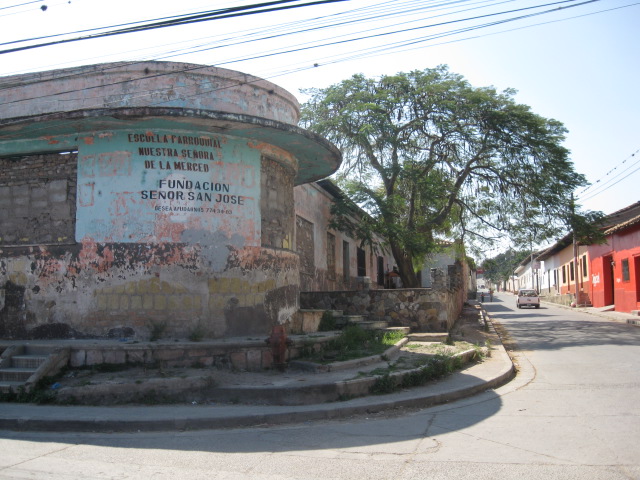
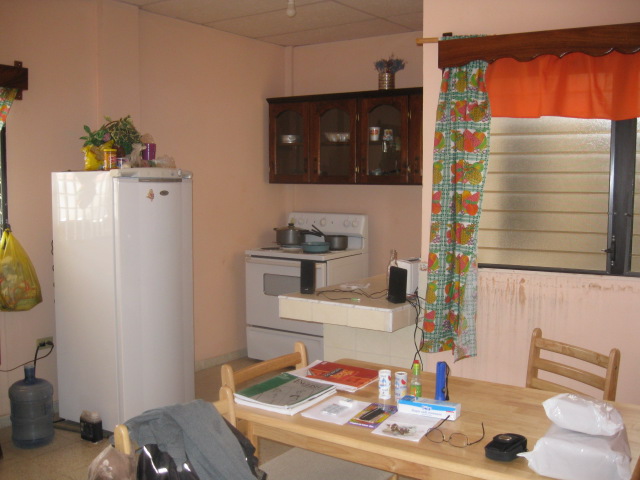
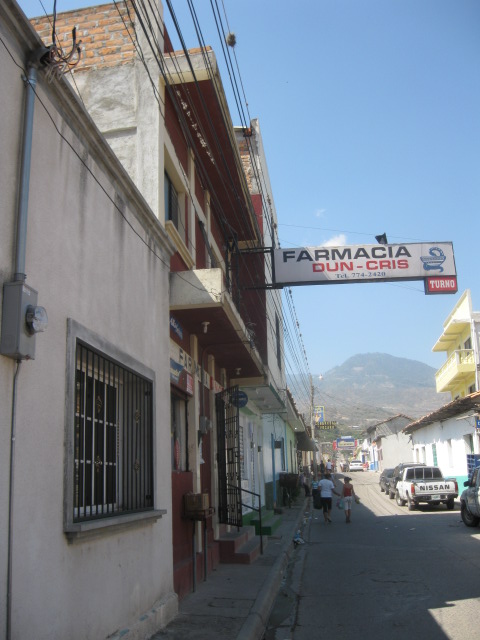
This is where I live: La Paz, La Paz, Honduras.  From the bottom right photos I’m going to take you on a walk to the grocery store from my new apartment.  After 11 months in-country I finally have my own two-bedroom, two-bath unit with a kitchen and 24/7 running water.  Not common in the country’s smaller communities where most PCVs live.  I live on the second story of the Pharmacy you see on your left.  I also have access to the roof where I’m going to plant a garden.  We turn left when we exit my building and walk down two blocks where the Fundacion Senor San Jose is located; the children’s home where I spend many hours.  Like most Hispanic countries I have visited, like Spain, Portugal and Mexico, the homes here look almost nondescript from the outside.  But once you cross their front portal the interior living spaces are built around large flower-filled spaces: like the Hogar San Jose where we are growing a large garden and are raising chickens.  Our tour will have us walk in a large square through the center of town making right turns all the way until we arrive back at my place.  At the Plaza Central across from the alcaldia and the church there is a coffee kiosk.  Nearby I meet a couple of my friends, Carmen and Marla, colleagues from Jovenes Sin Fronteras who had just finished an HIV/AIDS lecture at a school visible in their background on the other side of the park.  We walk down Calle de los Pinos and make a right turn towards the Despensa, one of 4 small supermarkets in the city.  When we leave the grocery store we make a right turn at the El Soldado traffic circle and enter the Mercado, a crowded place several blocks long where one can find just about anything edible or wearable.  Which brings us back on the same street, the Calle de Comercio, to home where unfortunately the raucous market sounds sometimes don’t die down until evening.  On this wonderful Sunday the weather is balmy and the cloudless blue sky a picture of perfection, so who cares.

2010

Back home in Seattle I eat organic.  Madison Market on Capitol Hill where I live is practically my second home.  A local member cooperative, they provide food grown by organic farmers in the Puget Sound area, a welcome outlet from the unhealthy, chemically contaminated foodstuffs sold by national food merchants like Safeway, Albertsons, Fred Meyers and Krogers, among other US chains.  Here in Honduras I have no choice.  There are four small supermercados here in La Paz where I live that have most of the required basics I need to survive, however one is never certain of the origin and quality of the available food.  Especially in our first weeks of training, dependent on host families for our sustenance, one is at the mercy of what is provided.  One is consequently forced to change one’s eating habits.  Hence the small can of potted meat I had purchased months ago, Spam, something I would never have thought of consuming back home.  I opened the disgusting mess on December 28th to make myself a sandwich and after forcing a few mouthfuls I bit into a small piece of unseen bone that the dentist told me afterward sliced in between my wisdom tooth fracturing a filling and an adjacent three-tooth bridge fracturing the porcelain.  It has taken that long to address the damage because approval (over the New Year holiday) for the bridge repair had to come from Washington DC.  Yesterday, Saturday morning, the broken filling was finally repaired and an impression made to construct a new bridge.  I was fitted with a temporary plastic bridge until my new one can be made in Guatemala.  What a painful way to start the new year.

Feliz Navidad IV!!!!

christmas-at-luzs-with-cubanos-009.jpgchristmas-at-luzs-with-cubanos-002.jpgchristmas-at-luzs-with-cubanos-004.jpgchristmas-at-luzs-with-cubanos-017.jpgchristmas-at-luzs-with-cubanos-010.jpgchristmas-at-luzs-with-cubanos-021.jpgchristmas-at-luzs-with-cubanos-011.jpgchristmas-at-luzs-with-cubanos-007.jpgchristmas-at-luzs-with-cubanos-013.jpgchristmas-at-luzs-with-cubanos-024.jpg

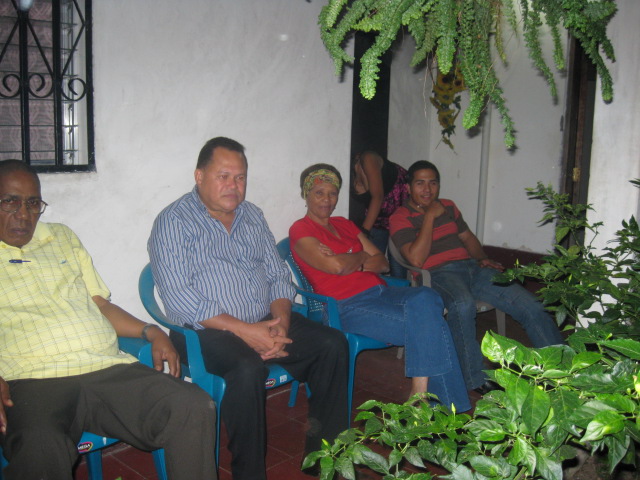
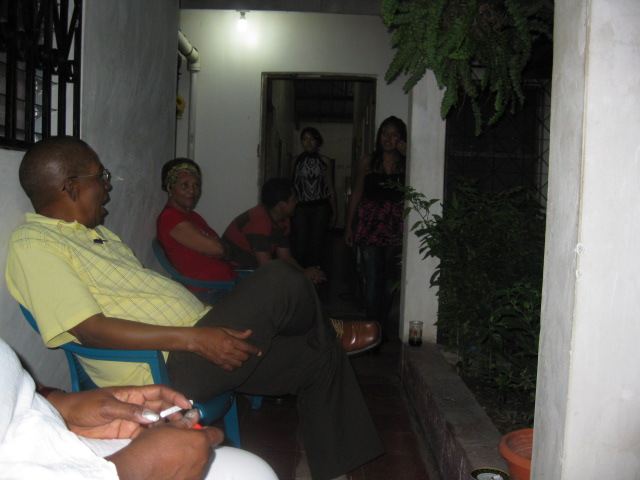
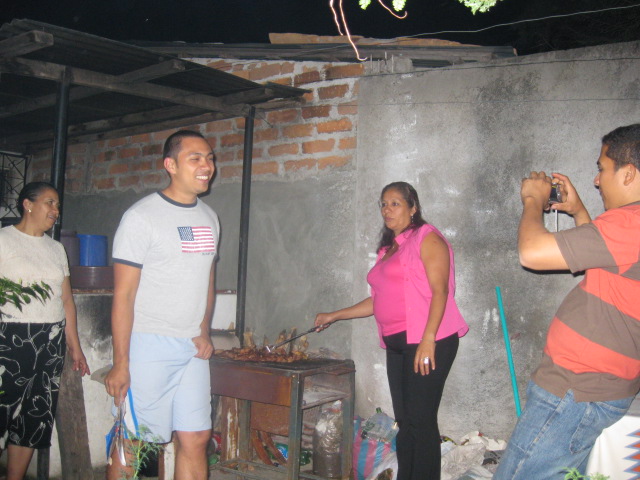
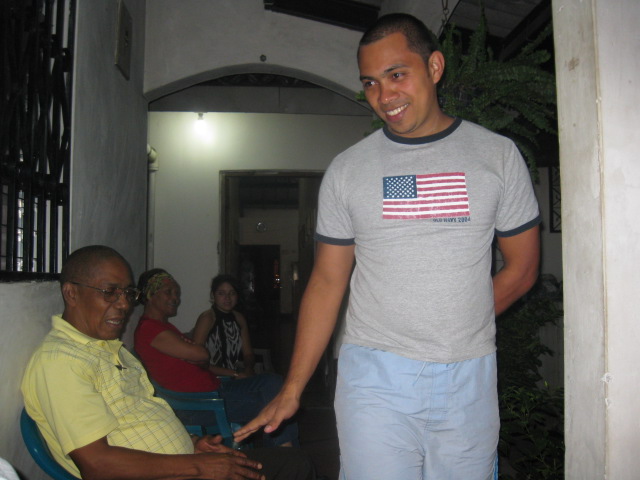
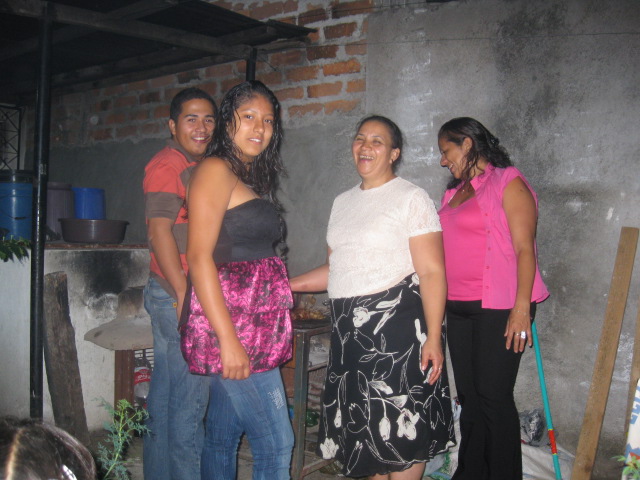
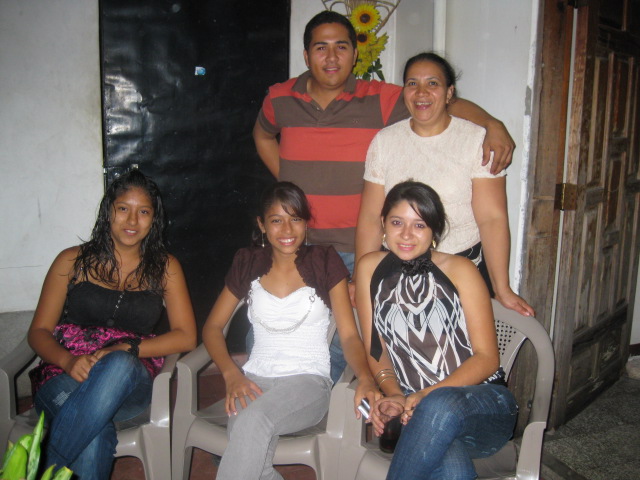
The husband of the host family where I have been living since my reassignment in August from the North Coast is named Fredy (first picture, top left).  His mother died Sunday.  For this Cuban celebration of his birthday and  Christmas Day there was no music.  But we did gather to give thanks for another year past and for the hope of a better year forward.  Those of a religious bent also gave thanks to their spiritual deity.  We were all thankful that the family’s son, Fredy Jr. (USA flag on his chest), was home from his medical studies in Cuba for the holidays.  He graduates next year.  The lady in the hot pink blouse at the barbeque pit, Nixia, Luz’s sister, is a teacher and wants the world to know that she is an available single mother of three daughters (bottom right picture).  Luz is my host mother and in the same bottom picture with her youngest son, Chico.  Dr. Durades in the yellow shirt, a surgeon, helped with the cooking.  And Caterin, the little pixie, is shown opening the gift I gave her.  And I give my personal thanks to Gaea and Grandfather for having allowed me to be here in the company of friends who have provided me sustenance in a land I have grown to love.

Feliz Navidad III!!!

christmas-n-andreas-gifts-2009-at-orfanato-001.jpgchristmas-n-andreas-gifts-2009-at-orfanato-007.jpgchristmas-n-andreas-gifts-2009-at-orfanato-002.jpgchristmas-n-andreas-gifts-2009-at-orfanato-009.jpgchristmas-n-andreas-gifts-2009-at-orfanato-013.jpgchristmas-n-andreas-gifts-2009-at-orfanato-008.jpgchristmas-n-andreas-gifts-2009-at-orfanato-011.jpgchristmas-n-andreas-gifts-2009-at-orfanato-004.jpgchristmas-n-andreas-gifts-2009-at-orfanato-022.jpgchristmas-n-andreas-gifts-2009-at-orfanato-021.jpgchristmas-n-andreas-gifts-2009-at-orfanato-020.jpgchristmas-n-andreas-gifts-2009-at-orfanato-024.jpg

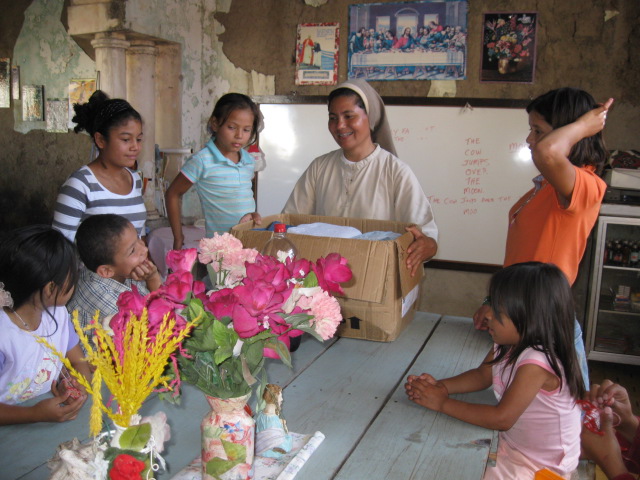
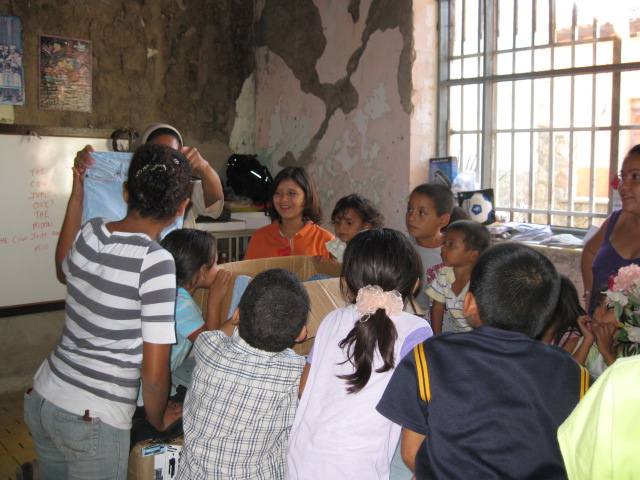
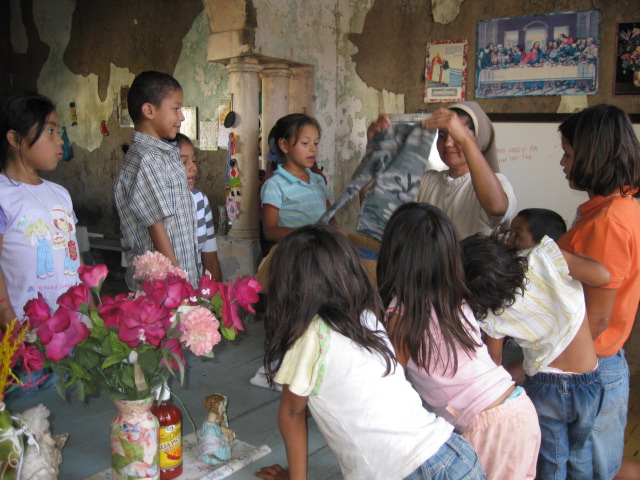
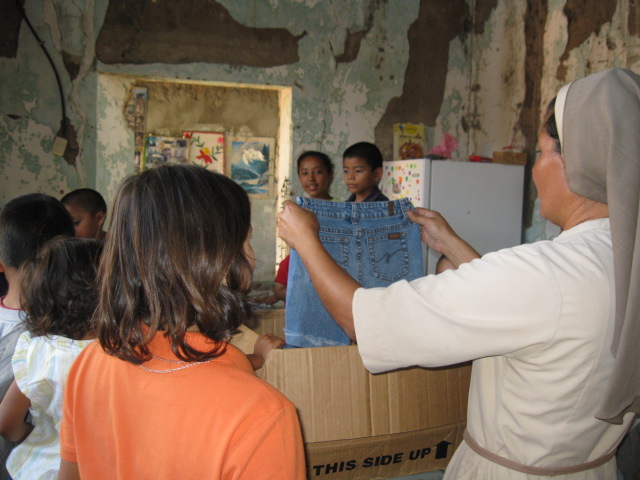
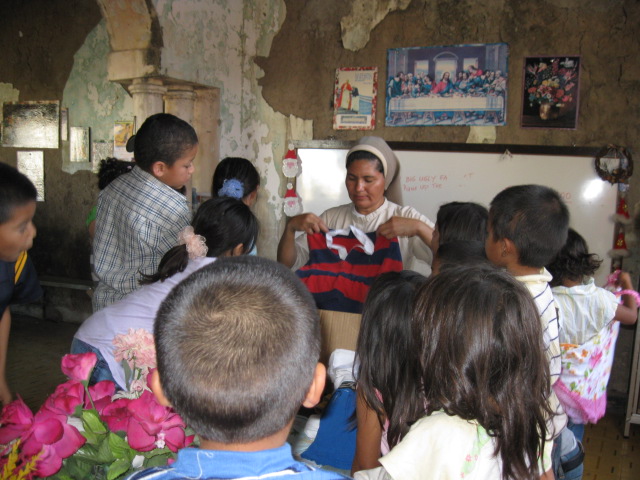
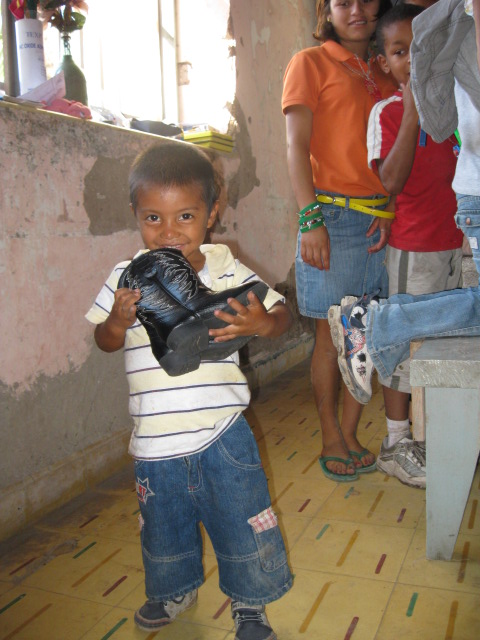
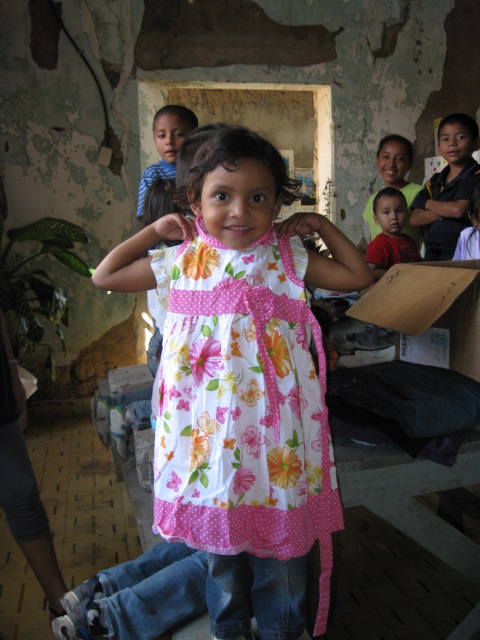
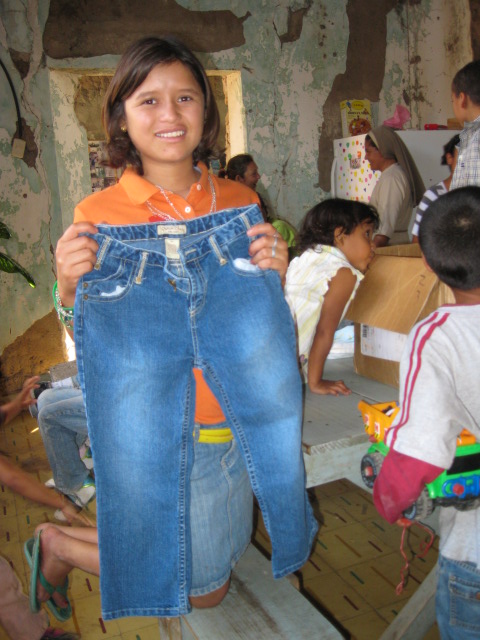
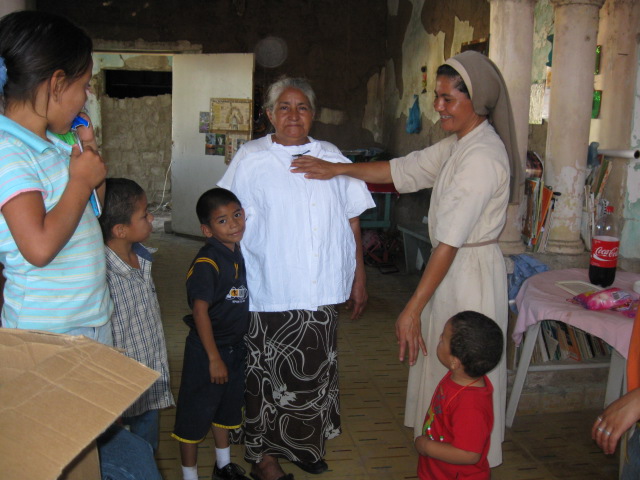
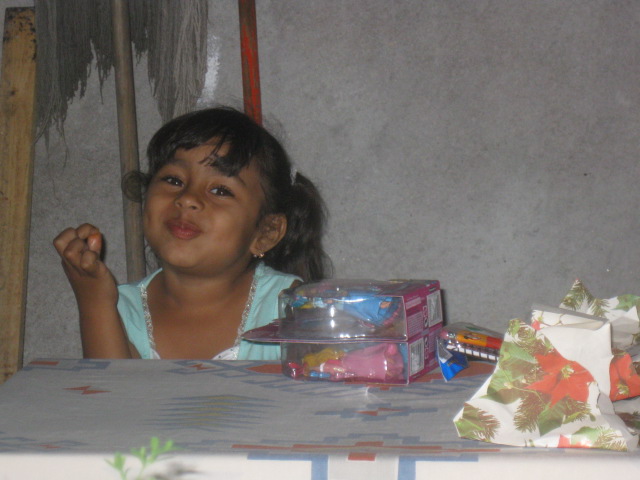
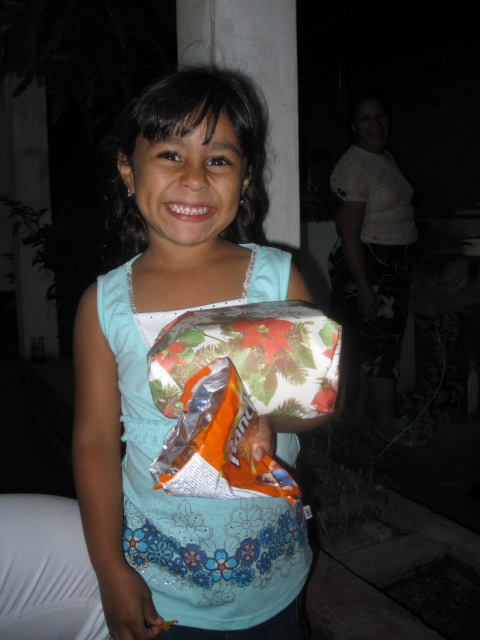
Today, Christmas Eve, I took the two boxes of clothing donated by my daughter Andrea and her co-workers Pam Schorman and Jennie Lorenz who work at Seattle Genetics to the orphanage.  I arrived in the morning to give my usual twice a week English class to the three oldest children.  Afterward, while the nacatamales were cooking, I transplanted some tomato seedlings into the garden.  After all the children ate, we opened the two boxes of clothing.  Everyone received clean wearable items including one each for Sister Edith’s mom and dad and her twin sisters.  Tonight my host family is hosting a birthday/Christmas dinner for the husband of the house, Fredy, with the Cuban doctors as guests who are cooking a traditional Cuban dish called Congri.  As well as nacatamales, of course.  Tomorrow, Christmas Day, I will return to the orfanato in the evening to watch a Christmas movie with the kids.  I cannot express the feelings I have in my heart for having been welcomed into the bosom of these wonderful Honduran folk who have unconditionally accepted me into their lives.