About My Work

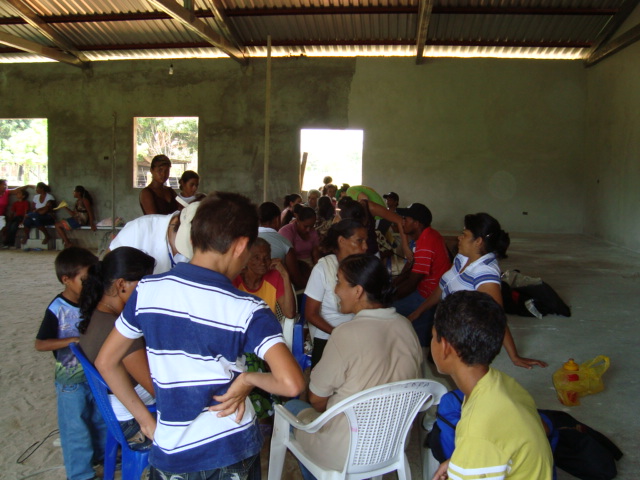
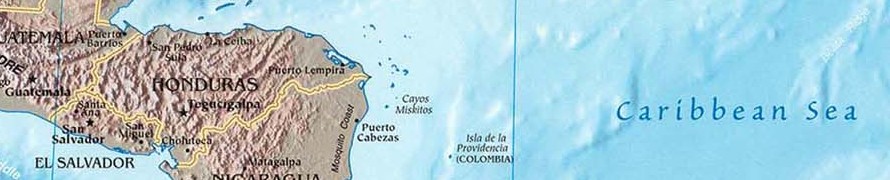
I was assigned to La Masica as a member of a Peace Corps health project to address the education and prevention of HIV/AIDS and Maternal and Child Health.  Towards that end I have involved myself with the local Centro de Salud and have gone out to the aldeas with a health team to provide health care and education and to give talks to groups, as well as going out with the Jovenes Sin Fronteras to youth workshops aimed at condom education and risk recognition.  I had not yet started to develop a weekly HIV curriculum at the local colegio with one of the instructors but I had involved myself with weekly HIV support groups at the Hospital Regional Atlantida in La Ceiba.  In addition I had made contact with other HIV prevention groups through my work at the hospital.  Two weeks ago I made a trip up to an aldea called El Recreo to observe the JSFs give a cineforo presentation to the entire small village: A DVD about HIV/AIDS on a local television held in a communal hall with an oral presentation and discussion afterward.  I also accompanied the local school instructor to one of his classes and observed the teaching method and curriculum.  He and several other instructors who go to these mountain villages are funded by an ONG (Non Governmental Program) called SAT (Tutorial Learning System) by which the students earn a colegio diploma.  This week I met the Executive Director of SAT in La Ceiba and learned that they have these rural educational programs in 12 of Honduras’ 18 departamentos.  This week I also met the staff of the La Ceiba Red Cross who do HIV/AIDS education and outreach using the same methodology as the Jovenes Sin Fronteras.  Next Tuesday I will be going to a 3-day Micro-Business workshop developed specifically for people living with HIV/AIDS, accompanied by three Honduran counterparts.  Then when I return to La Masica I will be transferred to another part of the country to begin anew similar contacts that I have developed here on the North Coast over the past two months, with the goal of integrating myself into the community to which I will be transferred.  I was just beginning my work here and now I have to go.

Trujillo

weekend-in-trujillo-176.jpgweekend-in-trujillo-174.jpgweekend-in-trujillo-160.jpgweekend-in-trujillo-153.jpgweekend-in-trujillo-148.jpgweekend-in-trujillo-159.jpgweekend-in-trujillo-146.jpgweekend-in-trujillo-119.jpg

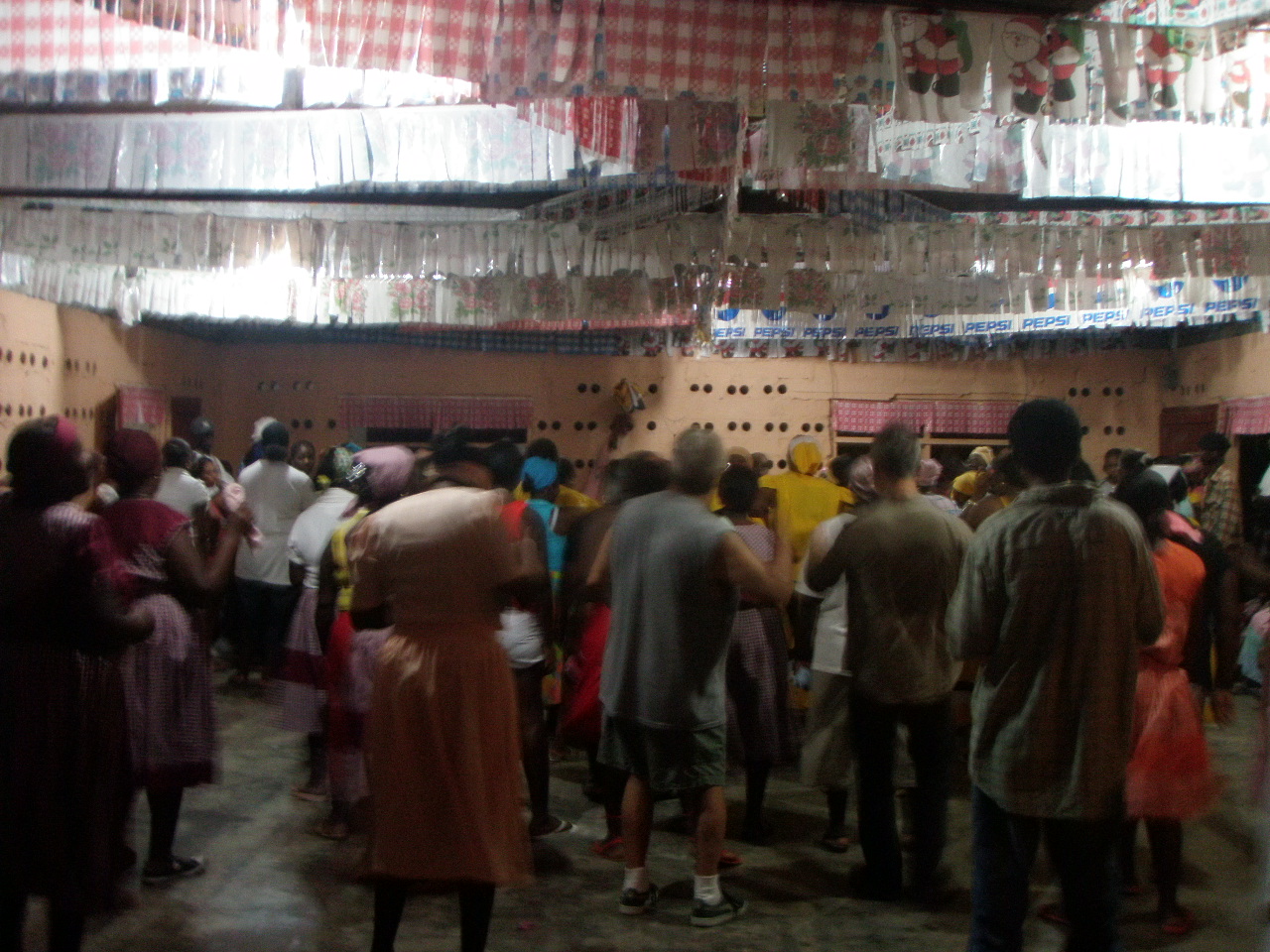
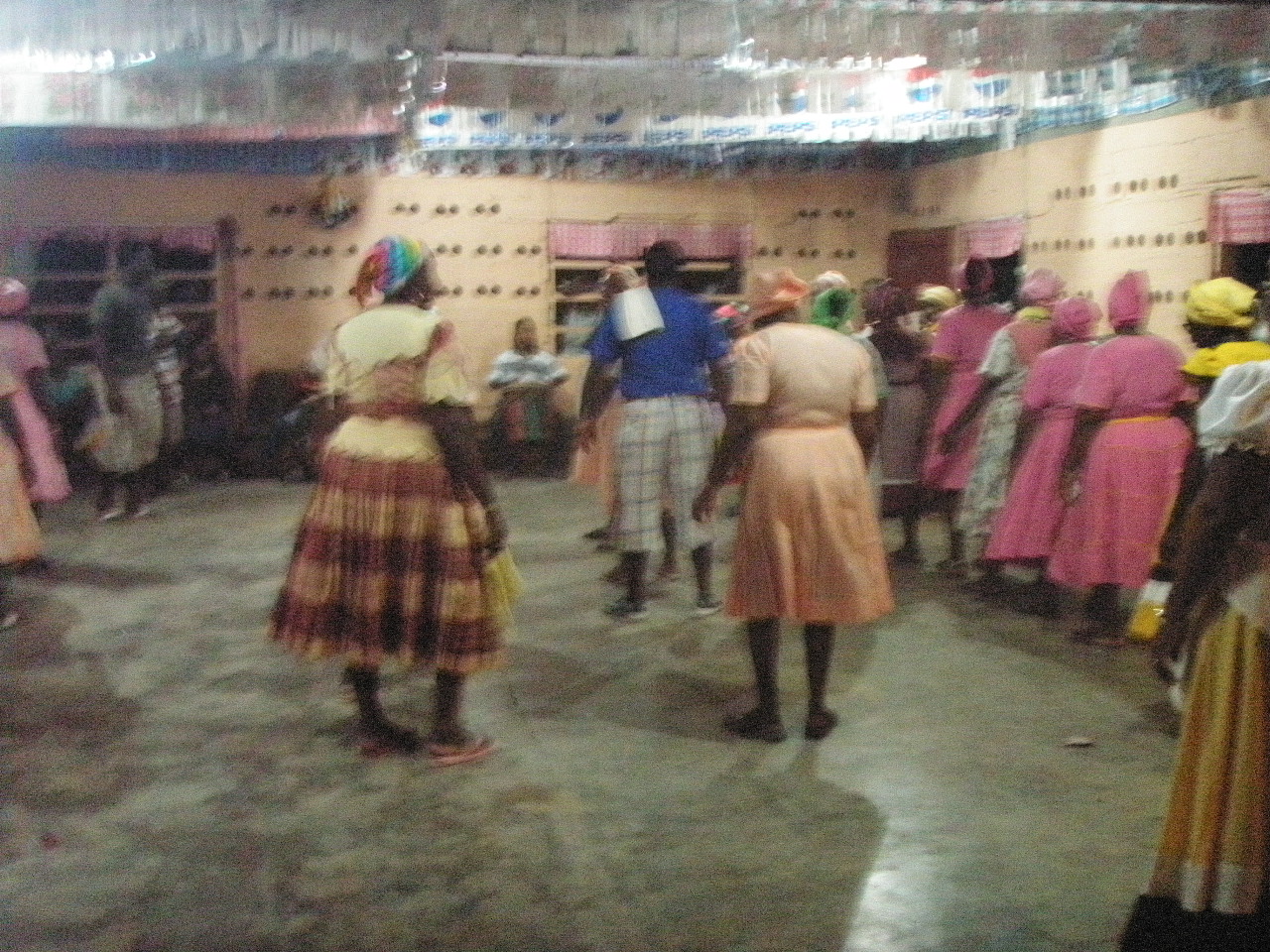
I spent the weekend of July 18th in Trujillo.  If I am going to be transferred from the north coast I had to visit one of the premier sites in Honduras.  Trujillo is where Cristobal Colon stepped onto the American mainland for his first and only time in 1502, also his last voyage to the new world.  This is where my friend Jen is posted.  It took me five hours to get there because of two road blocks due to the political unrest.  It’s normally a two and a half hour trip.  Fernando and Linda are posted to Santa Fe, a small Garifuna village a short distance from Trujillo.  We spent the weekend at a grand Garifuna fiesta dancing and eating and drinking.  My last night there I had dinner with Jen and her host family at a restaurant on the beach.  Jen graciously transferred her pics from her camera to my memory card and I transferred them to my computer’s hard drive.  I sure miss my stolen camera.

Adios, La Masica

I was notified by the Country Director last Tuesday, July 14th, that I was going to be transferred from La Masica due to an assessment made by Peace Corps Administration that the North Coast had become a security risk for PCVs because of narco-traficante activity in the area.  The North Coast of Honduras is viewed as a major narco-corridor for the movement of drugs from Colombia to Mexico to the U.S.; especially since Mexico has cracked down on the drug cartels in recent months.  The present volatile political situation in Honduras hasn’t helped.  Bad news seems to come in a torrent.  This week I also learned that three of my fellow PCVs had chosen to take an ET (early termination) from service.  Derrick, Annie and Lindsay are going home.  Of our original Health Project group of fifteen only eight of us remain.  I don’t know to where in Honduras I will be transferred, but I will find out in a couple of weeks.  It is so sad because I have made great friends here in La Masica and my two months of work were just beginning to come to fruition.

Olanchito

Honduras is geographically composed of 18 departamentos.  Kind of similar to ‘states’ in los estados norteamericanos.  I live in el departamento de Atlantida.  This weekend I went to the small city of Olanchito (40K) in the departamento de Yoro which borders Atlantida inland, about two hours by bus into the mountains from La Ceiba.  Two of our companeros had birthdays where ten of us north coast volunteers posted to sites in Yoro, Atlantida y Colon gathered to celebrate in style.  Jenn, Jill, Leala, Fernando, Iljeen, Mateo, Katie, Rebecca, Linda – all 20-somethings – and me, participated in a ritual as old as mankind, although they didn’t know that.  Our diverse group of ethnic hispanic, african, caucasian, asian, men and women norteamericanos from New York, New Jersey, Chicago, Seattle, and Maine came together like moths to a flame to be among our own kind.  For the first time in my life I experienced the feeling of being an “American.”  Our language, our culture, our slang, our idioms, our music, our recognition of self, exploded in my head like nothing had ever done before: not even when I was a soldier in the military.  It was a recognition of being unique; of being ‘us.’  I love my country.  I am proud of my country.  I am glad to be in Honduras as a representative of my country.  I will never forget my fellow Peace Corps Volunteers; our most noble of citizens.

4th of July 2009

I spent the holiday in La Ceiba with four of my companeros; Rebecca, Jill, Matt and Iljeen.  For hours we sat on the beach and laughed and talked and drank beer.  I rented a hotel room on the beach for $7.50.  The others shared a room and paid only $3.75 each.  What a great day and night we had.  No tourists in sight.  The beach deserted.  We had it all to ourselves; the fantastic restaurants with the fabulous views of the Caribbean waves rolling onto the sand at sunset, the wonderful tropical ambience.  There is no better way to spend an American holiday than with friends from home in an exotic locale.  We didn’t want it to end.  We’re making plans to go to Cayos Cochinos for a long weekend.

Home to La Masica

My Peace Corps E-Zone Coordinator told me last night that I could leave La Ceiba this morning, that the political situation appeared to have calmed down somewhat.  I took a taxi to the bus terminal about 10AM and climbed aboard an express busito bound for La Masica.  A busito is a modern, air-conditioned 15-20 passenger mini-bus, as opposed to the larger, cheaper yellow “chicken” buses used by most commute passengers.  The chicken buses are essentially old, used, converted American school buses pressed into commuter service.  As soon as the busito reached the first bridge out of town across the Rio Danto we came to a dead stop.  A large crowd of yelling demonstrators had blocked the roadway and the vehicular bridge traffic in both directions came to a halt.  Our busito driver promptly plunged the bus down a dirt road to the water where he drove against the shallow current passing taxis and other cars stuck in the sand trying to also cross to the other side.  We, however, made it.  It was like something out of Indiana Jones.  We emerged under the bridge on the other side of the river and made it up to the pavement, got back on the highway and made it home.  Our normally 30 minute trip took us 2 hours.  If I had taken a “chicken” bus I would still be in La Ceiba tonight.  When I got home I discovered that a workman who had been painting my room when I left stole my digital camera while I was gone for 5 days.  He actually stole it the first day I left.  No pictures for a while.

Military Coup

The week started out innocuous enough.  My assistant program manager came to La Masica for a routine site visit on Wednesday.  I had developed a respiratory problem due to the room in which I had been housed; I moved out, and the assistant program manager told me to call the Peace Corps Medical Officer.  On Thursday the PCMO told me to go to the Hospital DÁntoni in Ceiba if the problem persisted.  On Friday I packed my toothbrush and one change of underwear and came into Ceiba to see the ER doc.  Xrays and blood work determined that my body had not been permanently damaged but that my lungs were inflammed.  The ER doc ordered me to receive twice-a-day corticosteroid inhalation therapy treatments as well as oral steroid and IM meds for three days so I had to remain in Ceiba until Monday morning, in a hotel.  At 6AM Sunday morning President Zelaya was secuestered by the country´s military and spirited out of the country to Costa Rica from where he announced that he was taken at gunpoint from his official residence in his pajamas and threatened with death.  His wife was in hiding in the mountains.  Everything in Ceiba and all over the country shut down.  Of course I didn´t bring my camera to be able to film all the people gathered in the streets around the Ceiba Palacio Nacional shouting and yelling in protest.  The army posted soldiers all around the angry demonstrators.  The army imposed a curfew last night from 9PM to 6AM.  This morning, Monday, I went to the hospital for my last inhalation therapy treatment.  All Peace Corps Volunteers were notified last night by the Peace Corps Country Director to stay where we are until Tuesday morning at 8AM.  I´m still at the hotel and I am going downtown today to buy some underwear and another shirt.

Boca Cerrada aldea

boca-cerrada-aldea-almost-june-19-2009-031.jpgboca-cerrada-aldea-almost-june-19-2009-029.jpgboca-cerrada-aldea-almost-june-19-2009-025.jpgboca-cerrada-aldea-almost-june-19-2009-027.jpgboca-cerrada-aldea-almost-june-19-2009-026.jpgboca-cerrada-aldea-almost-june-19-2009-021.jpgboca-cerrada-aldea-almost-june-19-2009-020.jpgboca-cerrada-aldea-almost-june-19-2009-015.jpgboca-cerrada-aldea-almost-june-19-2009-012.jpgboca-cerrada-aldea-almost-june-19-2009-010.jpgboca-cerrada-aldea-almost-june-19-2009-005.jpgboca-cerrada-aldea-almost-june-19-2009-003.jpg

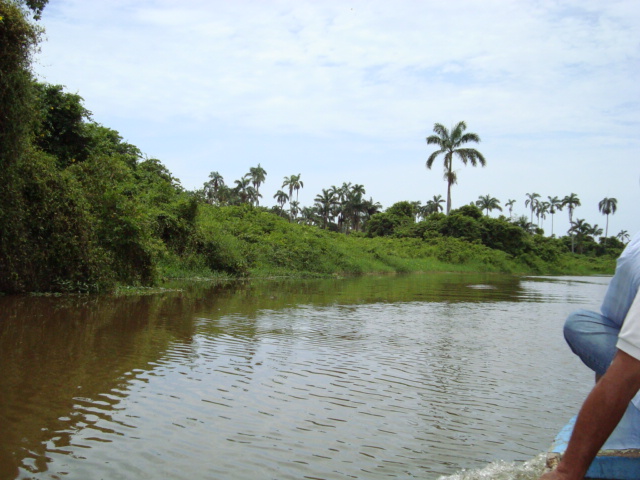
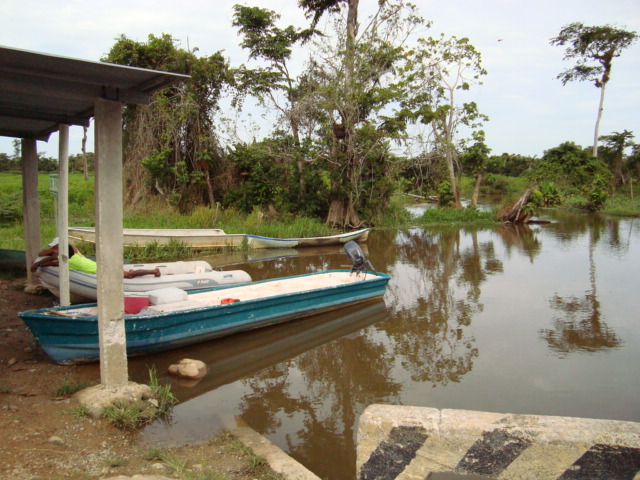
We didn’t make it all the way to the Boca Cerrada aldea.  Following the photos from the bottom right shows our embarcation point from an aldea called Tierra Firme, the jumping off point to Boca Cerrada.  We made our way down the estuary toward the sea and stopped at a large home where the alcalde and his regidores were having a cabilde abierto (La Masica’s mayor and city council were having an open council meeting.)  At which Jovenes sin Fronteras with myself in a supporting role were on the agenda.  After our presentation, four of us continued down the estuary to a wide spot in the water where we could reach the Caribbean Sea via a small hut that was lived in by several people, most of them children.  When we returned, our companeros were waiting for us and we loaded up for the return trip, my JSF colleagues Delia and Araceli and I posed for a photo before they loaded into the lancha with the waiting city council members.  On our trip in another lancha for us remaining we saw cranes, turtles, a manatee feeding at water’s edge and in the second-to-last picture a monkey barely visible near the bright spot on the right of the pic.  Click on the pic to see the black of its body.  The old dugout canoe in the final pic is something I would not set sail in, ever.

Jovenes sin Fronteras Reunion – Esparta

jsf-reunion-esparta-12-junio-2009-038.jpgjsf-reunion-esparta-12-junio-2009-022.jpgjsf-reunion-esparta-12-junio-2009-020.jpgjsf-reunion-esparta-12-junio-2009-016.jpgjsf-reunion-esparta-12-junio-2009-017.jpgjsf-reunion-esparta-12-junio-2009-011.jpgjsf-reunion-esparta-12-junio-2009-014.jpgjsf-reunion-esparta-12-junio-2009-003.jpg

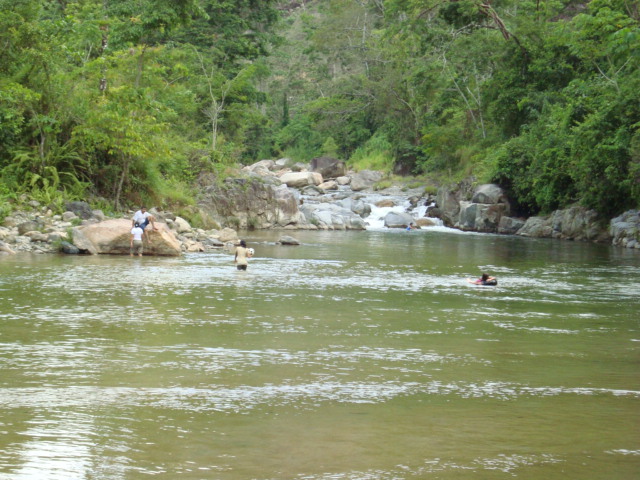
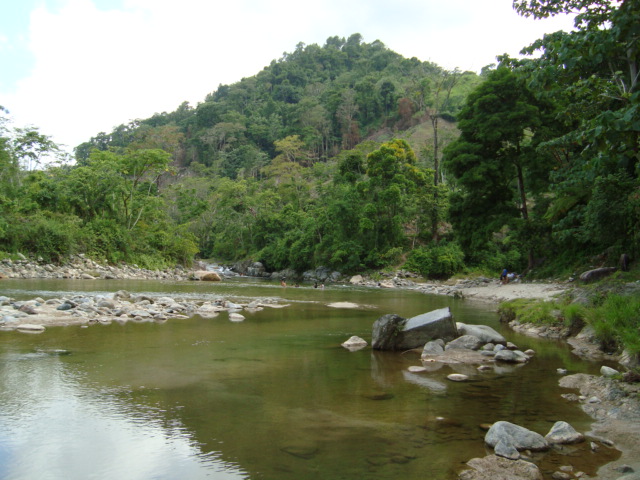
The north coast of Honduras is such a beautiful land.  Everywhere you look multiple shades of green fill the landscape.  Stands of coconut trees, banana, tamarind, mango, date, forests with trees I can’t identify and fields of pineapple stretch as far as the eye can see.  Several rivers, the Ulua, Lean, Cangrejal, Cuero, San Juan, Papaloteca and the Salado among them drain down onto the fertile coastal plain from the Nombre de Dios mountain chain with its tropical-forest clad, cloud-covered peaks as a backdrop.  I accompanied the youth group Jovenes sin Fronteras on a reunion, a learning retreat, to a riverside park on the San Juan River that was a wonder to behold.  Our learning objective was HIV/AIDS prevention demonstrating the proper use of condoms to ten youth who will teach others of their peers.  We had a great lunch on this beautiful Friday afternoon and played games to foster trust and self-esteem.

Los Indios aldea

los-indios-aldea-may-26-2009-015.jpglos-indios-aldea-may-26-2009-009.jpglos-indios-aldea-may-26-2009-001.jpglos-indios-aldea-may-26-2009-003.jpg

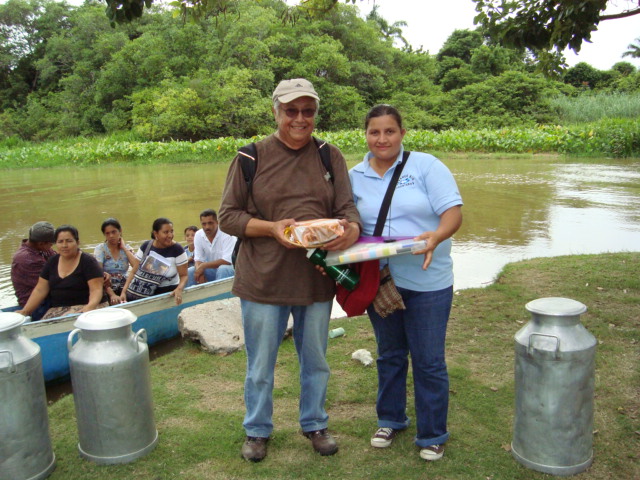
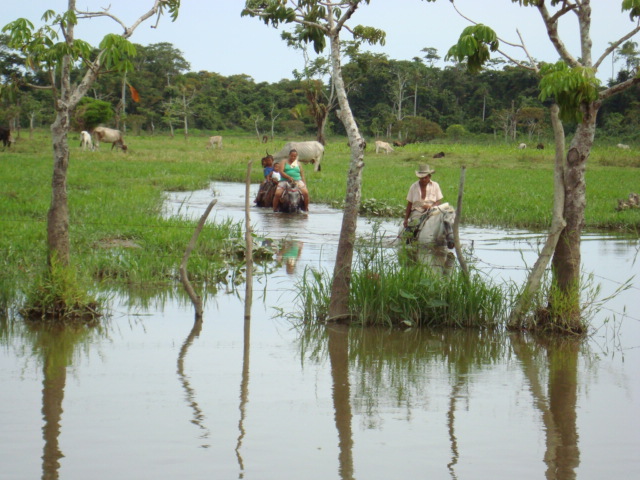
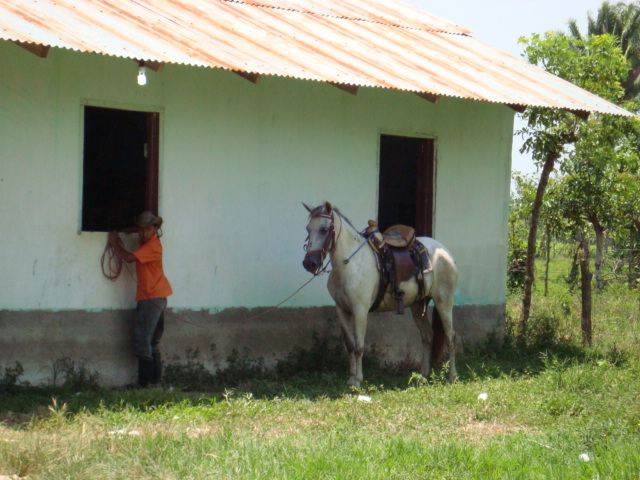
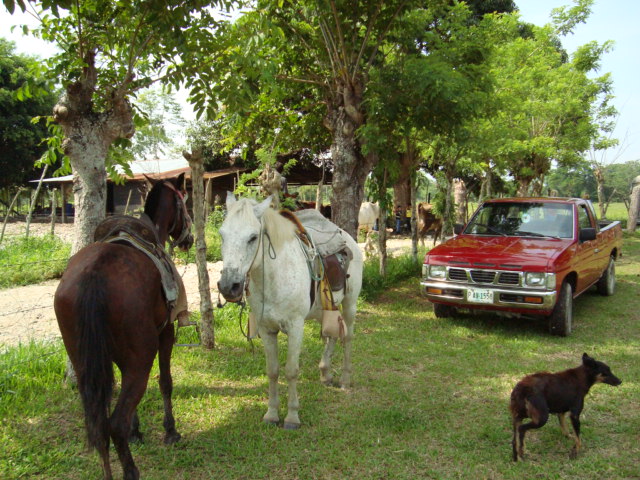
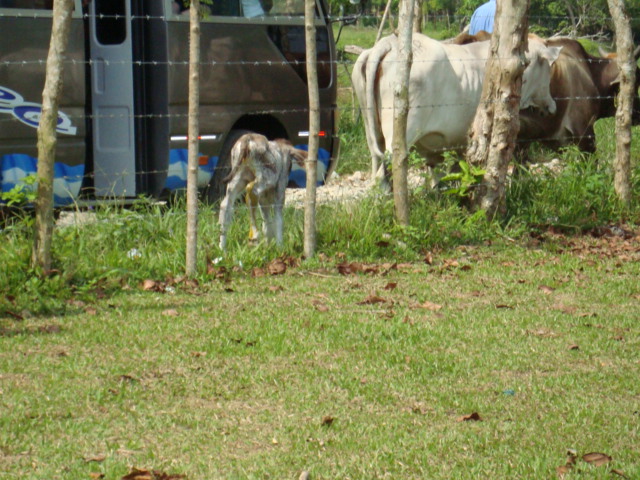
Two days before the earthquake our equipo of six from the La Masica Centro de Salud was at the aldea to provide Honduran support to a U.S medical evangelical brigada that provided two nurse practitioners, a small pharmacy, gifts, and a small U.S. support staff to screen patients who live far from any medical providers.  The brigada was in town for only a week and visited five different aldeas.  An aldea is a hamlet located far from populated areas, most with limited services.  The centro de salud in La Masica and the one in San Juan Pueblo can handle most of the chronic problems that presented, and with MDs, not FNPs, however a large number of persons showed up for the free medical care, free limited medications, and a gift for each member of the 50 chosen families whose size ranged from two to seven or so.  I originally started out as a translator but when the brigade found out I was an RN I was pressed into service doing triage and screening for the NPs who diagnosed and prescribed meds.  The photo on the left shows the triage building, next to that is a guy peeking into the small building where the NPs held court.  Most folk walked to the event, some rode horses.  The last pic on the right shows a newborn calf, still wet, walking by with its mother’s tiny herd.  Three small buildings constitute the center of this isolated rural community.