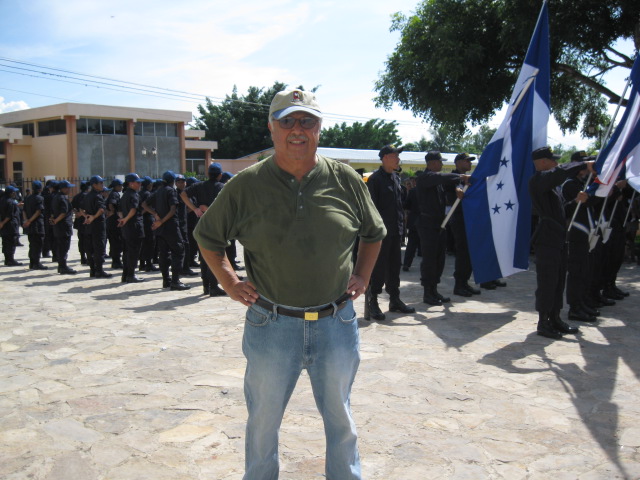
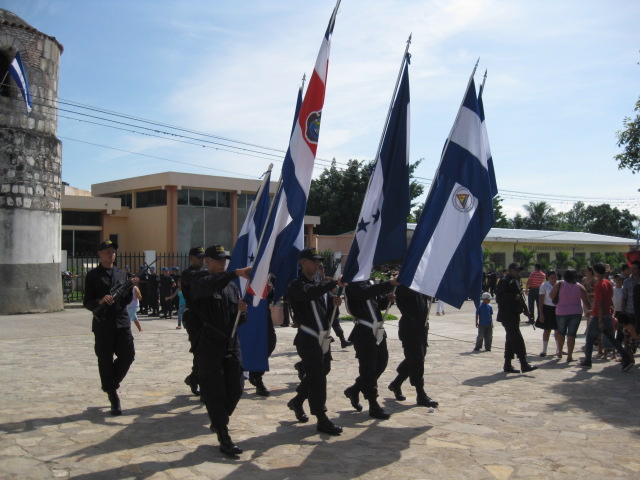
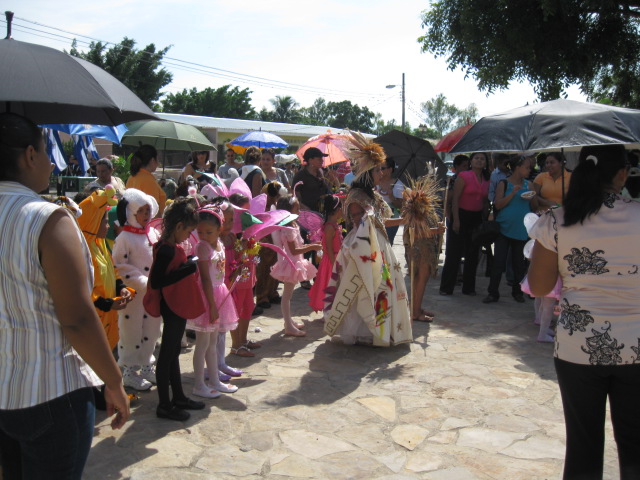
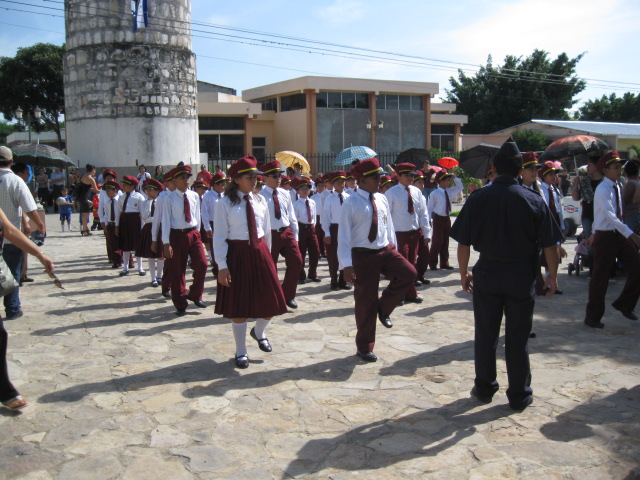
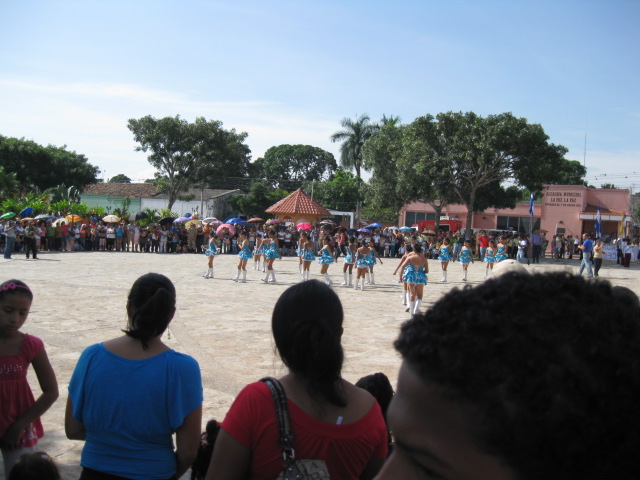
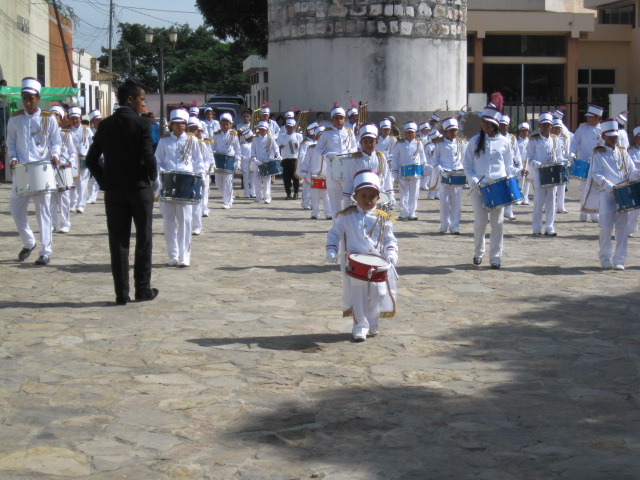
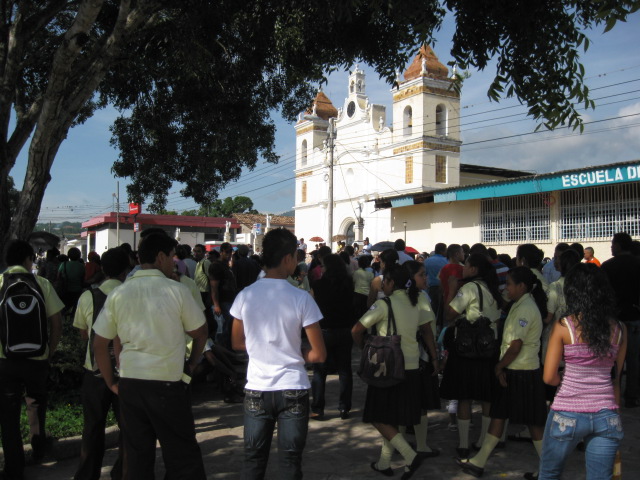
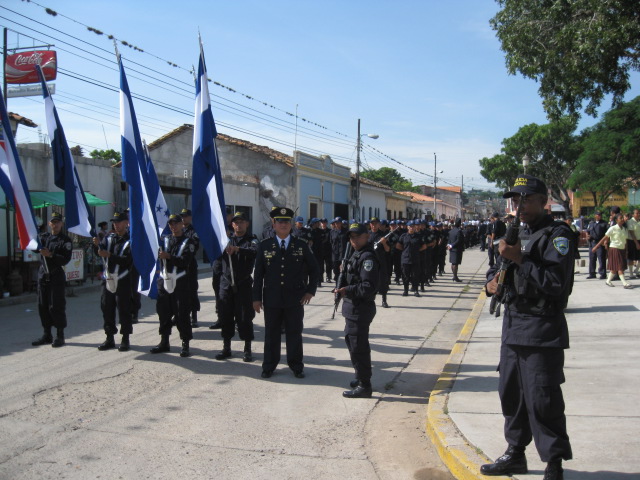
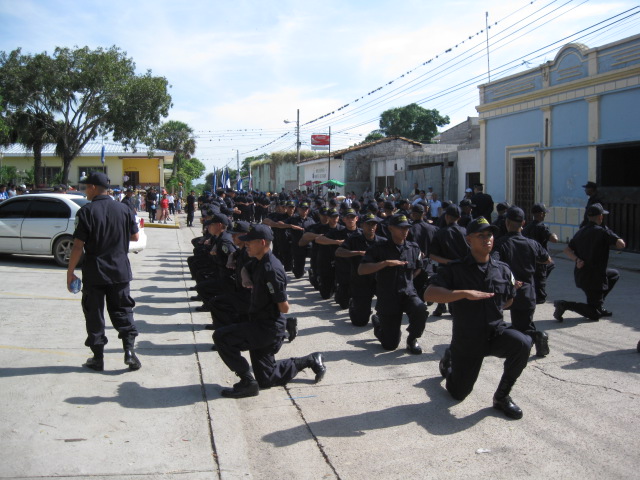
The pride in their national honor was evident and glowed in the faces of the huge crowd gathered in the Parque Central. The above 13 pics are a meager representation of the 72 photos I took to commemorate the day. I hope the pictures capture the infectious joy in the numerous bustling children dressed in their finest and marching in so many groups as the well-organized desfile performed and passed before the reviewing stand of local dignitaries and then continued through the town as it wound its way to the other city park several blocks away, the parade route lined with cheering citizens. The young men and women of the National Police Academy training facility in La Paz are an impressive sight. The celebratory spirit will be carried forth into the night. Myself? I have been invited to the orphanage this evening by Sister Edith to sup on nacatamales with the children.
Dia de Los Ninos
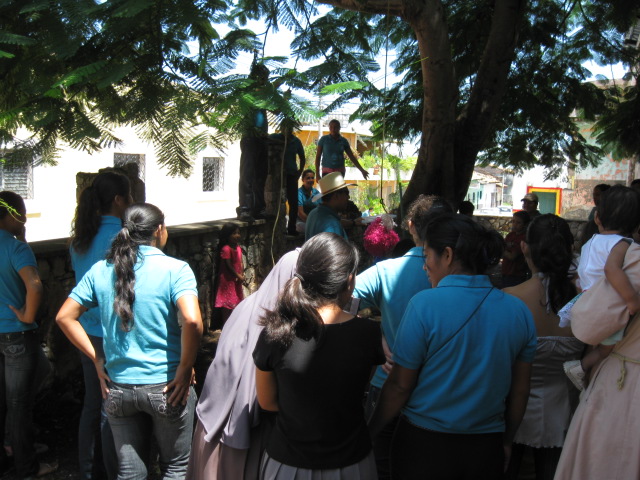
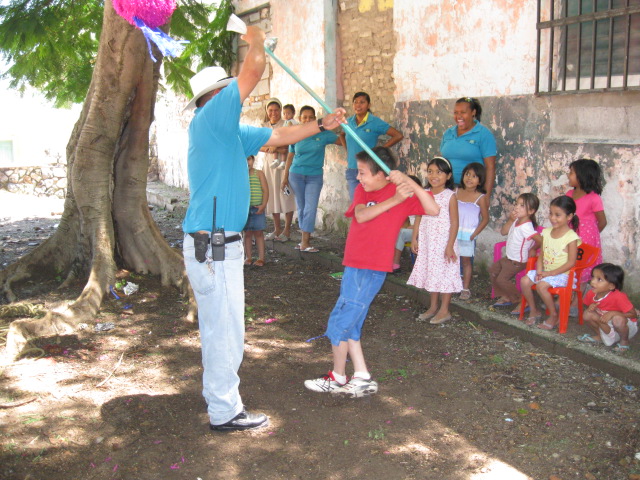
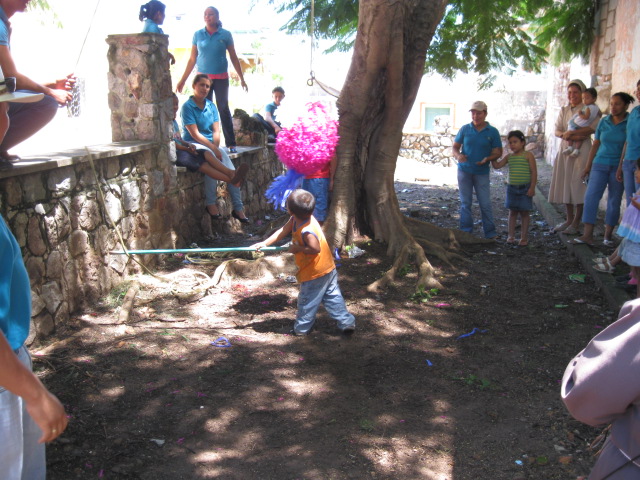
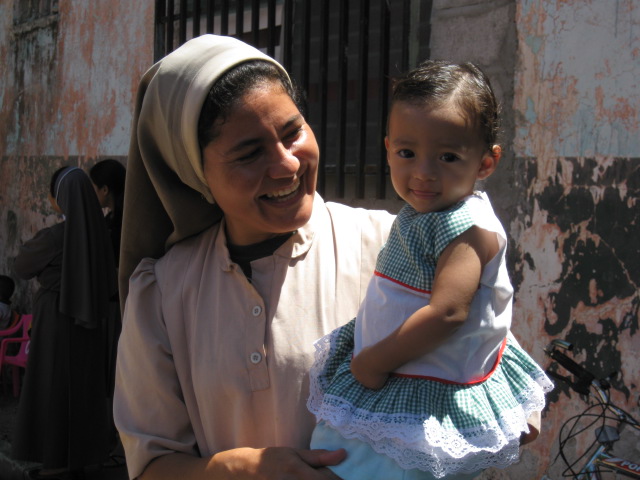
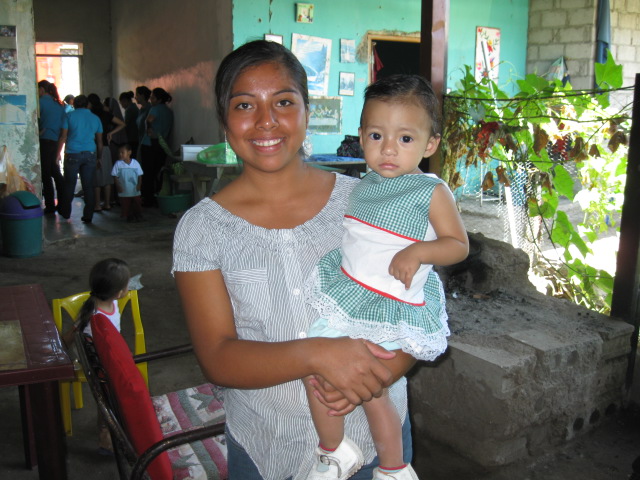
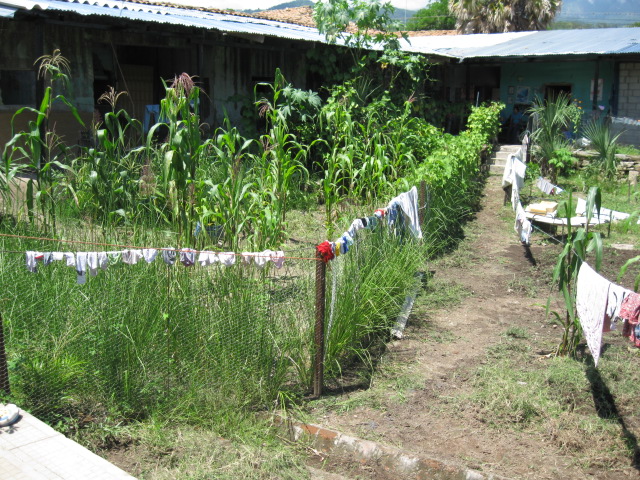
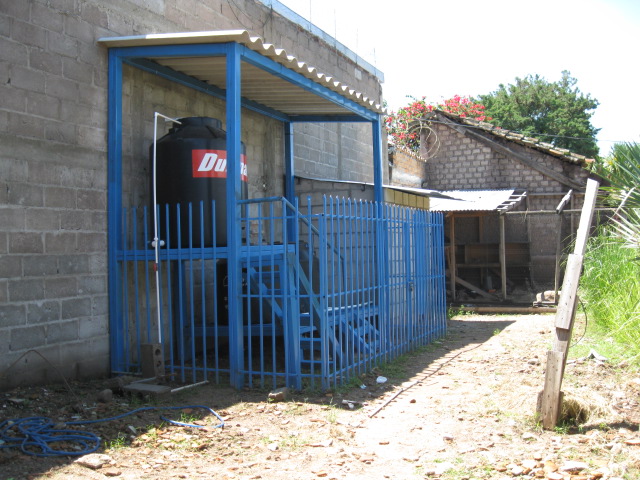
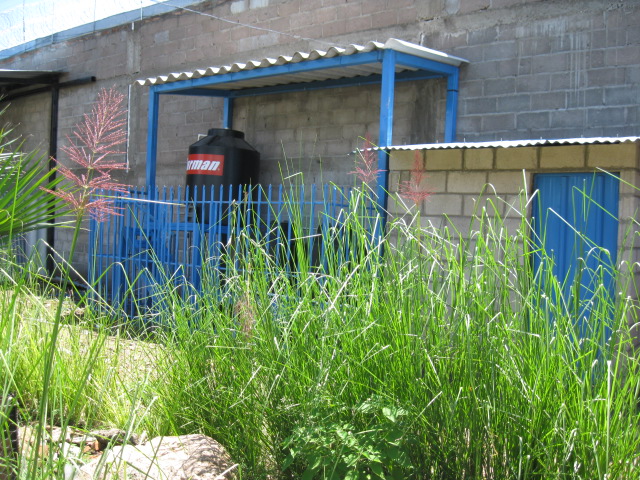
The Day of the Children is celebrated every September 10th over the entire country. The holiday also coincides with Honduran Independence Day on the 15th so it made for a very long and festive weekend this year. This Saturday a Distancia Bachillerato de Ciencias y Letras colegio program brought their students to the Hogar to ply the kids with a pinata, candy, dancing and food. The pictures also document the progress we have made at the Hogar San Jose as we continue to pursue the elusive personeria juridica that confers legal status on the Fundacion Senor San Jose. The President’s daughter was supposed to come visit the Hogar Saturday to provide her considerable political support and perhaps expedite the filing process but she never showed. Nonetheless we partied as if she were here.
Concepcion de Soluteca
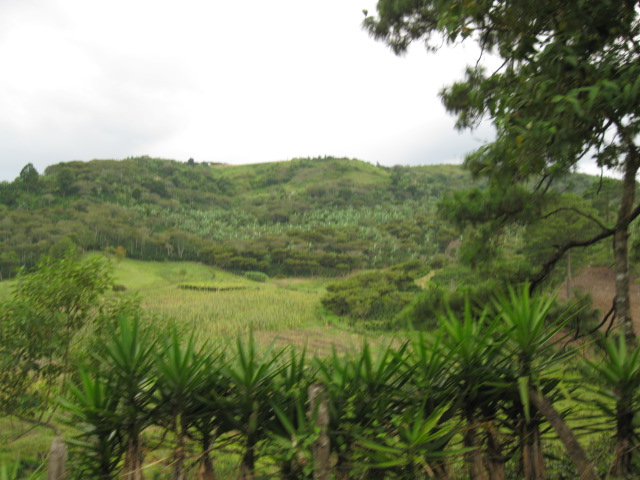
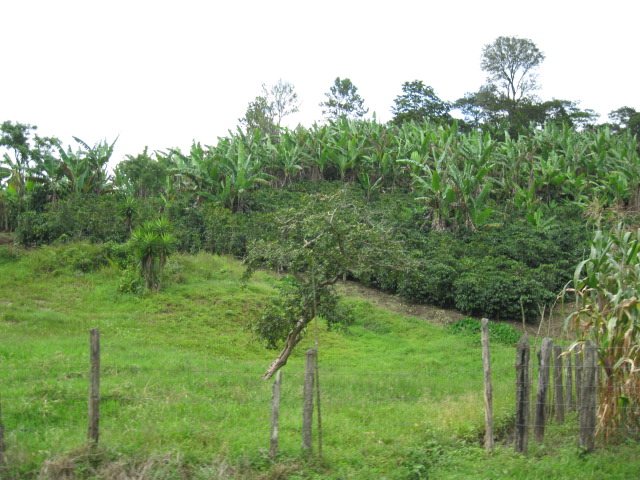
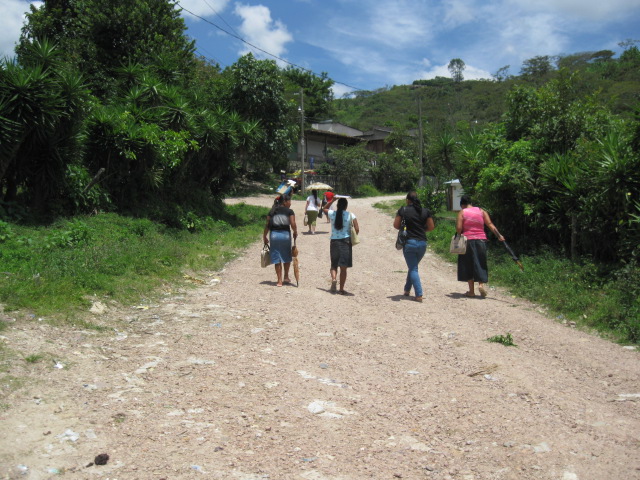
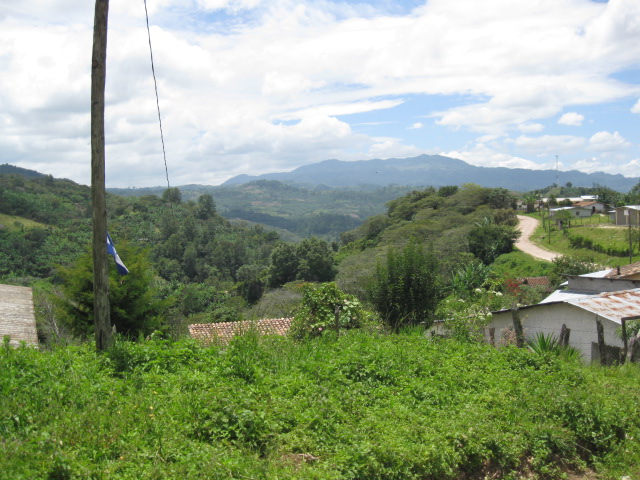
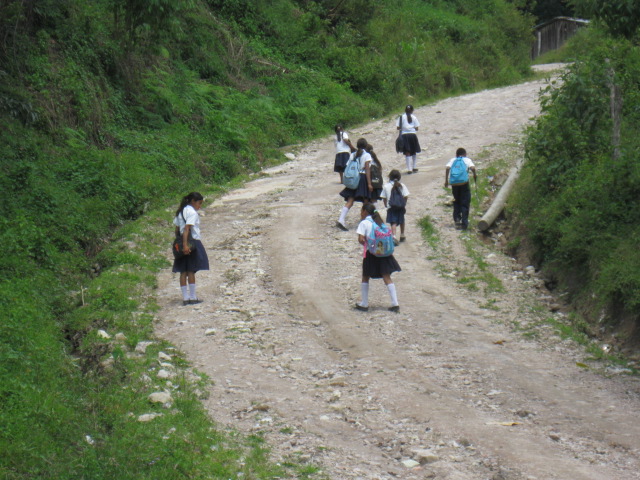
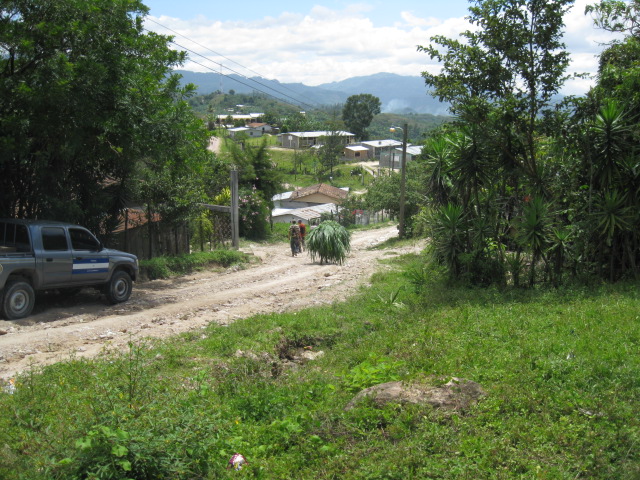
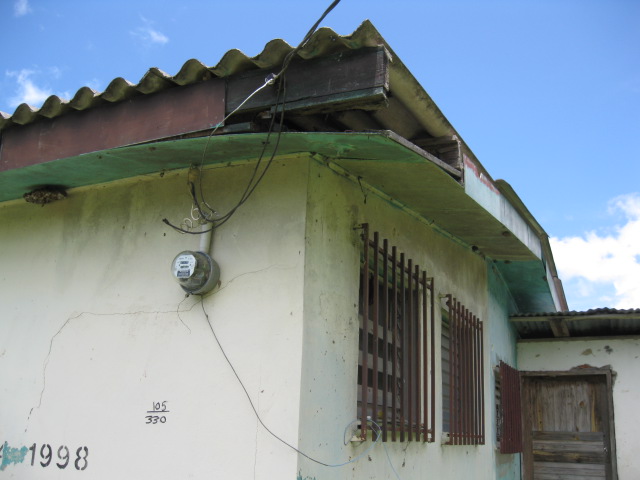
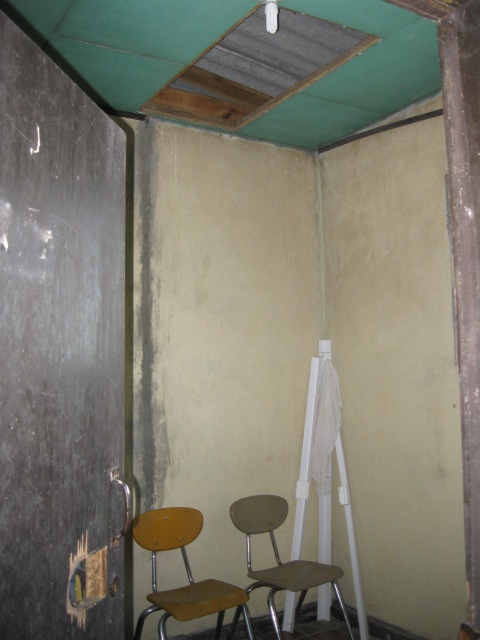
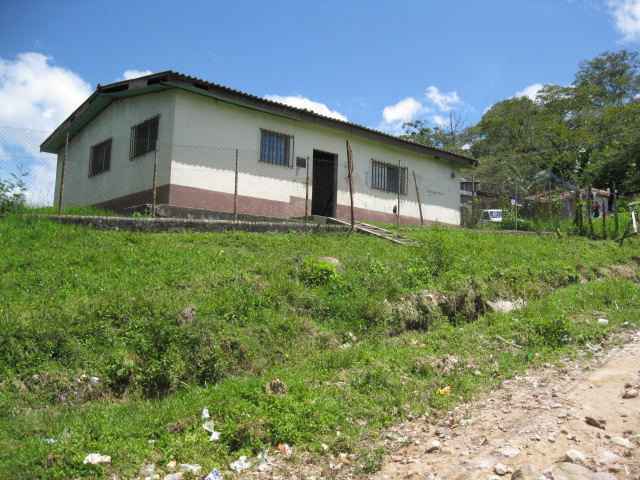
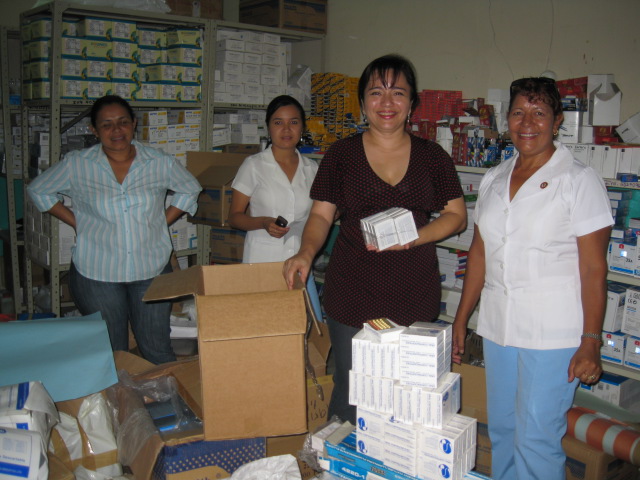
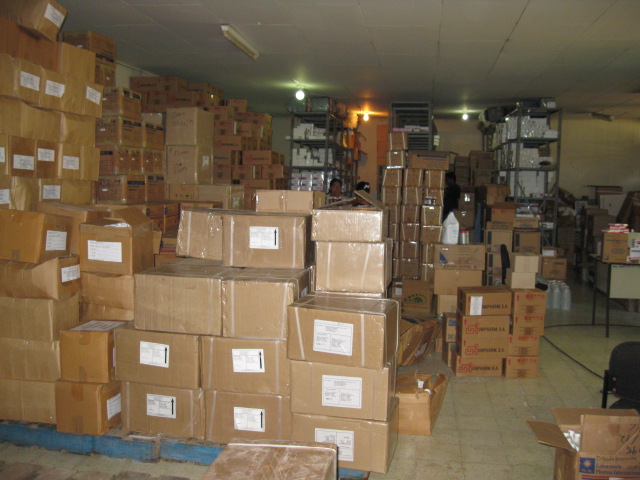
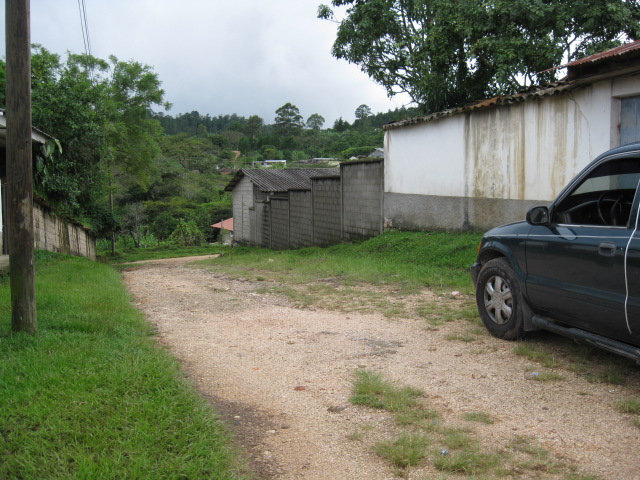
Coffee grows best in high, cool climates, like the mountaintop aldea of Concepcion de Soluteca a couple of thousand meters above La Paz where I live. My Public Health team and I traveled there on a supervision visit and to deliver medical supplies, including a brand-new autoclave for sterilizing surgical instruments. The clinic building, however, is in sad need of repair. The pic of the almacen (warehouse) in La Paz seemingly loaded with supplies has to service 60 aldeas and 17 municipios in the departamento, many with no reliable transport to their sites. The 3,000 plus folk who inhabit Concepcion de Soluteca live on a complex of mountain peaks packed to the gills with coffee fincas. The community has no paved roads and is reached by a long, gravel and rock, gut-busting roadway. It does have electricity, a kintergarten, primary school, and secondary school besides the health center manned by an auxiliary nurse, somewhat like an LVN. Indeed, when we left she was treating a machete wound that would need multiple stitches. The coffee bushes visible in the top left pics are planted around and under banana trees that provide the shade they need. As a result the farmers harvest two crops. Notice the paucity of native trees and the cleared forest. Tomorrow we travel to an even more isolated aldea called Naranjo.
New Neighbor
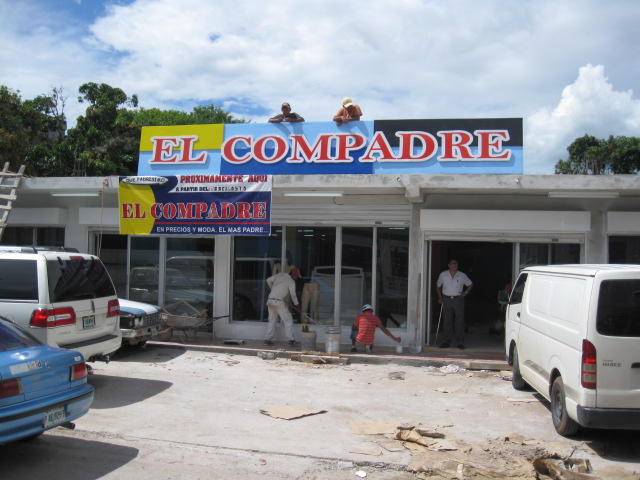
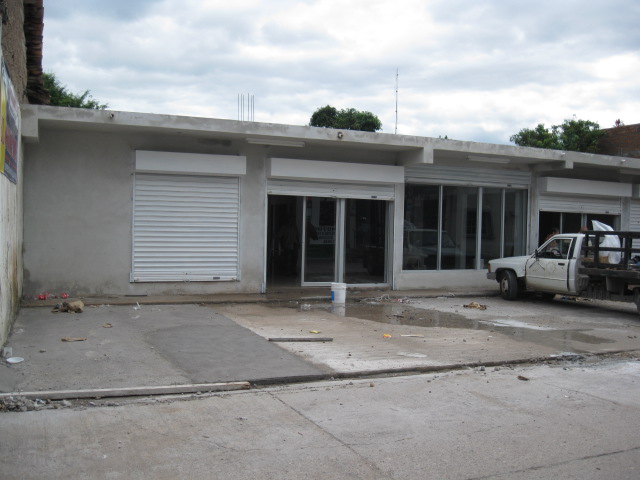
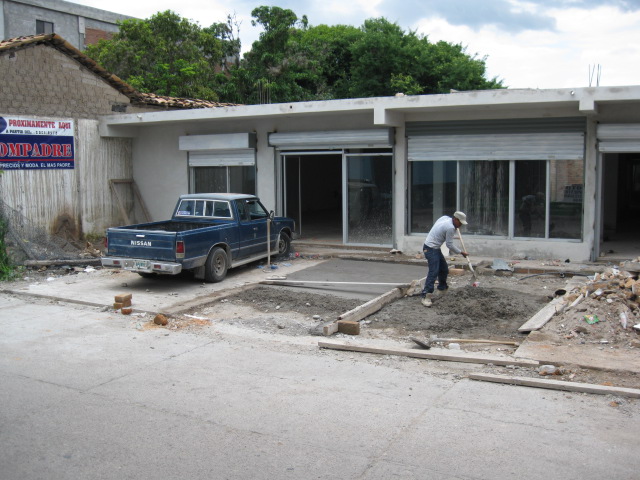
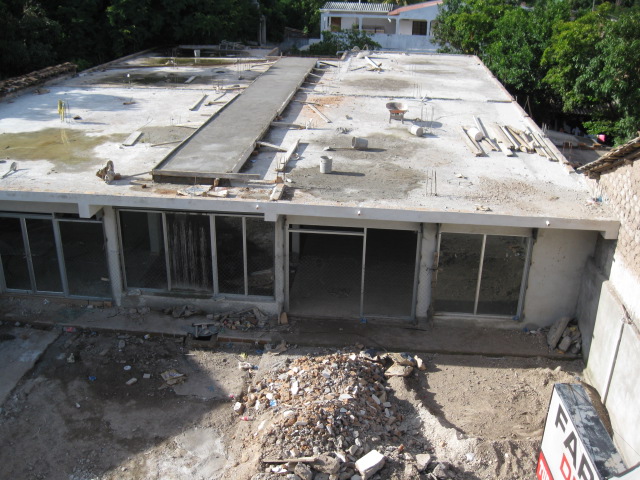
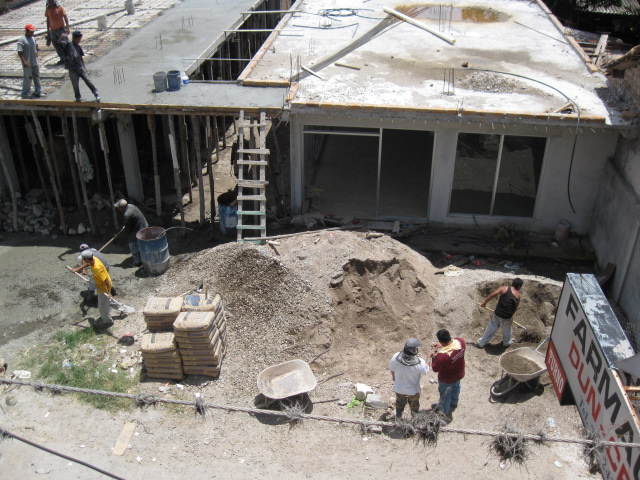
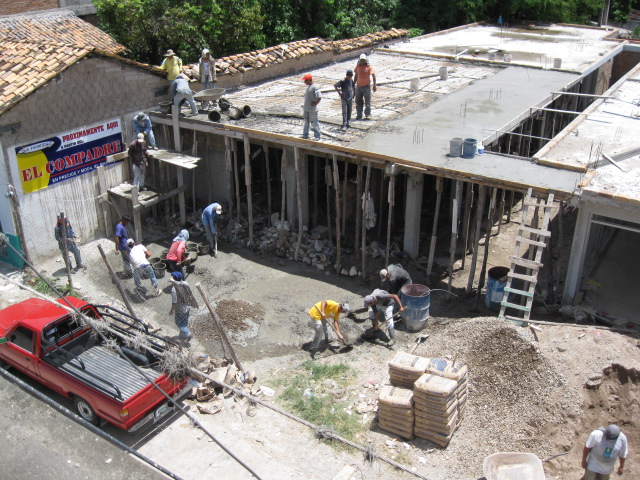
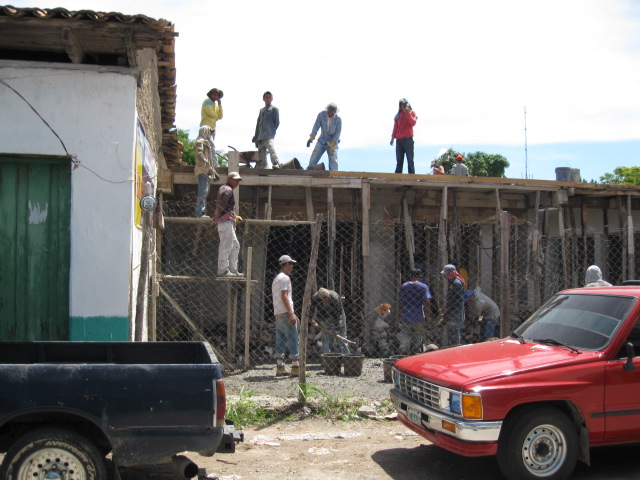
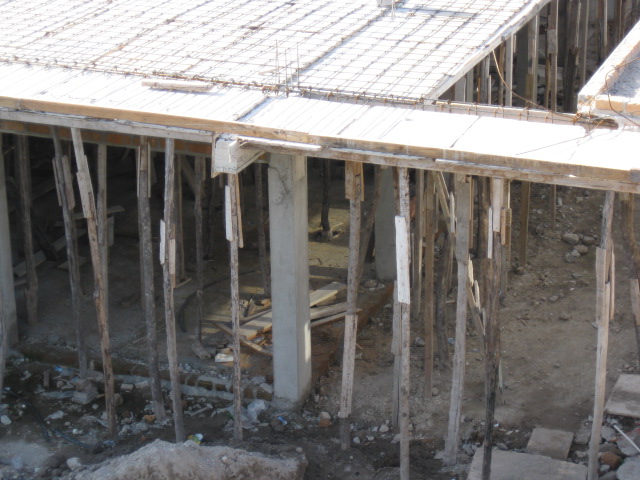
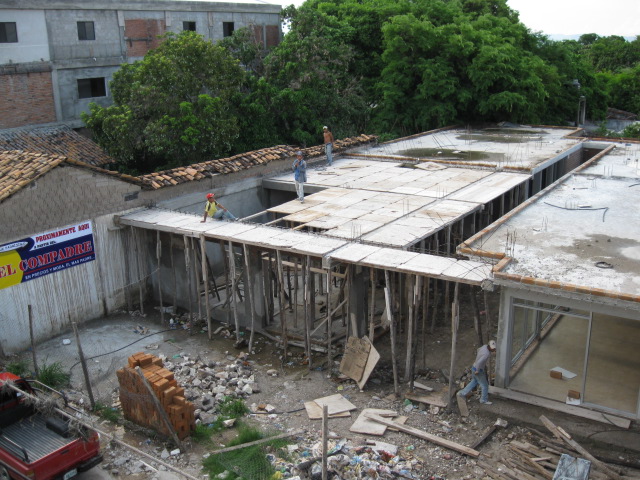
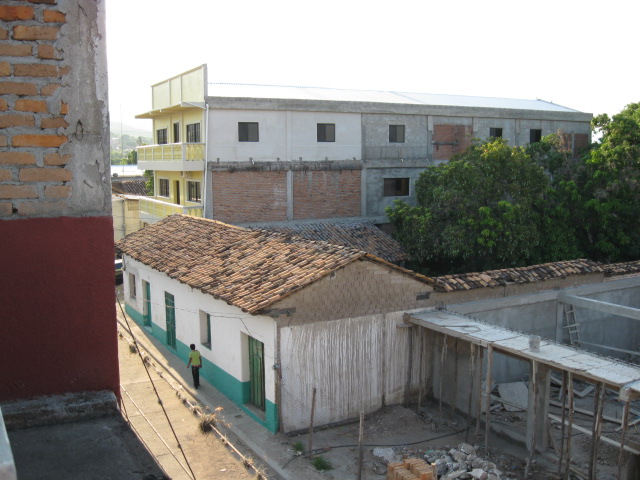
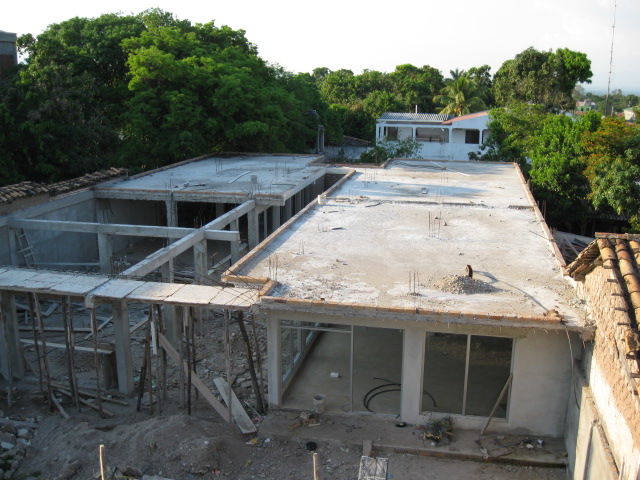
An old decrepit wooden building somewhat like a small horse stable occupied the site. Around the first of the year I watched as workmen began tearing down the eyesore to begin the reconstruction. Blue-collar workers in this country do not often have access to the expensive machinery so prevalent on U.S. building projects. But they are hard workers and use effective simple methods to achieve their goals. Over the course of the year I have watched them arrive every day, six days a week, and work in the hot sun and in the rain as the new business began to take shape. They transformed what was once a shabby niche into a modern commercial center selling new clothing, footware, luggage, kitchen and home appliances and much more. And it’s all right across the narrow pre-motor-vehicle road from where I live. The grand opening was this past weekend with blaring music and crowds filling the street. Of course I failed to take any pics of the festivities. But I feel I have a good reason for my absentmindedness. We Honduras Peace Corps folk received a new transfer from Guatemala who extended for another year and she has been shadowing me since Friday as I show her around the city. She will be assigned to Marcala, another beautiful mountain city about an hour-and-a-half from La Paz.
Siguatepeque
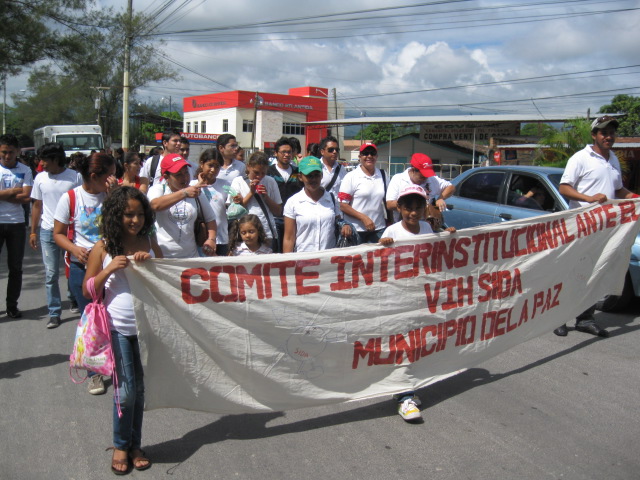
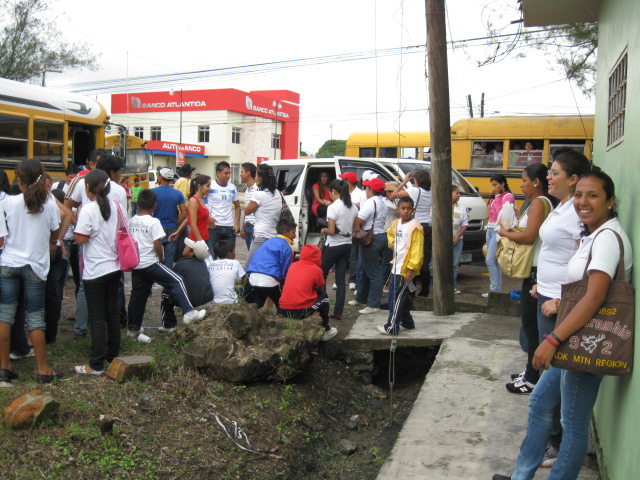
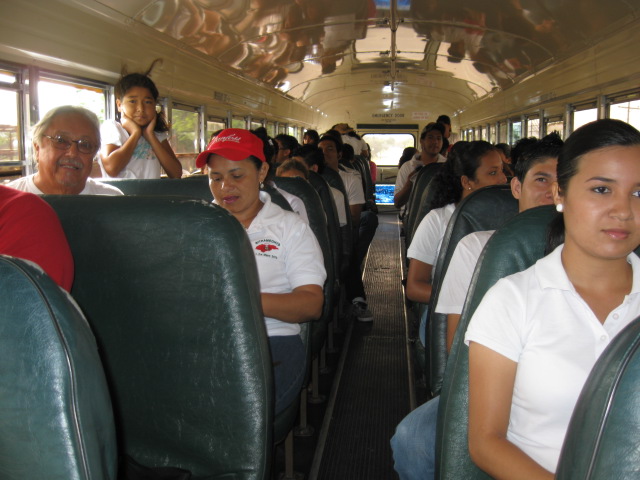
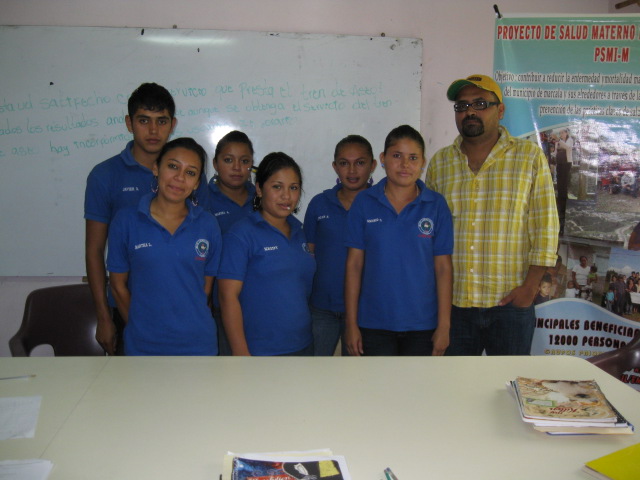
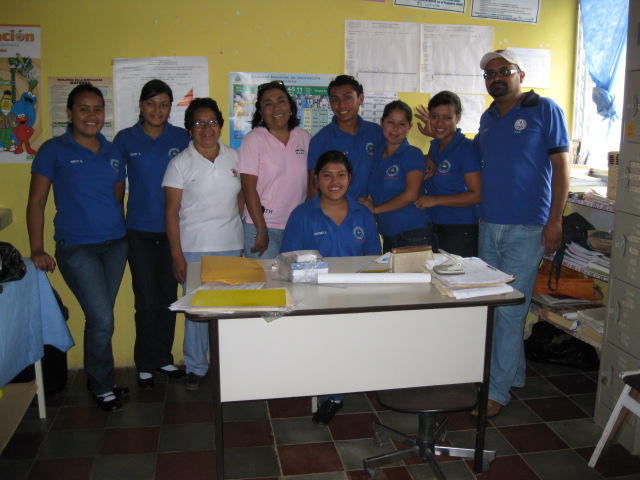
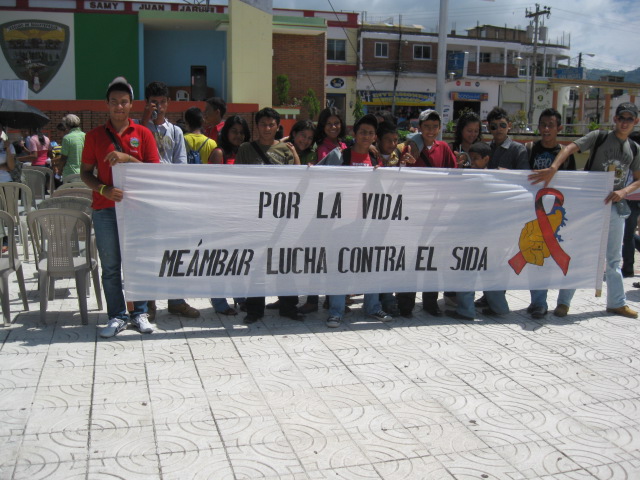
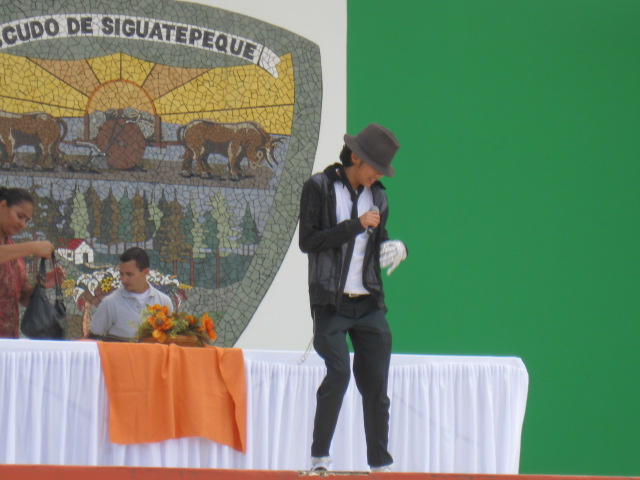
Last Friday morning my three colleagues, two nurses and a social worker and I loaded onto a bus to join 50 La Paz supporters for a trip to the beautiful mountain city of Sigua (Siguatepeque) about an hour-and-a-half away where we became part of a group of hundreds of additional participants who had also traveled there from several communities from the departamentos of La Paz and Comayagua where we joined together for a common cause. Our respective Comites Interinstitutional Ante VIH/SIDA marched into downtown to the central park to hold our rally meant to focus attention on the scourge of HIV/AIDS that is ravaging populations worldwide and that was broadcast on local television to an even wider audience. We are planning intense outreach educational forums to many smaller communities every month and will climax our efforts with a widespread national campaign on December 1st, the worldwide National HIV/AIDS Awareness Day. Yes, that’s Michael Jackson above who decided to join the entertainment portion of the day.
Dancing In The Park
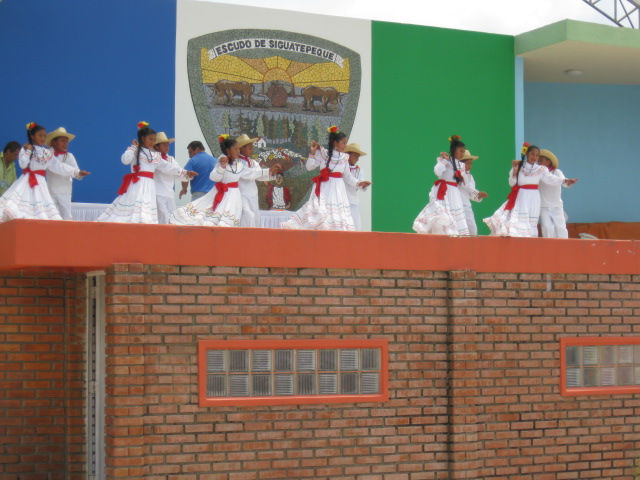
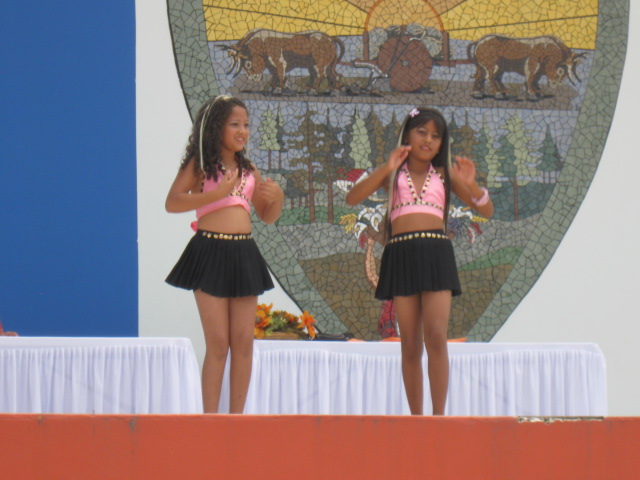
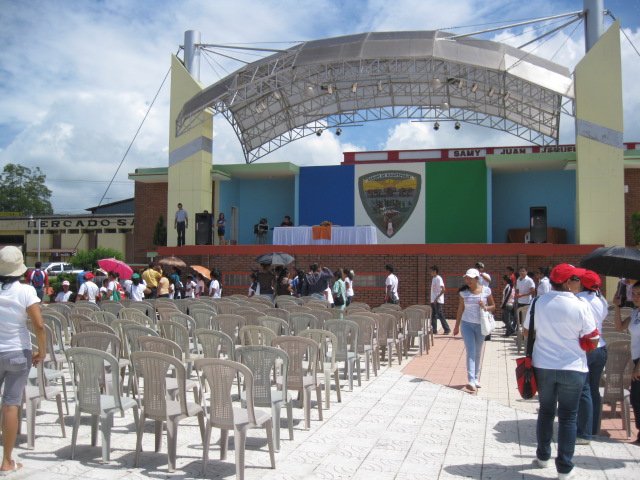
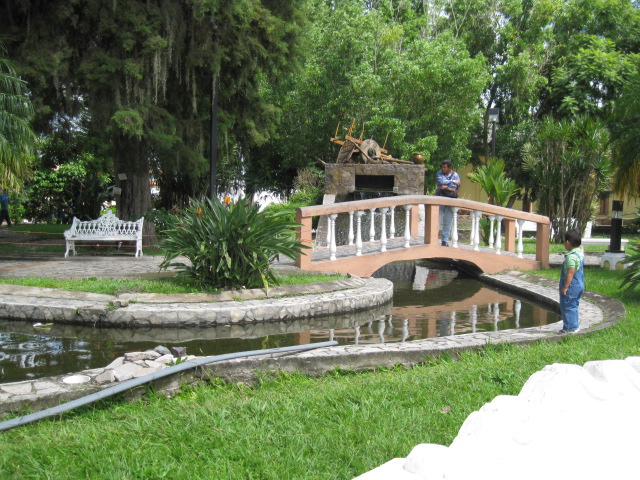
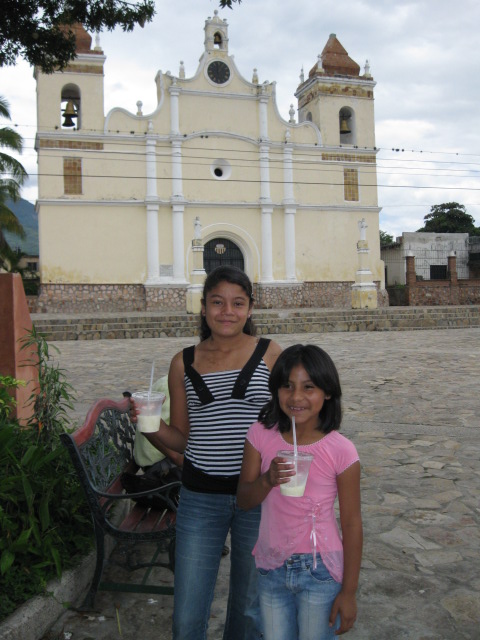
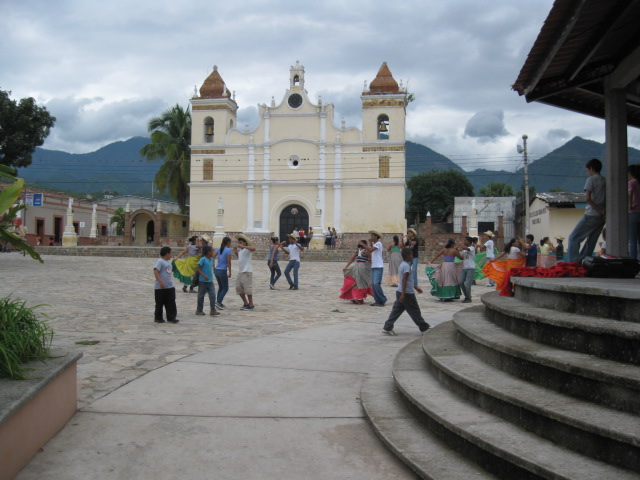
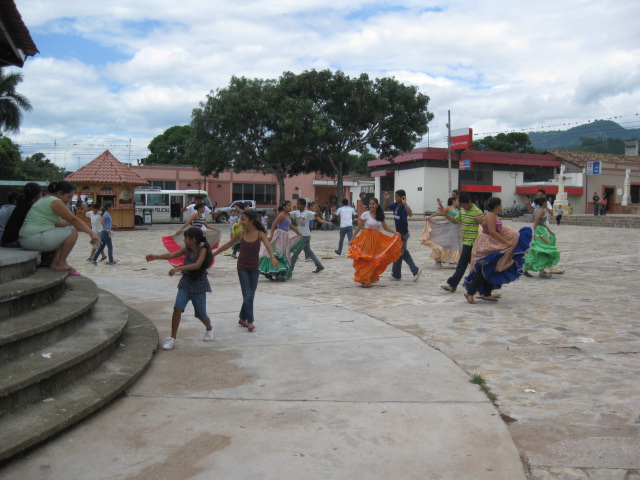
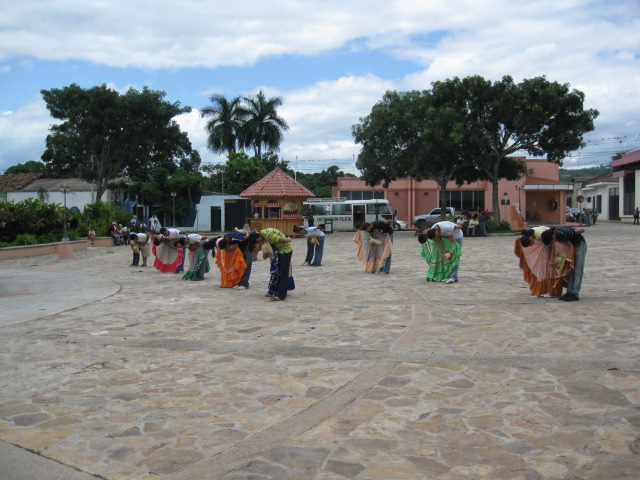
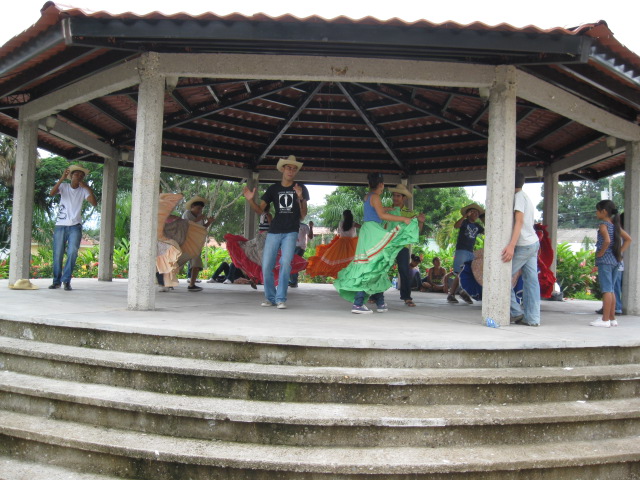
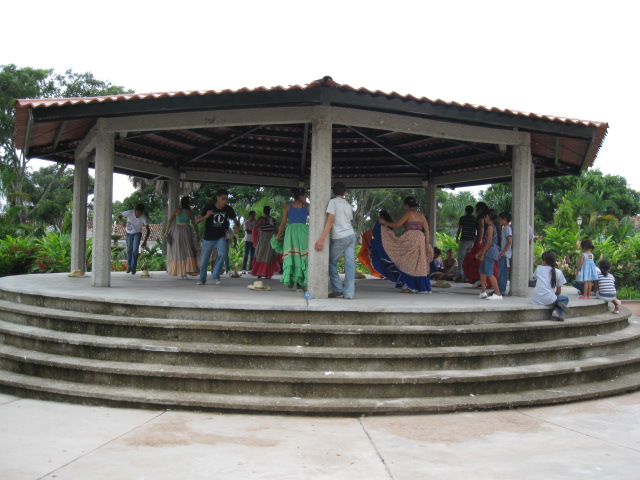
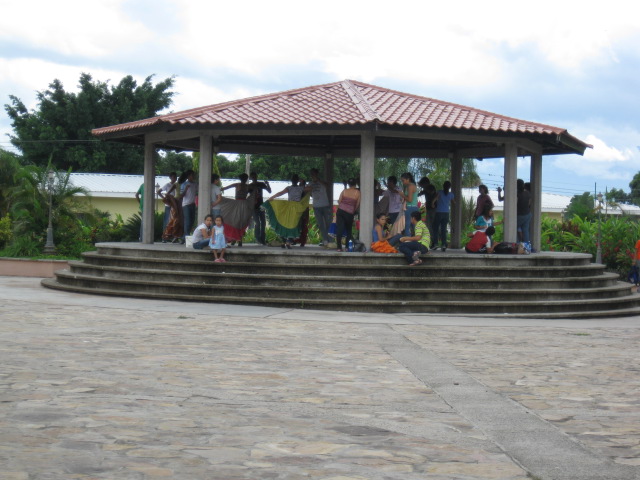
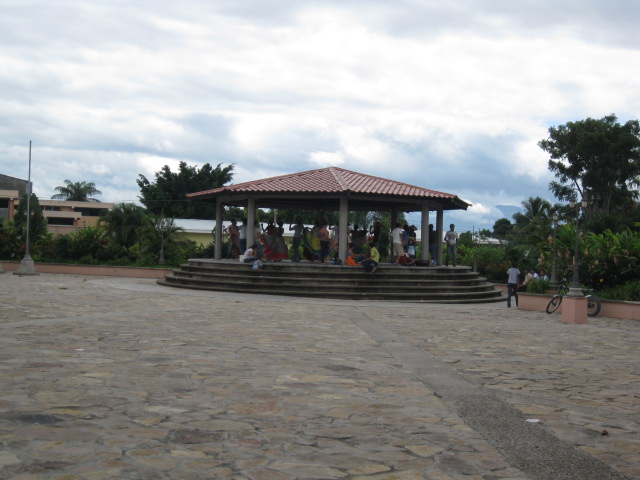
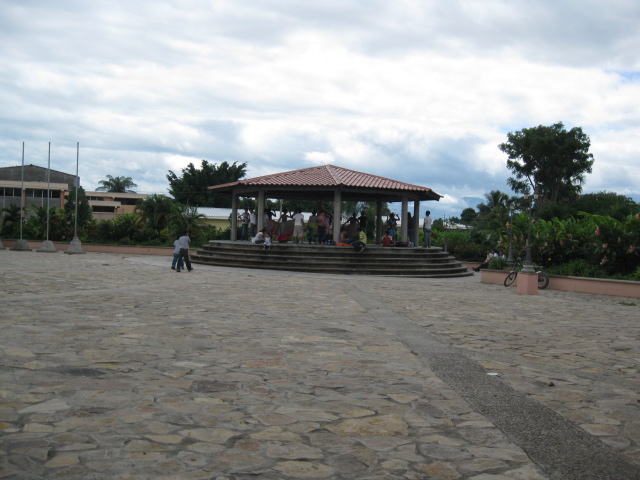
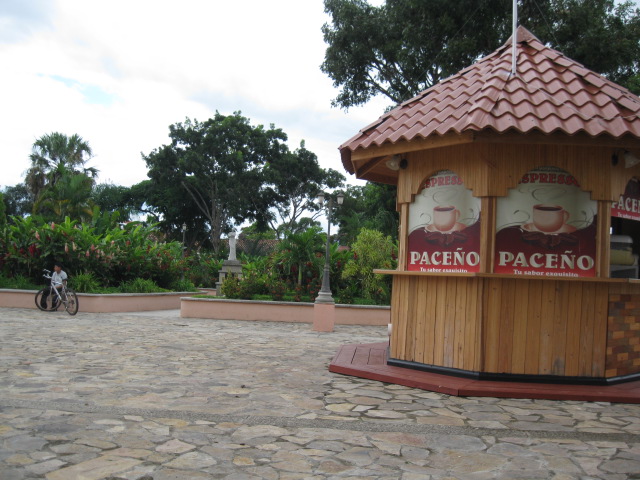
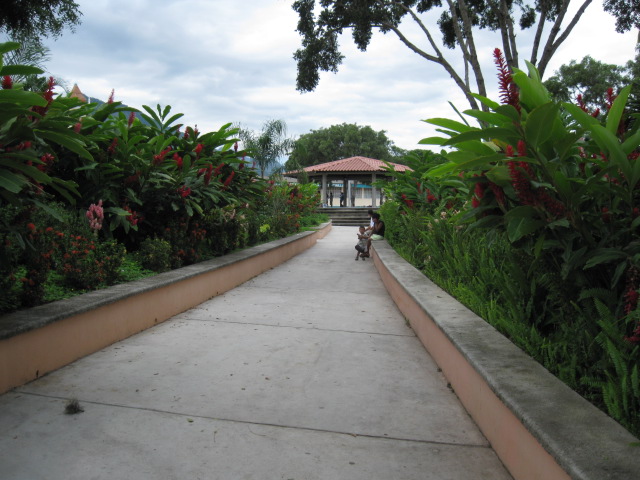
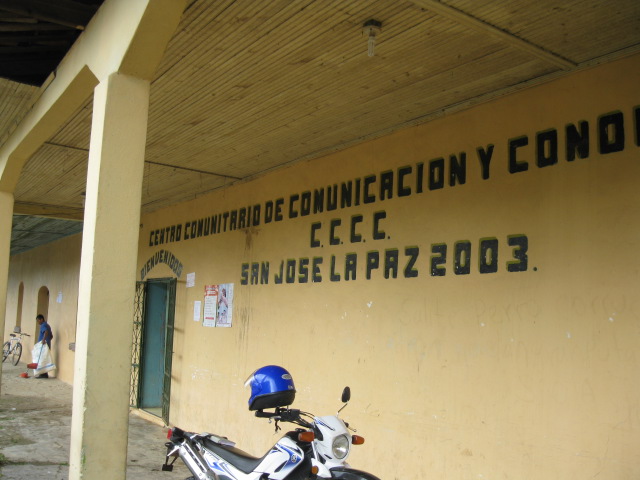
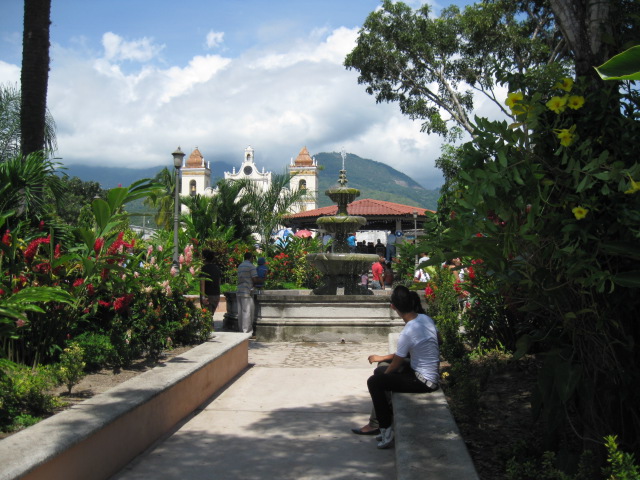
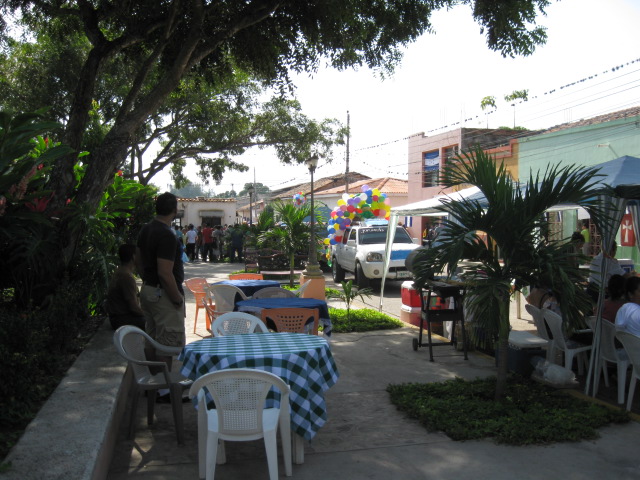
Designed by a Peace Corps Volunteer in 2006, our city park has become a center of social activity for La Paz. On weekends the local school kids practice traditional dances. After our English class, two of my students and I walked across the street to the park to watch the action. The Parque Central is flanked by the alcaldia (city hall), the church and the Casa de Cultura, the city museum that chronicles the community’s early days from its founding in 1821 with old photographs and artifacts. In November is the city’s annual feria that lasts for the whole month. A carnival sets up on the edge of town and booths of every type crowd the central square. The height of the feria is crowned by a formal cotillion ball with handsome, young military cadets in full-dress uniforms and their beautiful, evening-gowned partners dancing the minuet to the music of a string orchestra. Afterwards fireworks fill the sky directly over the heads of the huge crowd and four faux bulls enter the densely packed throng from different directions with lit firework horns and with lowered heads they rush through delighted revelers scattering folk every which way.
Go Tell It On The Mountain
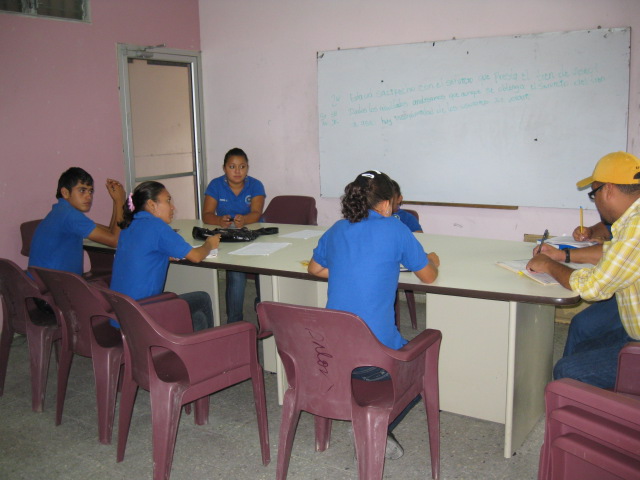
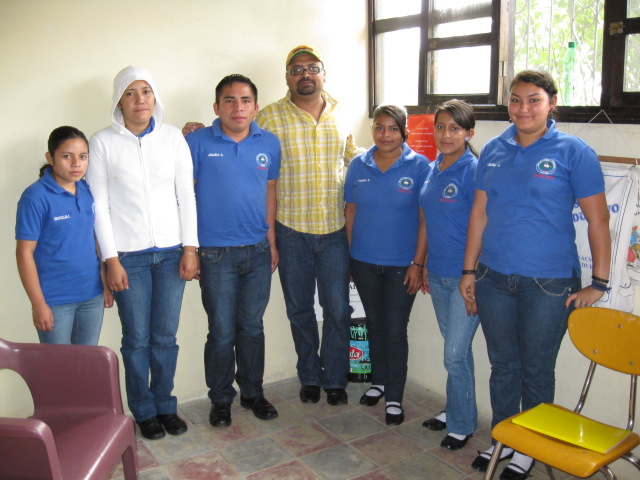
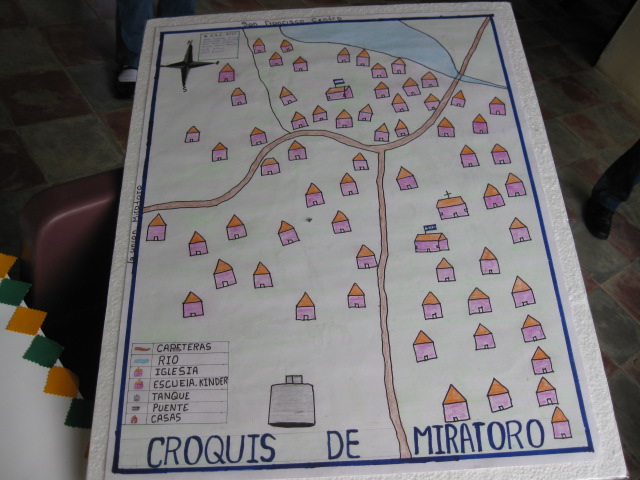
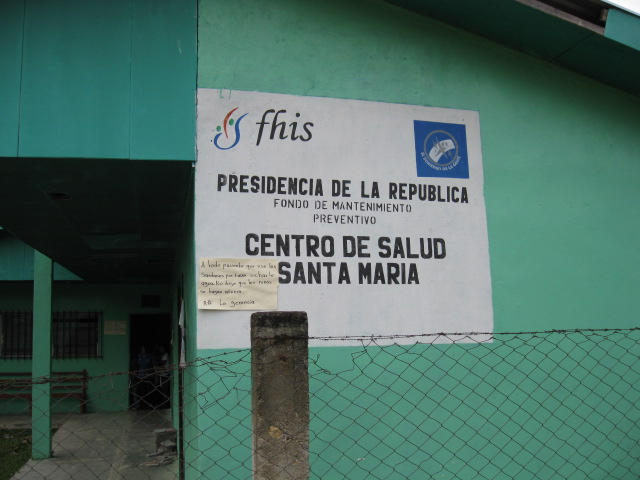
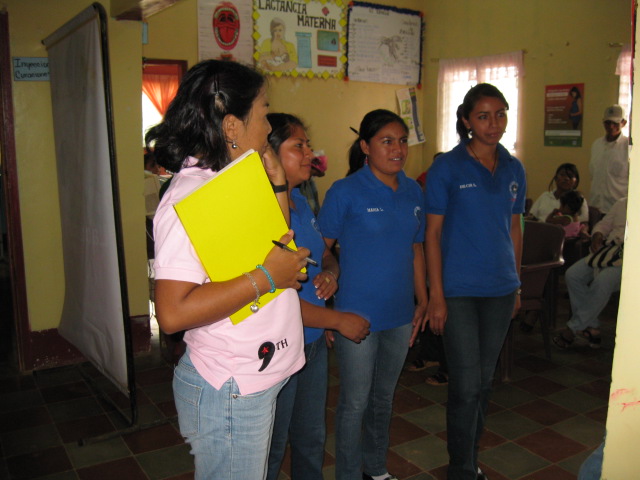
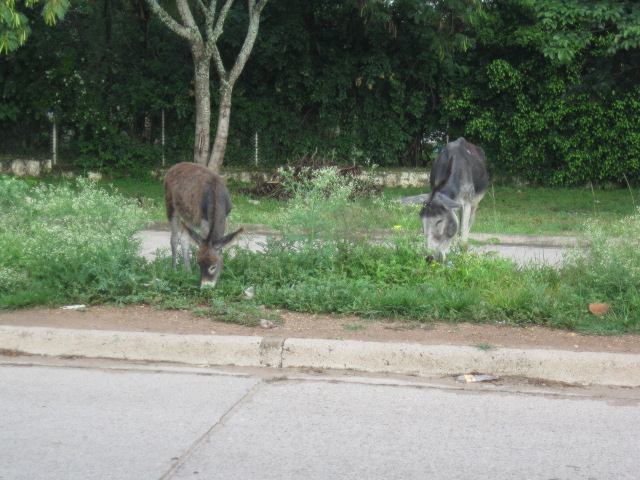
I hate getting up at 5 A.M. But there I went, past the two donkeys munching in the middle of the boulevard as I made my way to the Instituto Lorenzo Cervantes for supervisory visits into the surrounding mountains. Lorenzo, as it’s commonly called, is the local public secondary school and has four Bachillerato programs: Computer Information, Science, Business and Community Health. I work in the Health program with my counterpart Licenciada A, who is both a teacher in the program and a supervising nurse at the hospital and with Dr. B who heads the program and is a physician at the hospital. Over two days we visited the municipios of San Jose, Planes, Tutule, Santa Maria and Marcala where the 3rd year Health students are required to live for three months and work in the Community Health Clinics learning how the clinics function, giving health classes, as well as planning and developing a community health project that will benefit the populace. Next Monday we visit San Juan for our final supervisory visit for August and will return in September and October to see how the students complied with our suggestions to improve their written documentation and planning. I love this job.
So Many Needs
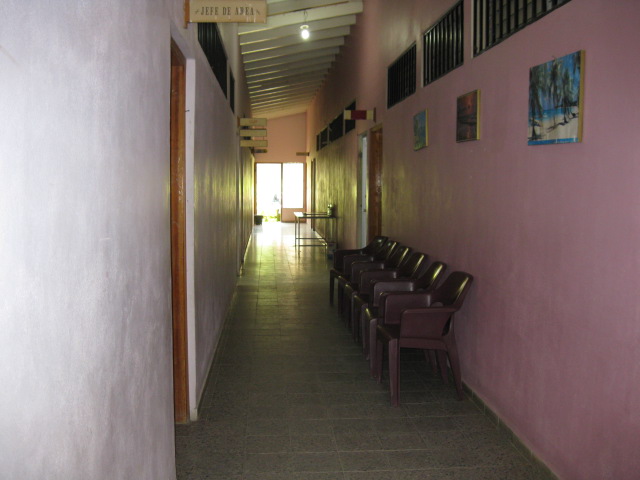
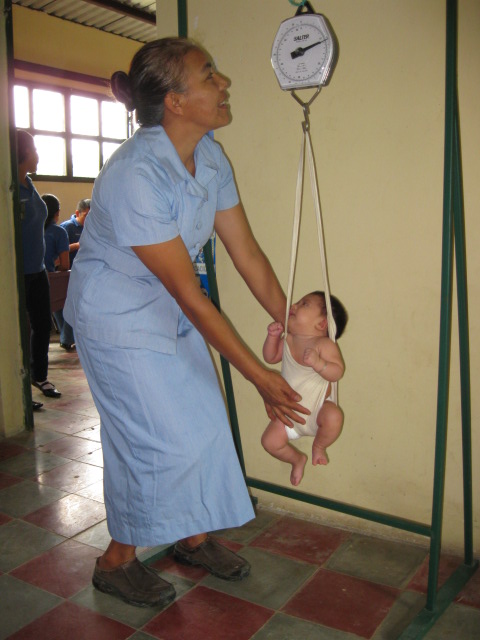
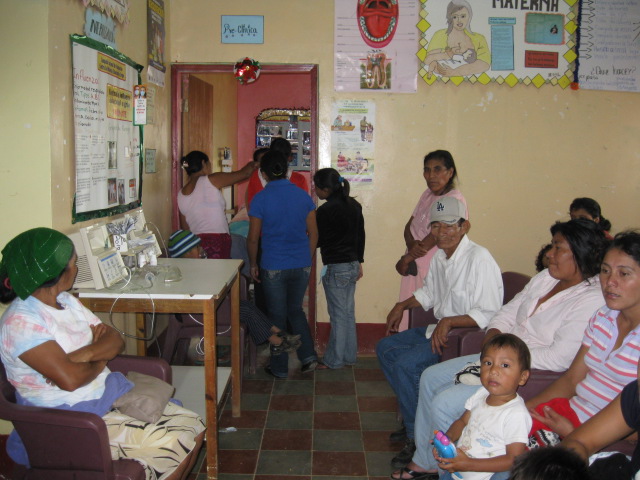
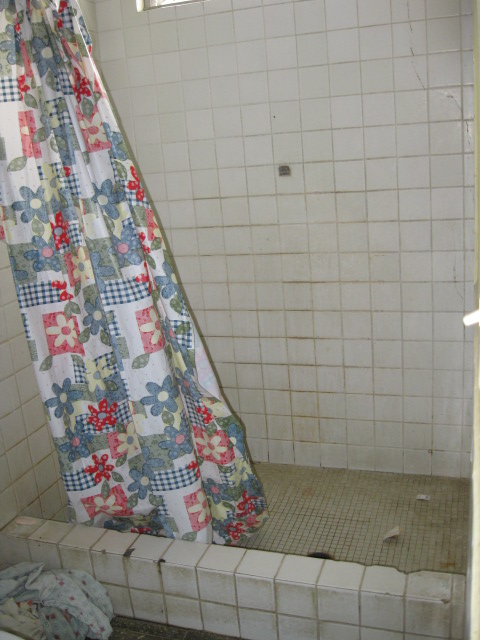
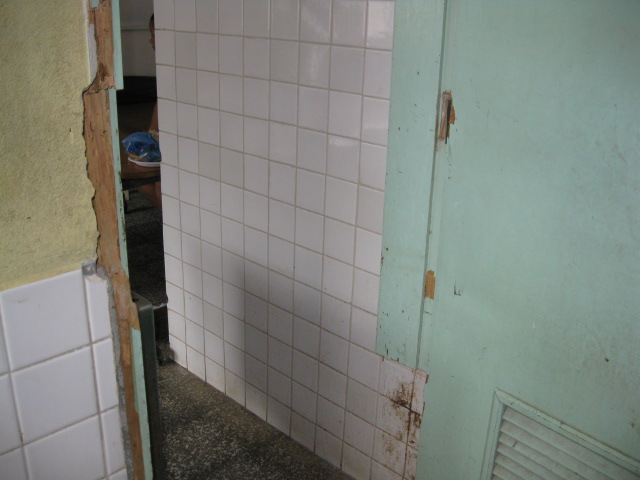
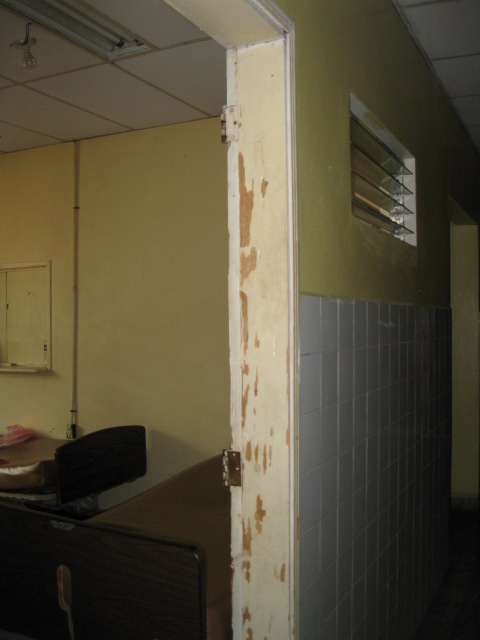
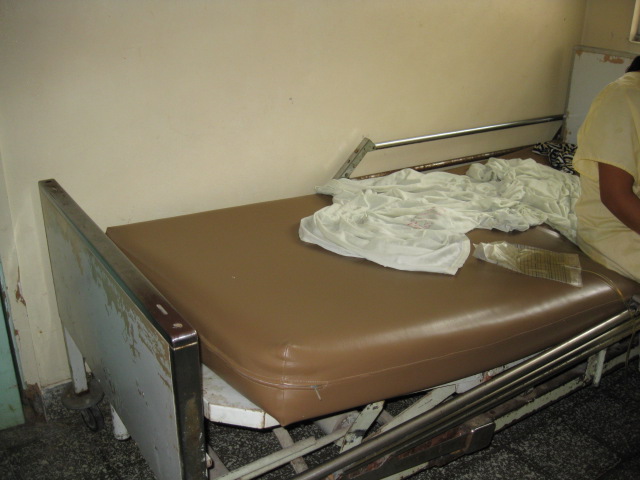
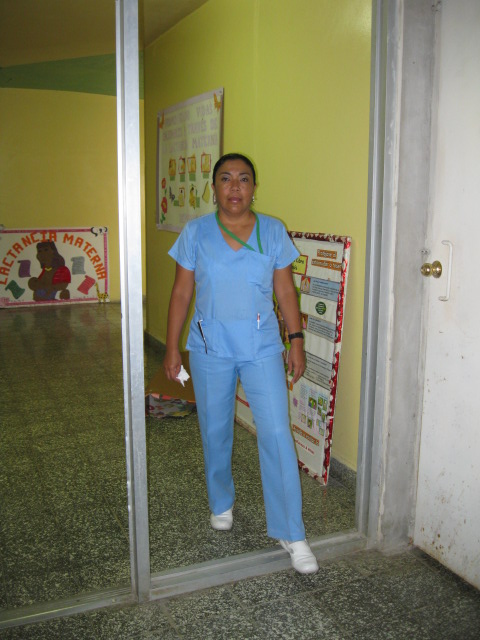
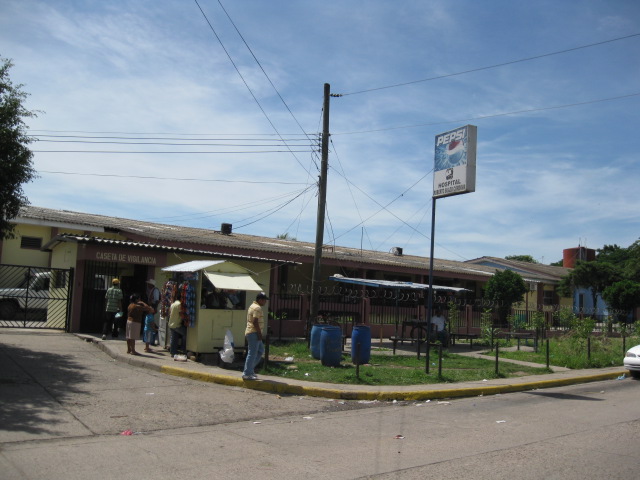
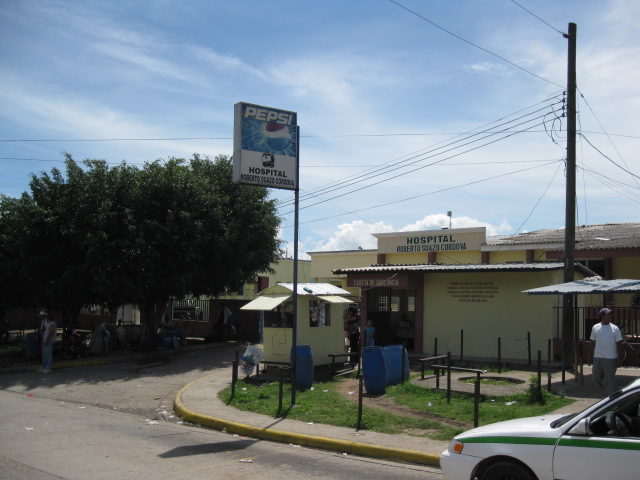
I cry when I see the state of the hospital that serves the community where I live. The Dr. Roberto Suazo Cordoba Hospital in La Paz was built during the presidency of Dr. Suazo Cordoba, a native of the city, in the 1980s. The hospital is located at the “El Soldado” round-about, the city’s busiest intersection and entryway to the mercado at the right of the picture on the bottom right where thousands of citizens of the outlying aldeas come on weekends to shop and be seen. At the hospital is where most of the departamento’s babies are born. The pictures are of the maternity ward. I work with the Hogar Materno Grupo de Apoyo (support group), a group of cititizens and hospital employees who raise money to improve the quality of life for the hospital’s patients. The Hogar Materno is a separate building where the aldeas’ poor pregnant mothers come down from the mountains to stay before they are ready to deliver, often staying there several days: the conditions there are even worse than in the pictures. My present projects at the hospital are to help install a potable water system at the Hogar Materno similar to the one installed by ADEC (Agua Desarroyo para la Comunidad) at the Hogar San Jose for the orphan children, and to write an SPA grant (Small Project Assistance) to renovate the hospital’s maternity unit. There is so much to do….
Vacation Pics – Lost
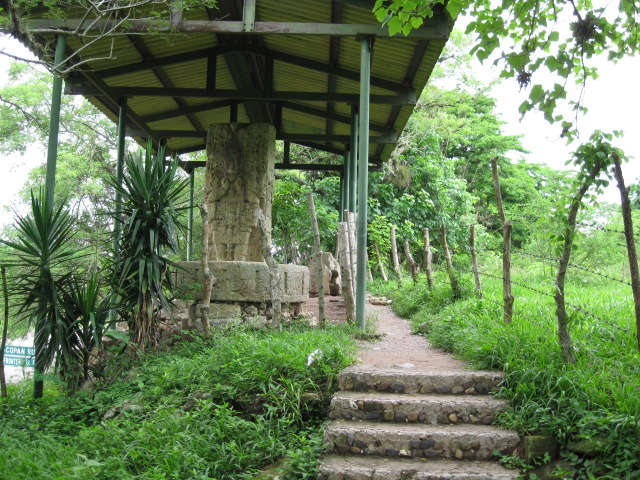
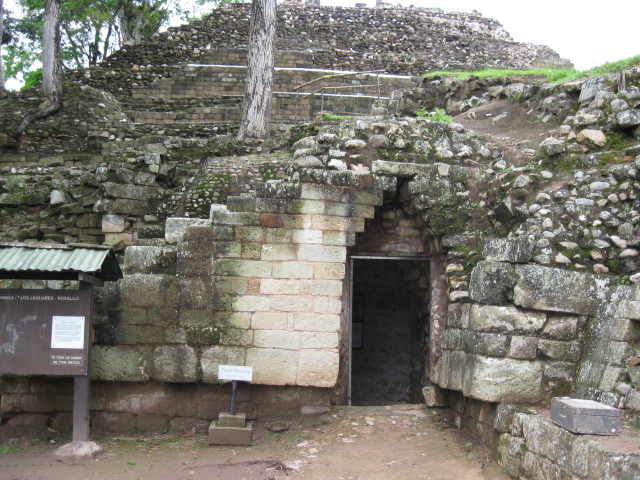
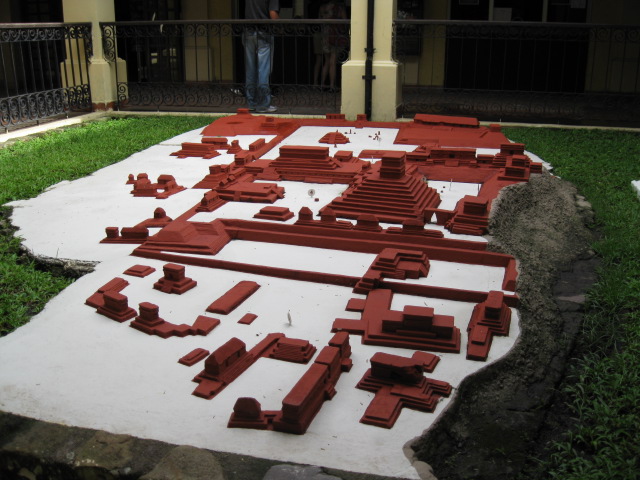
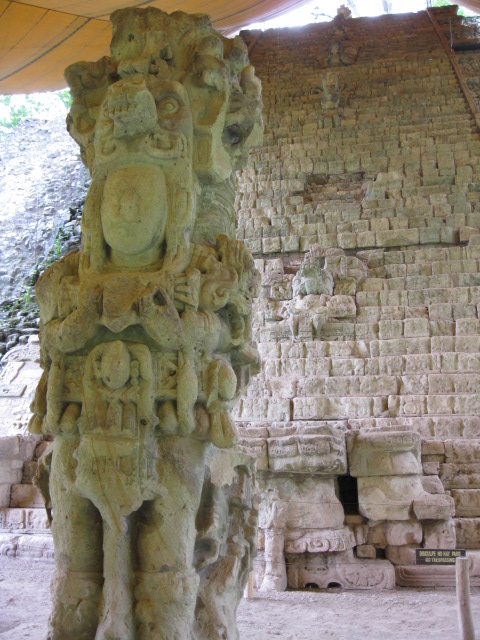
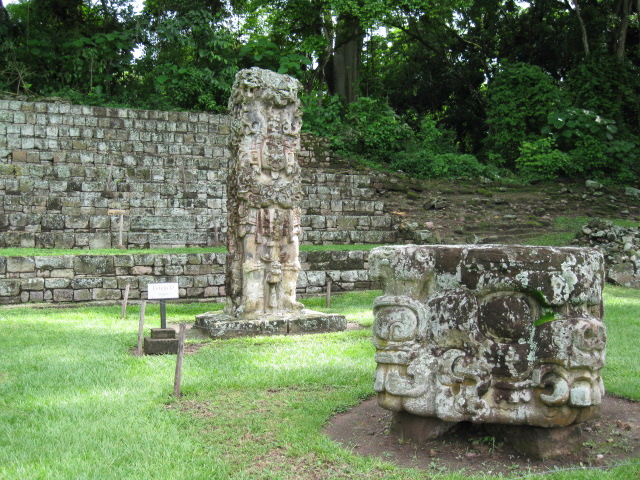
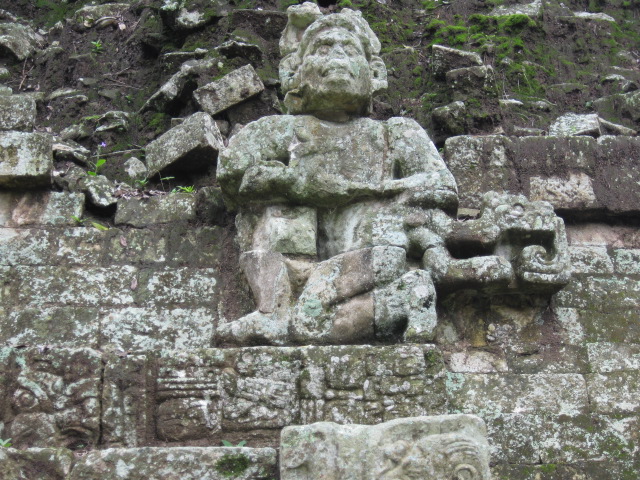
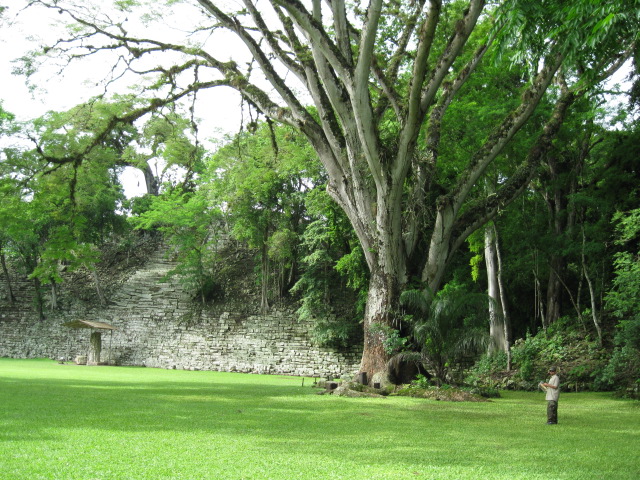
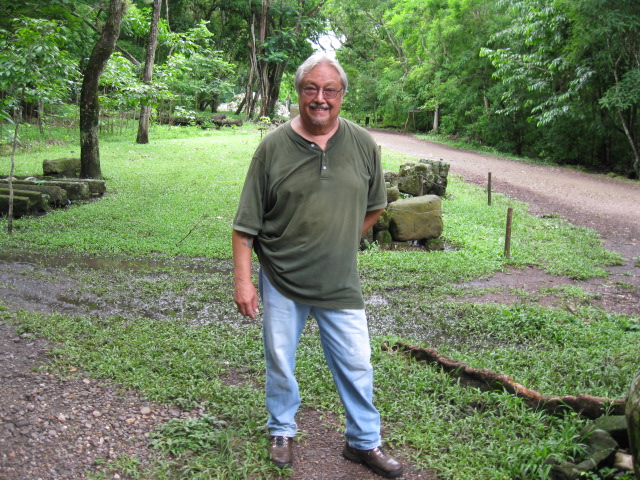
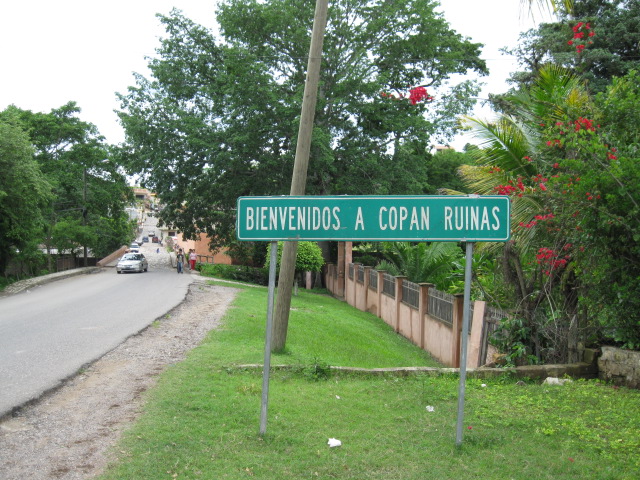
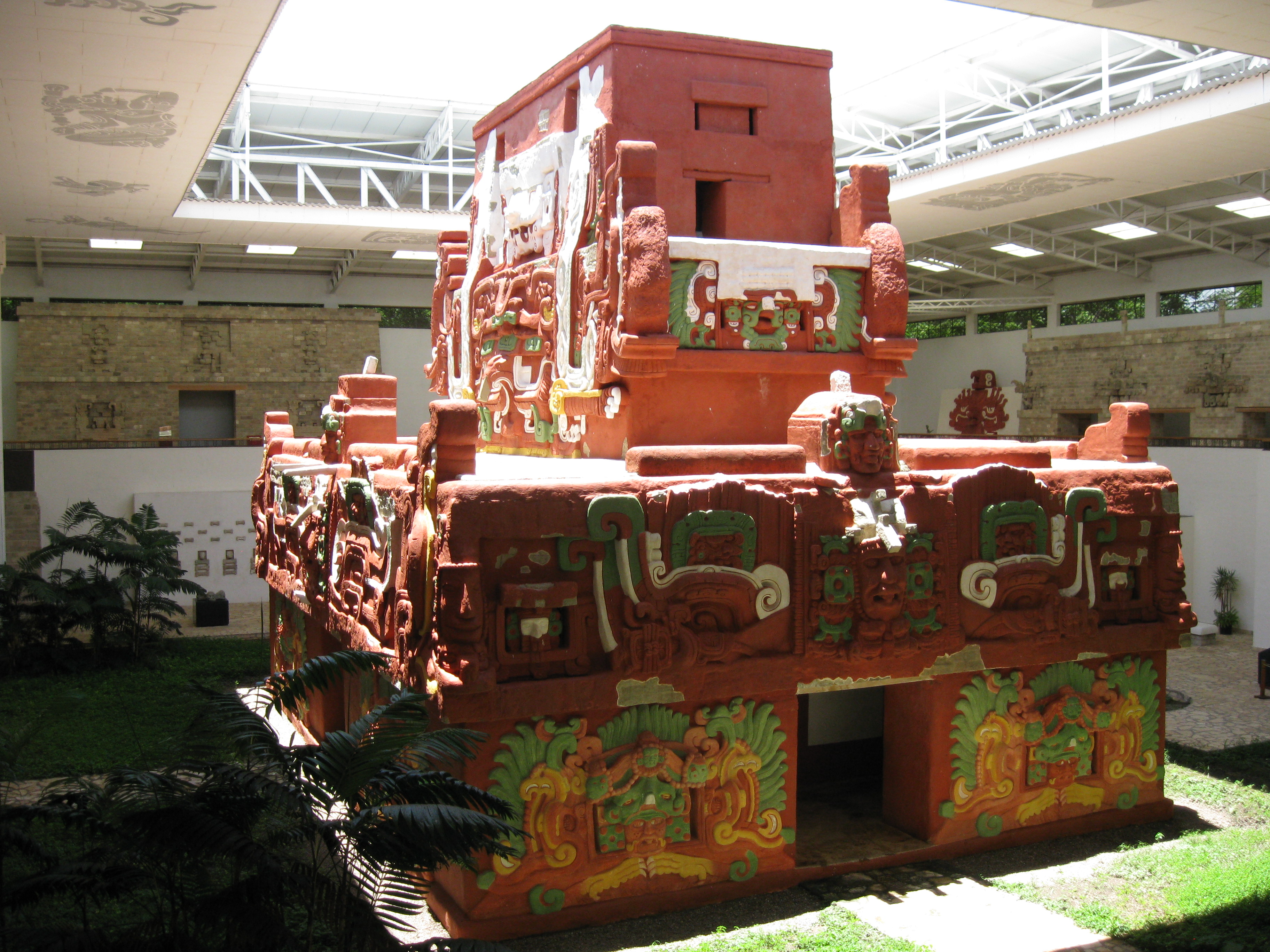
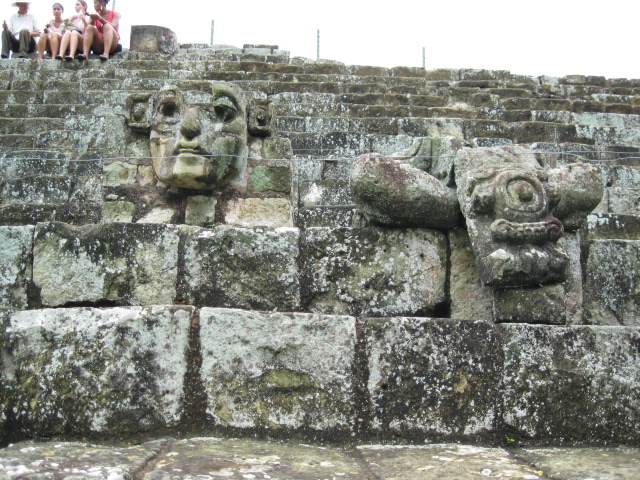
I could kick myself in the butt. Sometime during my five days at the Copan Ruins I inadvertently changed the setting on my camera from the small pixel size that allows me to post photos onto my blog to the larger size that doesn’t unless I resize them, which takes a long time, especially when there are hundreds of pics. Included here are the few I did take of the Copan Ruins in the smaller postable size. My pics of Cancun, Merida, Yucatan and Guatemala will have to wait. The Copan Ruins are quite large. The very top left pic shows the paved path one can walk to reach the ruins from the town named Copan Ruinas, the area once a suburban living area of the ancient central ruling center where the largest pyramids and stone buildings housed the government and its bureaucracy. The top two left pics next to the sendero (path) show how as the centuries passed the pyramids were built larger by successive dynasties, on top of existing structures. The door of the second top left pic leads to the building seen in the cutout, a huge ceremonial center called the Rosalillo, discovered intact with much of its original color. The stellae and works of art positioned throughout the Copan Ruins made me imagine myself walking amongst the teeming population living here when the highly advanced civilization that occupied the Copan Valley nestled among forested mountainous peaks was at its zenith over a thousand years ago, one of many similar Mayan cities across Maya territory. I have returned to my duties in La Paz and expect to be posting more pics in the smaller pixel size soon.
Home
No matter how humble, there is no place like home. Copan Ruinas, Honduras; Guatemala; the beaches of Cancun on the Caribbean; the beaches of Merida, Yucatan on the Gulf of Mexico; the thousand-year-old stupendous stone buildings and pyramids my ancestors constructed to build their many magnificent cities; and all the colorful, intricate artisanry redolent of ancient culture created by beautiful people, my people, resurrected in me a pride that I realized anchors my presence to those first ancestors who rose from the middle American jungles over 3,000 years ago to build a far-flung, highly stratified civilization. I am already planning another journey next spring to visit the ancient Mayan sites of Tikal and Palenque, this one to be entirely overland without a daily itinerary to hinder my movements. I discovered on my recent travels that the freedom allowed to me by choosing my bus rides whenever lets me linger, wherever. And at the end of the road, I come home to La Paz, Honduras. I will post a few pictures after I wind down, for I am expecting a contingent of PCVs from the La Paz area to gather on my rooftop tomorrow for a Fourth of July barbeque.